
Our Blog
Check out our innovative pump solutions and industry insights to see what's new in the pumping industry. Stay up to date with the latest trends and news in the world of pumping technology by following our pumping technology blog.
- Home
- Blog
Top 10 Inline Water Pumps for Global Buyers
Inline pumps sit directly in the pipework, where a compact casing must deliver steady flow without wasting energy. For global buyers, the right choice depends on more than connection size. Duty point, fluid temperature, pressure, materials, noise, service access, and local power supply all matter. A pump that looks suitable on a catalog page may perform poorly in a real system.
The U.S. Department of Energy’s Improving Pumping System Performance sourcebook reports that pumping systems use nearly 20% of the world’s electrical energy. That figure covers pumping systems broadly, not inline pumps alone. Still, it puts efficiency in perspective. Small differences in operating hours and pump matching can matter over years of service. Pump specialist Heinz P. Bloch’s work supports a useful selection principle: “Choose for the system’s real duty point, not just the catalog headline.” This is an editorial paraphrase, not a verbatim quotation.
This Top 10 Inline Water Pumps for Global Buyers guide compares practical options across common applications, from building circulation to light commercial water transfer. Expect clear checks on flow, head, construction, controls, and maintenance—not just polished claims. Some models may suit a narrow duty range. That is worth admitting. Verify performance curves, certifications, and service support with the supplier before purchase; product specifications and availability can vary by market.
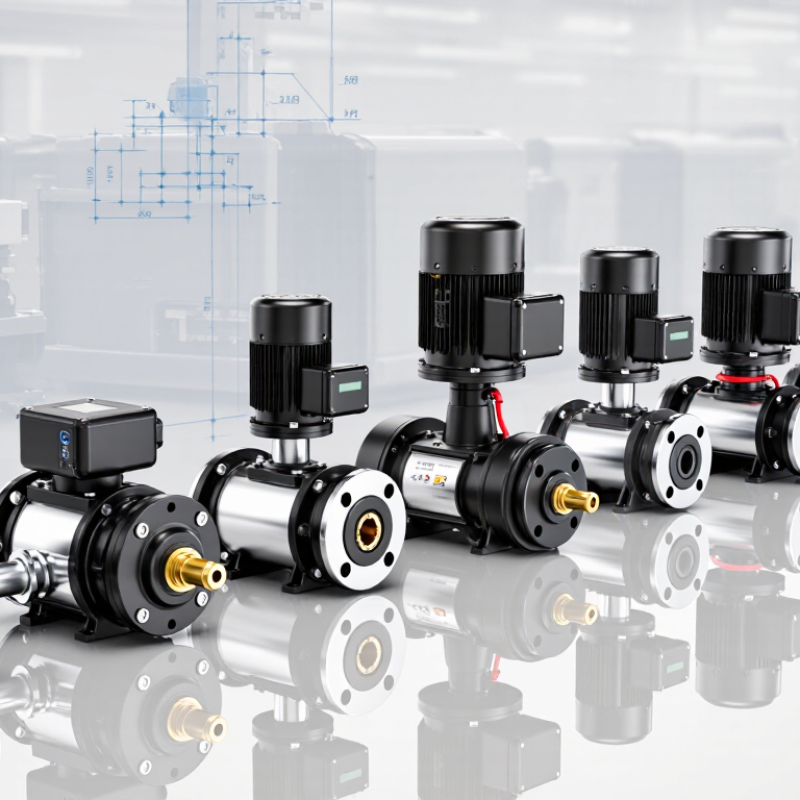
What Inline Water Pumps Are and How They Work
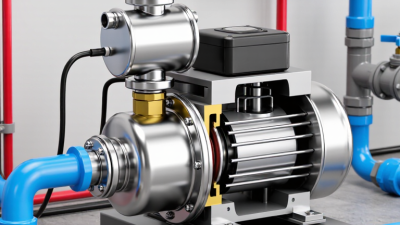
Inline water pumps sit directly within a pipeline, with inlet and outlet connections arranged along the flow route. In a common centrifugal design, water enters the impeller’s center, or eye. Rotating blades push it outward, increasing its velocity. The casing then helps convert that motion into pressure. Simple in principle.
A motor turns the impeller through a shaft, while seals limit leakage and bearings support rotation. Because the pump fits into the pipework, it can reduce the footprint of a separate base-mounted arrangement. But installation still matters: trapped air, poor alignment, or an undersized pipe can reduce flow and increase noise. A compact unit is not automatically an efficient one.
The U.S. Department of Energy’s Improving Pumping System Performance sourcebook estimates that pumping systems account for nearly 20% of global electrical energy demand. That broad estimate covers many applications, not inline pumps alone. It shows why matching pump capacity to actual system resistance matters. Oversizing can waste energy, especially where valves continually throttle flow. Buyers should compare the pump curve with required flow and head, then check fluid temperature, materials, and maintenance access. Real site conditions can be messier than a catalog diagram.
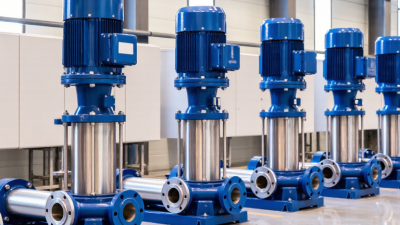
Main Types, Components, and Performance Features
Inline water pumps are not one design. Single-stage centrifugal units suit steady, moderate head; multistage models build pressure through stacked impellers. Vertical inline layouts save floor space, while variable-speed drives adjust flow as demand changes. Fit matters.
A pump moves water through an impeller, casing, shaft, bearings, and mechanical seal. The casing guides flow; the seal limits leakage, and bearing wear can signal misalignment. Stainless wetted parts may resist corrosion, but material choice must match water chemistry and temperature.
The U.S. Department of Energy’s Improving Pumping System Performance sourcebook reports that pumping systems can use 25–50% of electricity in some industrial facilities. Duty-point matching matters.
Compare rated flow and head with the system curve, not just maximum figures. European Commission water-pump ecodesign rules set a minimum efficiency index of 0.40 for covered pump types. Treat it as a screening reference, not a promise of site performance. A variable-frequency drive cannot fix poor hydraulic selection. Published efficiency reflects controlled testing; real piping adds elbows, fouling, and installation flaws. Check service access, seal replacement, motor protection, and efficiency at normal demand.
How to Evaluate Inline Pumps for Different Applications
An inline pump can save floor space because its inlet and outlet sit in the same pipe run. That convenience does not make every model suitable for every job. Start with the required flow and total dynamic head, including pipe friction, valves, and elevation changes. Compare these needs with the pump curve at the expected operating point, not just the advertised maximum flow. That matters.
The liquid itself narrows the choice. Clean water, glycol mixtures, and water containing fine particles place different demands on seals, impellers, and casing materials. Check the fluid temperature and viscosity against the pump’s operating limits. In a hot-water loop, for example, confirm pressure ratings and the available NPSH to reduce cavitation risk. Check it twice. A pump that sounds right on paper may still struggle if suction conditions are poor.
Installation details shape long-term performance. Measure the pipe diameter, available service clearance, and electrical supply before ordering. Heating systems often need steady circulation across long duty cycles, while a booster application may face changing demand. Consider speed control where flow varies, but verify compatibility with the motor and control equipment. Noise and vibration can reveal misalignment or air in the line. I would also leave room for isolation valves and maintenance; this is easy to overlook when a plant room is crowded. A small mismatch can mean wasted energy or repeated service calls.
Top 10 Inline Water Pump Types for Global Buyers: How to Evaluate Pumps for Different Applications
| No. | Inline Pump Type | Typical Application | Indicative Flow Range | Indicative Head Range | Typical Power Range | Common Wetted Materials | Key Evaluation Points |
|---|---|---|---|---|---|---|---|
| 1 | Wet-Rotor Circulator | Residential and light-commercial hydronic heating, cooling, and circulation loops | 1–20 m³/h | 2–15 m | About 5–500 W | Cast iron, stainless steel, or composite, depending on the fluid and system | Check system resistance, control options, air handling, fluid temperature, and whether the pump is suitable for potable water. |
| 2 | Dry-Rotor In-Line Centrifugal Pump | Commercial HVAC circulation, chilled-water systems, and large building services | 5–300 m³/h | 5–80 m | About 0.75–75 kW | Cast iron or ductile iron; stainless steel options may be available | Compare the duty point with the pump curve, motor efficiency, seal arrangement, installation clearances, and variable-speed compatibility. |
| 3 | Pressure-Boosting In-Line Pump | Building water supply, pressure boosting, and circulation in compact installations | 1–15 m³/h | 10–60 m | About 0.37–7.5 kW | Cast iron or stainless steel; use potable-water-approved materials where required | Assess inlet pressure, demand variation, pressure-control method, noise limits, and local potable-water requirements. |
| 4 | Vertical Multistage In-Line Pump | High-rise building supply, pressure boosting, water treatment, and industrial utilities | 1–80 m³/h | 20–150 m | About 0.75–45 kW | Stainless steel or cast iron, depending on water quality and service conditions | Confirm the required pressure, minimum inlet pressure, number of stages, seal materials, and protection against dry running. |
| 5 | Industrial In-Line Centrifugal Pump | General process-water circulation, cooling circuits, and plant utilities | 5–500 m³/h | 10–100 m | About 1.5–160 kW | Cast iron, ductile iron, stainless steel, or other specified alloys | Check liquid temperature and chemistry, solids content, seal selection, motor enclosure, and maintenance access. |
| 6 | Stainless-Steel Hygienic In-Line Pump | Clean-water services in food, beverage, pharmaceutical, and light-process facilities | 1–100 m³/h | 10–80 m | About 0.75–45 kW | Commonly stainless steel; specific grades and surface finishes vary by duty | Verify material grade, surface finish, cleanability, seal compatibility, and any hygiene or regulatory documentation required. |
| 7 | Hot-Water Circulation Pump | Domestic hot-water recirculation and closed-loop heating systems | 0.5–30 m³/h | 2–30 m | About 10 W–3 kW | Bronze, stainless steel, or temperature-rated cast iron, as appropriate to the water | Check the pump’s maximum permitted liquid temperature, pressure rating, potable-water suitability, and resistance to scaling or corrosion. |
| 8 | Solar-Thermal Circulation Pump | Closed-loop solar thermal systems using water or a water-glycol mixture | 0.2–10 m³/h | 2–20 m | About 5 W–1.5 kW | Temperature- and fluid-compatible metals, seals, and elastomers | Confirm glycol compatibility, operating temperature range, pressure, control signal, and the system’s stagnation and freeze-protection conditions. |
| 9 | Vertical In-Line Fire-Service Pump | Fire-protection water systems where an in-line arrangement is suitable | Defined by the project’s required fire-system flow | Defined by the project’s required fire-system pressure | Selected to meet the approved duty point | Materials and construction specified for the applicable fire-protection design | Do not select from generic ranges: confirm local approvals, required fire-system standards, rated duty point, controller, driver, and acceptance testing. |
| 10 | High-Pressure In-Line Multistage Pump | Reverse-osmosis feed, filtration systems, boiler-feed auxiliaries, and other high-pressure water duties | 0.5–30 m³/h | 30–200 m | About 1.5–55 kW | Often stainless steel; material choice depends on feed-water quality and pressure | Evaluate required inlet conditions, pressure, water chemistry, seal life, motor sizing, and whether the selected pump suits the treatment process. |
Important: Flow, head, and power figures are indicative planning ranges for broad pump categories, not guaranteed specifications or simultaneous operating points. Actual performance depends on the pump design, speed, fluid properties, and system curve. Select from manufacturer performance curves and verify applicable electrical, pressure, potable-water, and safety requirements for the destination market.
Top 10 Inline Water Pumps for Global Buyers
Choosing from the Top 10 inline water pumps for global buyers starts with the job, not the ranking. Match the pump’s flow rate and head to your system’s actual demand. A pump that looks powerful on paper may perform poorly if pipe length, bends, or elevation are overlooked. Check fluid temperature, wetted materials, connection size, and whether the pump can handle the expected operating hours. Small mismatches matter.
Tips: Measure the pipe connections before ordering. Record your supply voltage and frequency, then confirm compatibility with the supplier. Ask for a performance curve at your required flow and head, not just a maximum rating. Keep a little margin, but avoid oversizing without a reason.
Compare the top options by energy use, noise, installation space, warranty terms, and access to replacement parts. For cross-border purchases, confirm packaging, documentation, and service support for your destination. Requirements can vary, so verify any applicable local specifications independently. A detail that is easy to miss is maintenance clearance: leave room to inspect seals and electrical connections. I would not choose on price alone; however, a higher price does not guarantee a better fit. Check the operating conditions carefully, and note any assumptions that remain uncertain.
Top 10 Inline Water Pumps for Global Buyers
A practical buying consideration: the nominal mains frequency in selected markets.
Inline pump motors are designed for specific electrical supplies. Check the local voltage, phase, and frequency requirements before purchasing; Japan is omitted because its mains frequency differs between regions.
Installation, Standards, and Maintenance Considerations
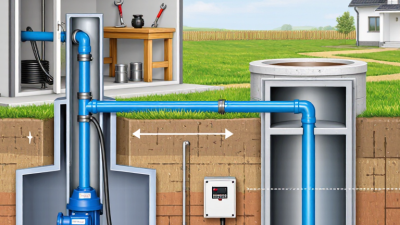
An inline water pump should match the system’s flow, pressure, fluid temperature, and pipe size. Before installation, check the pump’s flow direction arrow and leave enough clearance to remove the motor or service fittings. Support nearby pipework independently; heavy pipes can strain the casing and cause leaks. Small details matter. A shutoff valve on each side and an accessible strainer can make later servicing much easier.
Standards vary by destination and application. Confirm local plumbing and electrical requirements, pressure ratings, grounding rules, and any approvals for contact with drinking water. IEC-based electrical documentation may help buyers compare equipment, but it does not replace local code checks. A qualified installer should verify wiring, protection devices, and the supply voltage before startup. A tidy drawing can still miss a site constraint, such as a low ceiling or a drain placed on the wrong side.
After filling the line, vent trapped air and inspect joints for seepage. Run the pump briefly, then check for unusual vibration, noise, or a hot motor housing. Record operating pressure and current as a useful baseline. During routine checks, clean the strainer and look for seal leaks or loose fasteners. Maintenance intervals depend on water quality and duty cycle; copying another site’s schedule may not work.