
loading

Our Blog

Check out our innovative pump solutions and industry insights to see what's new in the pumping industry. Stay up to date with the latest trends and news in the world of pumping technology by following our pumping technology blog.

How to Choose the Right Submersible Sump Pump

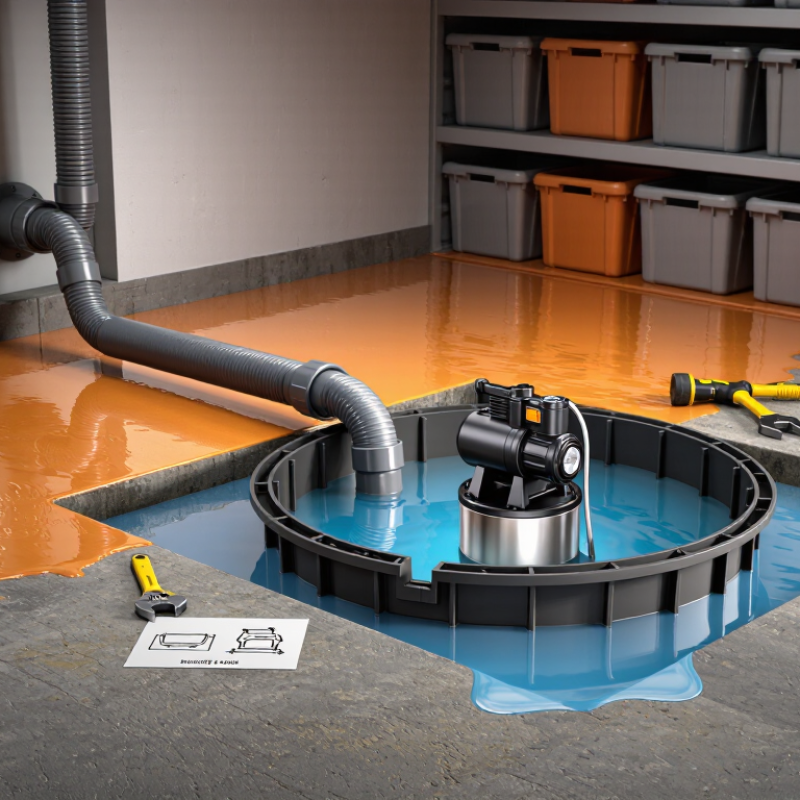
A wet basement rarely gives much warning. Water gathers around storage boxes, creeps across the floor, and turns a quiet pump into an urgent concern. Choosing the right submersible sump pump can help protect a home, but the largest model is not automatically the best choice. Capacity, lift height, basin size, and expected water flow all affect performance. Small details matter.

Start by checking how high the pump must push water and how quickly water enters the sump basin during heavy rain. Compare flow ratings at the required lift, not only the maximum gallons-per-hour figure on the packaging. A pump’s actual output can fall as discharge height increases. That difference matters. Consider the discharge pipe size, switch design, construction materials, and whether the basin may contain grit or debris. Also check the manufacturer’s instructions for installation and maintenance. A float switch needs room to move freely, and a blocked intake can reduce pumping or cause failure.

This guide explains how to match pump capacity to site conditions, compare common features, and spot practical trade-offs. A battery backup may help during an outage, though it needs regular testing and a charged battery. Even careful estimates can miss a sudden change in groundwater or rainfall. That deserves attention. Measure what you can, review the pump’s performance chart, and seek qualified advice when the drainage setup is unclear. The right choice is the one suited to the actual basement—not just the most impressive number on a box.
How to Choose the Right Submersible Sump Pump

Assess Your Sump Pit and Water-Removal Needs

Begin with the sump pit, not the pump’s package rating. Measure its inside diameter, usable depth, and the water level where the float starts and stops. Check for sediment, a stuck float, or an inlet partly blocked by debris. These can change how much water the pit holds and how often the pump runs. For a rough reference, an 18-inch-wide pit with a 12-inch water-level drawdown holds about 159 gallons. Actual volume may differ.

Watch the pit during heavy rain and note how quickly water returns after a normal pump cycle. Do not deliberately let it flood. Also measure the vertical lift to the discharge point and consider bends or long pipe runs; these add resistance and reduce flow. Choose a pump based on its delivered capacity at that operating head, not its advertised maximum alone.

Small details matter.

The Insurance Information Institute’s 2018–2022 homeowners loss data reports that water damage and freezing accounted for 23.5% of claims, averaging $12,514 per claim. That figure describes insurance losses, not the capacity a particular home needs. If inflow varies widely or the pit fills unusually fast, have a qualified plumbing professional assess the setup before sizing the pump.

Calculate the Required Pump Capacity and Total Head

Choose a pump by estimating how much water enters the pit during heavy rain, not by relying on the largest number on a box. Measure the pit’s water-level rise over a known period, then convert that volume to gallons per hour. Watch during a storm if it is safe to do so. A dry-weather reading can be misleading.

Next, calculate total head: the vertical distance from the pump’s operating water level to the discharge point, plus resistance from the pipe, elbows, and check valve. A long, narrow pipe or several bends can reduce flow. Use the pump’s performance chart to find its capacity at that calculated head. The zero-head rating is not the useful figure. Small details matter.

Select a model that can handle the estimated inflow at total head, with a modest reserve—often around 20 percent, depending on site conditions. Avoid choosing an oversized pump without checking pit volume and cycling frequency; frequent starts can wear equipment. This estimate is imperfect. Groundwater can rise suddenly, and rainfall patterns vary, so inspect the discharge route and test the float switch after installation. If water keeps entering faster than the pump can remove it, reassess the inflow estimate and pipe layout.

Compare Pump Types, Materials, and Switch Designs

How to Choose the Right Submersible Sump Pump

A submersible pump sits underwater in the sump pit, which can reduce operating noise and save space. Compare its rated flow at your actual pumping height, not just the maximum gallons-per-hour figure. A tall discharge pipe or several bends can reduce flow. For routine basement drainage, a thermoplastic housing may be adequate; cast iron is heavier and often better suited to frequent use. Check the manufacturer’s specifications and installation guidance, since materials and performance vary.

Switch design matters when the pit is narrow. A tethered float needs room to move and can catch on the pit wall or nearby pipes. A vertical float usually needs less clearance. Electronic switches avoid a moving float, but they still need regular inspection. Small details matter. Choose a pump with an accessible intake screen and a check valve suited to your discharge line. No switch is maintenance-free, and a backup pump may be sensible where flooding would cause serious damage.

Tips: Measure the pit and discharge height before buying. Test the switch with a bucket of water, then confirm the pump shuts off cleanly. Test it monthly. Don’t ignore unusual cycling.

How to Choose the Right Submersible Sump Pump — Compare Pump Types, Materials, and Switch Designs
Pump Configuration Typical Materials Common Switch Design Key Advantages Points to Consider Typical Suitability
Standard automatic submersible pump Thermoplastic or cast-iron housing; motor shaft and fasteners vary by model Vertical float or tethered float Automatically starts as water rises and stops after the water level falls; designed to sit in the sump basin Check the pump’s flow at the required discharge height, basin dimensions, and minimum water level for shutoff Common choice for residential basements with a properly sized sump basin
Compact-basin submersible pump Often thermoplastic; some models use cast-iron components Usually a vertical float or a compact electronic sensor A compact float arrangement can fit basins where a tethered float has limited room to move Confirm that the float can travel freely and that the basin is wide and deep enough for the selected model Narrow or space-limited basins, when the pump’s published dimensions and operating clearances fit
High-capacity submersible pump Commonly cast iron, thermoplastic, or a combination of materials Vertical or tethered float, depending on model May provide greater flow than a compact residential model when water must be moved quickly Higher flow does not guarantee suitability: compare pump curves at the system’s total head, including vertical lift and pipe losses Basins with frequent inflow or drainage systems requiring higher capacity, after checking the pump curve
Cast-iron-housing pump Cast-iron housing; other wetted and internal parts depend on the design Typically vertical or tethered float Metal housing can provide a sturdy construction and may help transfer motor heat to the surrounding water Heavier than many plastic-housing models; cast iron itself can corrode, so material details and water conditions matter Installations where a robust housing is preferred and the pump’s size and weight are suitable
Thermoplastic-housing pump Molded thermoplastic housing; internal components vary by model Typically vertical float, tethered float, or electronic sensor Usually lightweight and resistant to corrosion from water exposure Plastic formulations and construction vary; compare the manufacturer’s specifications rather than assuming all models have the same durability General residential drainage where a lighter, corrosion-resistant housing is desirable
Stainless-steel-component pump May use stainless steel for selected parts, such as a shaft or fasteners; the entire pump may not be stainless steel Depends on the pump design; commonly a float switch Stainless steel can offer corrosion resistance for the specific components made from it Check which parts are stainless steel and the grade specified; the term does not necessarily describe the full housing Situations where corrosion resistance of particular components is a priority
Vertical-float switch design Switch materials vary; used with thermoplastic or metal pump housings Float moves up and down along a fixed path to operate the switch Often needs less horizontal space than a tethered float Debris or obstructions can interfere with float movement; allow the clearance specified for the model Basins with limited width or where a tethered float could contact the basin wall
Tethered-float switch design Switch materials vary; used with multiple pump housing materials Float is attached by a cord or tether and swings with changing water level Simple, widely used design with an adjustable operating range on some models Needs adequate basin space for the float to swing freely; adjust only as directed by the pump instructions Basins with enough room for unrestricted float movement
Diaphragm switch design Switch and diaphragm materials vary by model Water pressure or level changes flex a diaphragm to activate the pump No exposed swinging float is required, which can help where float clearance is difficult Verify the operating range and compatibility with the basin; follow cleaning and maintenance instructions Installations where a conventional float cannot move freely, if the model is rated for the application
Electronic or solid-state switch design Sensor and housing materials vary by model Electronic sensor detects water level and controls pump operation Can avoid a moving float and may provide additional monitoring features on some models Features, sensor behavior, and backup power needs differ; follow the specified cleaning and testing schedule Users seeking a non-mechanical level sensor, provided the sensor is suitable for the basin conditions

Selection note: Compare the pump curve at the required total head, the basin’s dimensions, the switch’s operating range, and the pump’s solids-handling limits. Sump pumps are generally intended for water drainage, not sewage or wastewater containing large solids. Performance and construction details vary by model.

Check Power, Backup, and Installation Requirements

A submersible sump pump must match the power available at the outlet, not just the size of the pit. Check the pump’s voltage, running current, and starting demand in its manual. A grounded outlet on a suitable circuit helps reduce nuisance trips. Keep plugs and connections above likely flood levels. Small detail, big consequence. If the circuit, outlet, or wiring is uncertain, ask a qualified electrician rather than relying on an extension cord.

Backup power matters when storms interrupt electricity. Compare battery runtime with the length of outages common in your area, and check whether the backup system can operate the pump’s capacity. An alarm can alert you to a low battery or rising water, but only if you can hear it. Test the system periodically. It is easy to assume a backup is ready because its indicator light is on; that assumption deserves a real test.

During installation, leave enough room for the float switch to move freely and for the pump to be lifted out for cleaning. Check the basin depth, discharge pipe size, and any required check valve against the pump instructions. Keep the discharge line protected from freezing, where relevant. A tidy installation may still hide a kinked hose or a trapped float, so inspect the whole setup before relying on it.

Evaluate Maintenance Needs and Safety Features

Choose a pump with a removable screen and accessible float switch; both make routine checks easier. The Insurance Information Institute’s analysis of 2018–2022 homeowners claims reports an average $12,514 loss for water damage and freezing claims. That figure is a reminder to check the system before heavy rain, not proof that every loss is preventable. Pour water into the pit and confirm the float rises freely, the pump starts, and water exits through the discharge line. Clear grit and leaves from the pit. Small details matter.

Safety features deserve equal attention. A high-water alarm can alert you if the pump stops or cannot keep up. Consider a battery backup where outages are common, and test it according to its manual. Use a properly grounded, GFCI-protected receptacle; keep plugs and connections above standing water. If wiring looks damaged, stop and call a qualified electrician. Don’t improvise with an extension cord.

Tips: Test it monthly, and before storms. Check the check valve for leaks, listen for unusual rattling, and look for a frozen or blocked discharge outlet in cold weather. Maintenance intervals vary with sediment and use, so keep a simple log. I sometimes forget to record quick tests; that makes changes harder to spot later.

How to Choose the Right Submersible Sump Pump

Evaluate maintenance needs and safety features before choosing a pump.

How to use this chart: These general planning intervals translate routine checks into an annual count; follow the pump’s manual and local guidance where they differ. Look for practical safety features such as thermal overload protection and an alarm, and use a properly grounded, GFCI-protected power supply. Consider a battery backup if power outages could cause flooding.