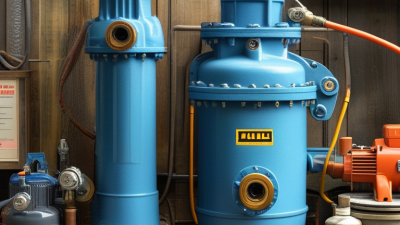
How to Choose the Right Water Motor for Your Needs?
Choosing the right water motor is not simply a matter of buying the highest-rated model. It requires a clear understanding of your water source, delivery distance, pressure needs, and operating conditions. A small garden system may need steady flow at low pressure. A deep well, irrigation network, or commercial installation demands stronger head capacity and more careful engineering.
Allan R. Budris, a respected pump-industry engineer, has stated, “Pump selection must begin with the system, not the pump.” This principle remains practical. Measure the required flow rate in litres per minute, calculate total head, and consider friction inside every pipe, valve, and fitting. Even a short pipe can restrict performance when its diameter is too narrow.
The motor’s power rating matters, but it should not dominate the decision. Oversizing may increase electricity use, create pressure problems, and cause unnecessary wear. Undersizing can produce weak flow, overheating, and repeated shutdowns. Neither choice is ideal.
Look closely at the water quality, too. Sand, chemicals, and salt can damage impellers, seals, and housings. Stainless steel may suit corrosive environments, while durable thermoplastics can work well in lighter applications. Automatic controls add convenience, but they also introduce components that may fail.
Real installations are rarely perfect. Pipe layouts change. Water levels fluctuate. A careful selection leaves some operating margin without becoming wasteful. Check the manufacturer’s performance curve, warranty, service access, and energy data before purchase. A reliable water motor should deliver the needed performance quietly, efficiently, and consistently over time.
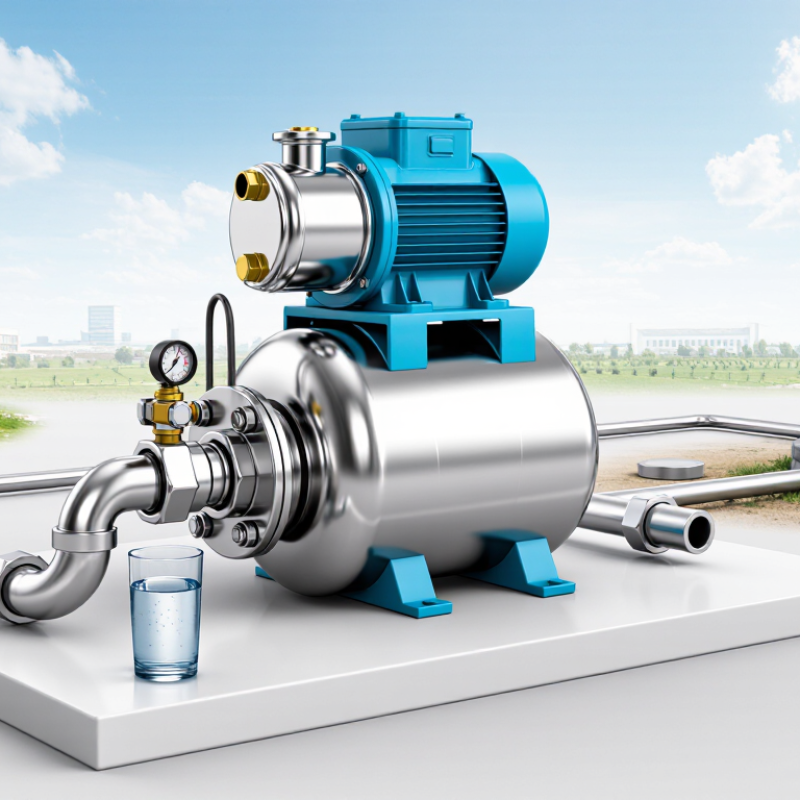
Understanding Water Motor Types and Their Typical Uses
How to Choose the Right Water Motor for Your Needs?
Understanding Water Motor Types and Their Typical Uses
Choosing a water motor starts with understanding how each type moves water. Centrifugal motors suit clean water, irrigation, and household supply systems. They provide steady flow through pipes and work efficiently at moderate pressure. Submersible motors operate underwater, making them useful for deep wells, drainage pits, and flooded areas. Their sealed housing protects internal parts from water exposure. Surface-mounted motors are easier to inspect and maintain. However, they need proper priming before operation.
Positive displacement motors, including diaphragm and piston designs, handle higher pressure and lower flow rates. They are practical for dosing systems, pressure washing, and small agricultural sprayers. Booster motors support buildings where municipal pressure feels weak, especially on upper floors. For dirty water, choose equipment designed for suspended particles. Fine sediment can damage a motor quickly.
Check flow rate, lifting height, pipe length, and water temperature before buying. A motor that seems powerful may still perform poorly with narrow pipes or excessive bends. In field inspections, blocked intake screens often cause problems mistaken for motor failure. I have also seen users choose maximum horsepower when moderate power was enough. That wastes electricity and may increase wear. No chart replaces a site check. Measure the water source, confirm the duty cycle, and follow the manufacturer’s safety instructions. Consider maintenance access, because a difficult repair location becomes expensive very quickly.
Matching Flow Rate and Pressure to Your Watering Requirements
Choosing a water motor starts with the water job, not the motor’s advertised power.
Measure the required flow rate in liters per minute or gallons per minute. A garden sprinkler may need steady flow, while drip lines require less volume but consistent pressure.
Pressure is equally important.
Calculate elevation, pipe friction, filters, valves, and the pressure needed at the outlet. Every 10 meters of vertical lift adds roughly 1 bar of pressure demand. A practical field check helps: run the system with a pressure gauge attached near the outlet. Watch whether the pressure drops when several watering zones operate together.
I once selected a motor by matching pipe size alone. That was a mistake.
The pump delivered enough water, but pressure fell sharply at the farthest sprinkler. Now I compare the motor’s performance curve with the actual flow and total dynamic head. Leave a modest safety margin, not an excessive one. An oversized motor can waste electricity, cycle too often, and strain the pipes. Small motors may run continuously and overheat. Check the duty cycle, water temperature, inlet conditions, and electrical supply. Keep the intake free from air leaks and debris. It sounds minor. It is not. Seasonal changes can also alter demand, so recheck the system after adding sprinklers or extending pipe runs.
Checking Power Sources, Pumping Distance, and Installation Conditions
Choosing a water motor starts with the power source, not the pipe size. Check voltage, phase, available current, and generator capacity before comparing motor ratings. A motor drawing 12 amps may overload a weak circuit during startup. The U.S. Department of Energy’s Pumping Systems Sourcebook reports that pumping systems can consume about 25% of industrial electricity. Small efficiency losses therefore become expensive over long operating hours. Test the supply under load. Numbers from an empty socket can mislead.
Pumping distance means total dynamic head, not horizontal distance alone. Add vertical lift, pipe friction, bends, filters, valves, and the required outlet pressure. For example, a 20-meter rise may need much more than a simple 20-meter pipe calculation. Hydraulic Institute guidance recommends using system curves to match pump performance with real operating conditions. Select a motor near its best efficiency point. Oversizing feels safer, but it can increase energy use and cycling.
Installation conditions deserve equal attention. Measure the pump room’s temperature, humidity, flood risk, ventilation, and access for maintenance. A sealed enclosure may protect against splashes, yet poor ventilation can still overheat the motor. The International Energy Agency notes that motor-driven systems represent a major share of global electricity demand, making correct installation financially important. My own early sizing mistake was ignoring a clogged intake screen. The motor was powerful enough, but the water flow remained disappointing. Leave space for cleaning, and question every assumption before purchase.
Comparing Materials, Efficiency, Noise, and Maintenance Needs
How to Choose the Right Water Motor for Your Needs?
Material choice affects durability before efficiency becomes visible. Stainless steel resists corrosion in damp rooms and mineral-rich water. Cast iron costs less, but its surface can deteriorate when coatings fail. For drinking-water systems, verify approved materials and seals. Do not rely on appearance alone. A clean housing can hide worn bearings.
Efficiency deserves careful measurement. The U.S. Department of Energy reports that pumping systems may consume 25% to 50% of industrial facility energy. A motor with a suitable efficiency rating can reduce operating costs, especially during long daily cycles. However, oversized motors often waste energy through throttling. Check the duty point, flow rate, head pressure, and actual operating hours. Laboratory ratings do not perfectly predict every installation.
Noise often signals vibration, poor alignment, or cavitation. The World Health Organization links prolonged environmental noise exposure with health risks, so a quiet motor matters near homes and offices. Ask for measured sound levels, not vague “low-noise” claims. Maintenance needs also differ. Sealed bearings reduce routine work, while accessible designs simplify inspection and replacement. Keep filters clean and check unusual humming early. I have seen efficient motors lose performance because maintenance was postponed. That mistake is easy to repeat. Reference data from the U.S. Department of Energy, the World Health Organization, and published pump-system guidance from the Hydraulic Institute can support a more reliable comparison.
How to Choose the Right Water Motor for Your Needs?
Comparison of typical motor efficiency, operating noise, and annual maintenance requirements by construction type.
Stainless steel offers strong corrosion resistance for aggressive or outdoor water environments, cast iron provides durability for general-purpose installations, and thermoplastic components are lightweight and corrosion-resistant for clean-water applications. The figures shown are representative engineering values and may vary with motor size, load, installation, and operating conditions.