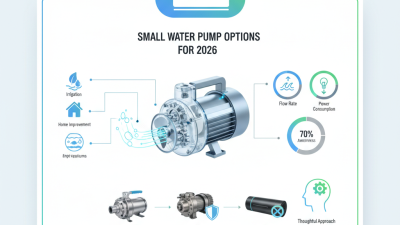
Why Choose a Mini Water Pump for Your Needs?
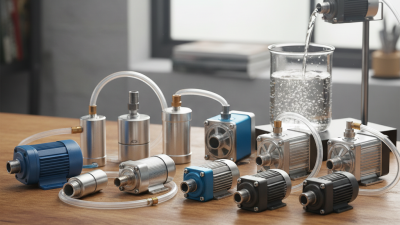
In today's fast-paced world, a mini water pump offers practical solutions for various needs. These compact devices provide efficient water movement in both residential and commercial settings. Their versatility is impressive, making them suitable for aquariums, gardens, and even small-scale irrigation systems.
Choosing the right mini water pump requires some consideration. While many options exist, not all pumps are created equal. Features such as power, flow rate, and size can significantly impact performance. It's crucial to understand your specific needs before making a decision.
Many users may overlook the importance of quality. A reliable mini water pump can save time and effort in the long run. Investing in a trusted brand ensures long-lasting functionality. Research and user reviews can guide you in identifying a suitable pump that meets your requirements. Ultimately, the right choice enhances convenience and performance in your daily tasks.
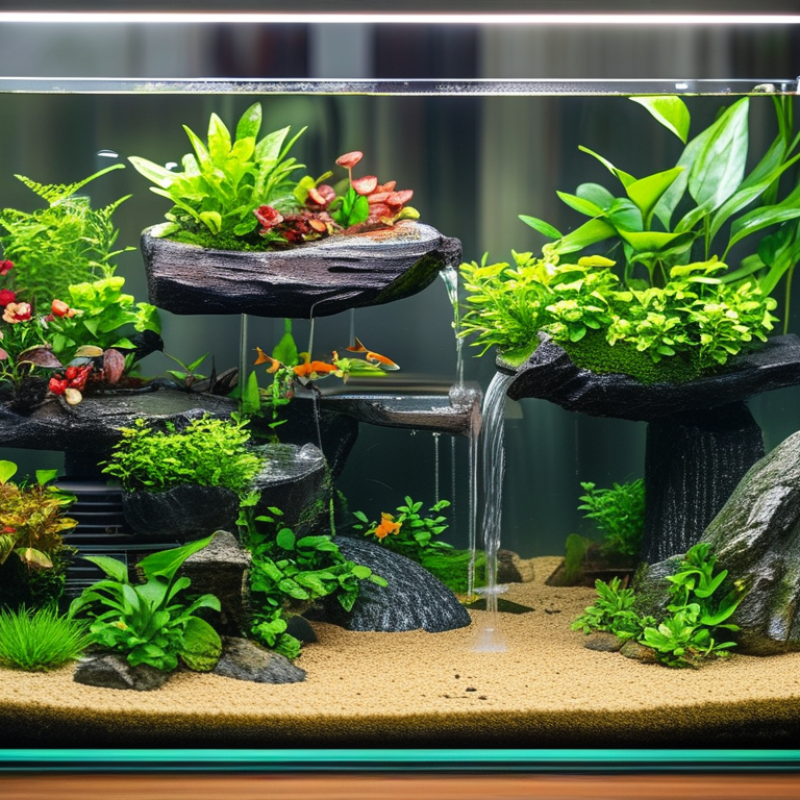
Benefits of Mini Water Pumps in Various Applications
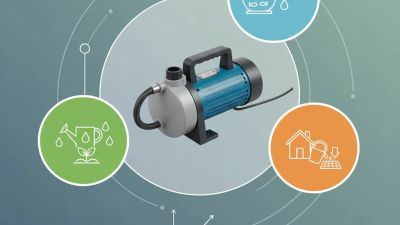
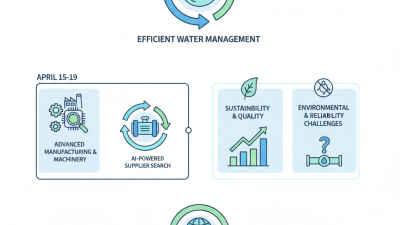
Mini water pumps are versatile tools with numerous applications across various industries. Their compact design allows them to be used in tight spaces, creating opportunities for effective water management. According to a 2022 report by the Pump Industry Association, mini water pumps have seen a growth rate of 8% annually due to increased demand in construction and agriculture.
In gardening, mini water pumps can efficiently move water from reservoirs to plants. They allow for drip irrigation setups that conserve water while providing adequate moisture. A study from the Water Research Institute indicates that using efficient watering systems can reduce water waste by up to 30%. In aquariums, these pumps maintain water circulation, ensuring a healthy environment for fish.
Tip: When selecting a mini water pump, consider the flow rate needed for your specific application. Check the pump's capacity to avoid underperformance. Additionally, maintenance is crucial; regular cleaning can elongate the pump's lifespan.
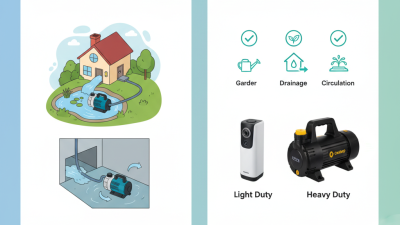
For home use, mini water pumps assist with draining basements or pools. Their easy installation attracts DIY enthusiasts. However, it's essential to verify the total dynamic head (TDH) for optimal performance. Incorrect settings may result in low efficiency or premature failure.
Why Choose a Mini Water Pump for Your Needs? - Benefits of Mini Water Pumps in Various Applications
| Application |
Flow Rate (L/min) |
Power Consumption (W) |
Weight (kg) |
Key Benefits |
| Aquarium |
600 |
20 |
0.5 |
Quiet operation, compact design |
| Garden Irrigation |
1200 |
30 |
0.75 |
Efficient water usage, energy saving |
| Portable Water Supply |
800 |
25 |
1.2 |
Lightweight, easy to install |
| Solar Power Systems |
300 |
15 |
0.4 |
Eco-friendly, low maintenance |
| Home Aquaponics |
500 |
18 |
0.6 |
Compact & efficient, promotes growth |
Understanding the Technical Specifications of Mini Water Pumps
When selecting a mini water pump, understanding its technical specifications is vital. The power of the pump is commonly expressed in watts or horsepower. Higher wattage usually means a stronger flow rate. Look for specifications that detail maximum flow and head height. These numbers will tell you how effectively the pump pushes water.
Another crucial aspect is the material construction of the pump. Many mini pumps are made from plastic, while others feature metals for durability. Consider where you’ll be using the pump. Corrosion-resistant materials are ideal for outdoor use. Weight could also influence your decision, especially if portability matters.
Notably, noise level and energy efficiency are often overlooked. Some pumps can be quite loud, which may not suit your needs. Efficient models save energy and reduce costs over time. Ultimately, choosing the right mini water pump requires considering these technical aspects. Reflecting on these factors will lead to a more informed decision.
Mini Water Pumps Technical Specifications Comparison
This chart compares the technical specifications of various mini water pumps, highlighting their flow rates and power consumption. Understanding these metrics is crucial for choosing the right pump for your specific needs.
Cost-Effectiveness: Comparing Mini Water Pumps to Larger Alternatives
When considering a mini water pump, cost-effectiveness becomes a significant factor. Mini pumps generally require a lower initial investment compared to larger alternatives. This appeals to individuals and businesses with tight budgets. Additionally, mini water pumps often consume less energy, leading to lower operational costs over time. This efficiency can save you a considerable amount on your utility bills.
However, it’s essential to evaluate your specific needs. Mini pumps are not suitable for every scenario. If your project demands high flow rates or considerable pressure, opting for a larger pump might be wise. It is important to weigh the benefits of cost savings against potential performance limitations. Sometimes, investing more initially in a larger unit can save you from future expenses related to pump failures or inefficiencies. Reflecting on these factors can lead to better decision-making.
Beyond the immediate costs, consider maintenance expenses. Mini pumps can be simpler and cheaper to maintain. Yet, some users report that their longevity doesn’t always match larger models. Reliability plays a crucial role in overall satisfaction. Evaluating how often you’ll need to replace or repair the pump can directly impact your long-term costs.
Efficiency Ratings: How Mini Water Pumps Save Energy and Water
Mini water pumps are becoming increasingly popular for both residential and commercial applications. Their efficiency ratings are noteworthy. According to a report by the U.S. Department of Energy, mini pumps can reduce energy consumption by up to 30% compared to traditional pumps. This reduction not only lowers energy bills but also helps conserve water in homes and gardens.
The design of mini water pumps allows for targeted water flow. This feature minimizes waste and ensures that every drop counts. A study from the International Energy Agency indicates that efficient pumps can save an estimated 1-2 gallons of water per day for an average household. This is significant over time. Implementing a mini pump could lead to substantial long-term savings.
However, the initial investment in a mini water pump may raise concerns. Users often question if the long-term savings justify the upfront costs. While many find that energy bills decrease significantly, each situation is unique. Some may need time to see the benefits fully. A careful evaluation before purchasing could help in making an informed decision.
Common Use Cases for Mini Water Pumps in Residential and Industrial Settings
Mini water pumps are versatile tools utilized in various settings. In residential areas, they are commonly used for draining water from basements or swimming pools. These pumps efficiently remove unwanted water during heavy rains, preventing damage to properties.
Their compact size allows them to fit in tight spaces. Homeowners value their ability to work quietly and effectively.
In industrial scenarios, mini water pumps serve essential functions, such as supporting cooling systems. They circulate water in machines, ensuring optimal temperatures during operations.
Factories often depend on these pumps for wastewater management. They can quickly transfer fluids, aiding in various processes.
However, one must consider proper maintenance to ensure longevity. Over time, wear can impact performance, which may lead to disruptions in critical operations. Regular checks and careful operation enhance reliability, but users may overlook these details in a fast-paced environment.