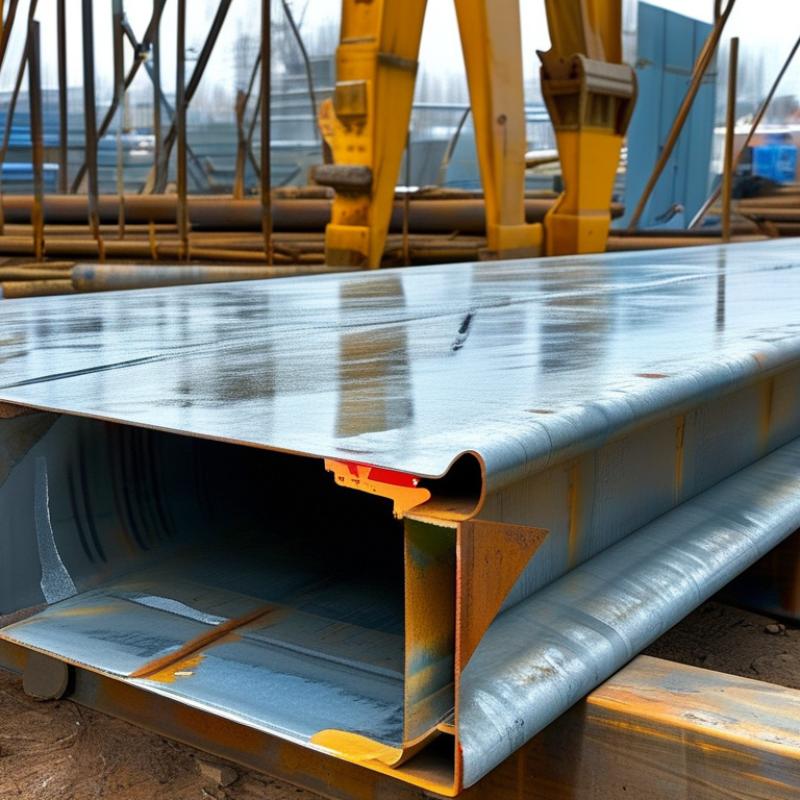
| Protective coating material | A zinc coating separates the steel substrate from moisture, oxygen, and many corrosive contaminants. | The coating is formed by metallurgically bonding zinc to the steel surface during hot-dip galvanizing. |
| Barrier protection | The zinc layer acts as a physical barrier that reduces direct contact between the steel and the surrounding environment. | Performance depends on coating thickness, surface preparation, humidity, pollutants, and exposure conditions. |
| Cathodic protection | Zinc corrodes preferentially to exposed steel, helping protect small scratches, cut edges, and other damaged areas. | This electrochemical protection is one of the main differences between galvanizing and non-metallic paint-only systems. |
| Protective patina | Zinc reacts gradually with air and moisture to form relatively stable corrosion products that slow further zinc consumption. | The appearance commonly changes from bright metallic zinc to a duller gray surface over time. |
| Typical galvanizing method | The entire accessible surface can be coated in a single production process, including external faces and internal areas that are properly vented and drained. | Hot-dip galvanizing generally includes cleaning, pickling, fluxing, immersion in molten zinc, withdrawal, cooling, and inspection. |
| Coating thickness control | A thicker zinc coating normally provides a greater zinc reserve and can extend service life in comparable environments. | Coating requirements are commonly specified by standards such as ASTM A123/A123M, ASTM A153/A153M, or ISO 1461, depending on the product and region. |
| Durability in outdoor use | Galvanized square pipe is suitable for many outdoor applications because zinc protection does not depend solely on an organic film remaining intact. | Actual service life varies significantly with atmospheric exposure, chloride levels, industrial pollution, wetness, and coating mass. |
| Maintenance requirements | The zinc coating usually requires less frequent maintenance than an unprotected steel surface that must be repeatedly painted to control rust. | Periodic visual inspection is still recommended, especially at joints, cut ends, welds, drainage points, and areas exposed to abrasion. |
| Fabrication considerations | Square geometry supports consistent alignment and efficient fabrication for frames, supports, rails, posts, and general structural assemblies. | Draining and venting holes may be required for enclosed sections before hot-dip galvanizing to prevent trapped air, liquid, or pressure buildup. |
| Welding and repaired areas | Areas where the zinc coating is removed during cutting or welding can be restored with an appropriate zinc-rich repair system. | Repair practices should follow the applicable galvanizing standard and include proper cleaning, preparation, and coating application. |
| Fire and temperature considerations | Galvanized steel is non-combustible as a steel product and does not add an organic coating system to the surface. | Designers must still evaluate the structural effects of elevated temperature on the underlying steel and zinc coating. |
| Environmental limitations | Galvanizing is not immune to corrosion and may require additional protection in highly acidic, strongly alkaline, continuously wet, or heavily chlorinated conditions. | A site-specific corrosion assessment should be completed before selecting the coating system for aggressive environments. |
| Common applications | The combination of corrosion resistance, strength, and low routine maintenance makes galvanized square pipe useful in many fabricated assemblies. | Typical uses include fencing, handrails, agricultural structures, equipment supports, frameworks, guardrails, and outdoor enclosures. |