

loading

Our Blog

Check out our innovative pump solutions and industry insights to see what's new in the pumping industry. Stay up to date with the latest trends and news in the world of pumping technology by following our pumping technology blog.

Why Choose Electric Motorcycle Wheels for Your Business?

For fleet operators, delivery companies, and mobility retailers, the wheel is more than a replacement part. Electric Motorcycle Wheels must handle instant motor torque, added battery weight, frequent stops, and varied road surfaces. A wheel that looks suitable on a showroom floor may behave differently after months of loaded urban use. That matters.

The market is moving quickly. The International Energy Agency’s Global EV Outlook 2024 reports that nearly 10 million electric two- and three-wheelers were sold worldwide in 2023. That figure signals growing demand, but it does not guarantee every product will suit every business. Buyers should compare load ratings, braking compatibility, corrosion resistance, service access, and total replacement costs. A cheaper wheel can become an expensive choice when downtime keeps vehicles off the road.

Gogoro founder Horace Luke has described the broader transition this way: “The future of urban transportation is electric.” For businesses, the practical question is how to make that transition dependable. Ask suppliers for test information, material specifications, and support for the models in your fleet. Check how wheels perform on wet streets and broken pavement, not only in ideal conditions. Small differences matter.

There is no single best wheel for every route or vehicle. A careful trial with real riders can reveal issues that a brochure misses. That is worth admitting: specifications help, but field experience still has the final word.
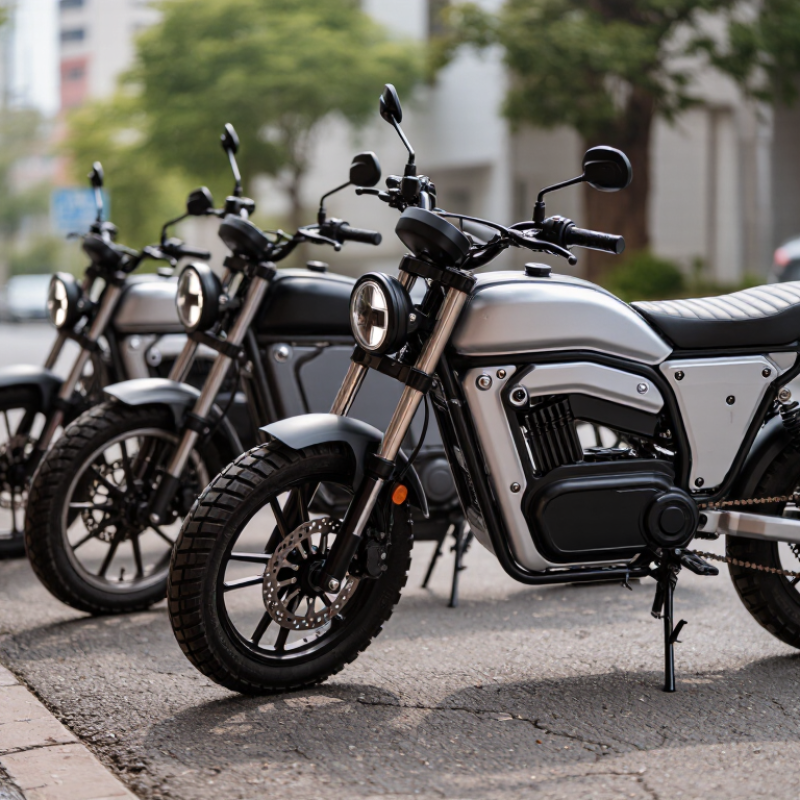
Why Choose Electric Motorcycle Wheels for Your Business?

What Electric Motorcycle Wheels Are and How They Work

An electric motorcycle wheel may house an electric motor inside its hub. The assembly also includes the rim, tire, bearings, and brake fittings. In some designs, the motor sits elsewhere and drives the wheel through a chain or belt. So “electric wheel” can describe different layouts. No combustion engine is involved.

In a hub-motor system, the battery supplies electrical energy to a controller. The controller regulates current sent to the motor, creating magnetic forces that turn the wheel. Sensors can help adjust power as speed or rider input changes. The wheel then converts that motion into traction on the road. Component placement affects weight, handling, braking, and maintenance access. Details vary, and that is easy to overlook when comparing assemblies.

Tips: Check axle dimensions, load rating, brake compatibility, and connector placement before choosing a wheel. Inspect wiring protection and sealing, especially if the motorcycle faces rain or road spray. Ask how the assembly affects unsprung weight and service access. A powerful motor is not automatically the best fit. I would verify the complete setup, not just the wheel’s advertised output.

Business Applications for Electric Motorcycle Wheels

Electric motorcycle wheels can serve delivery fleets, rental operators, maintenance workshops, and specialist vehicle builders. For a courier business, a wheel assembly suited to frequent stop-and-go riding may help keep routine servicing manageable. Fleet managers should compare rated load, motor output, braking compatibility, and replacement-part availability before ordering. Small details matter. A wheel that fits the frame but conflicts with the brake setup can create extra workshop time.

Rental companies may value predictable inspections and quick replacements, especially when vehicles return with worn tires or damaged rims. Workshops can use compatible wheel options to support repairs and planned upgrades, while builders may select components around a vehicle’s intended range and payload. Check connector types, axle dimensions, and wheel clearance in person; catalog measurements do not always reveal installation problems. Test one unit first. Record fitting time, operating temperature, and maintenance needs under real working conditions. I would not assume a higher price guarantees lower downtime. Actual results depend on rider habits, road surfaces, and service discipline. That uncertainty deserves a place in procurement decisions.

Why Choose Electric Motorcycle Wheels for Your Business?

Estimated energy cost per 100 km: electric motorcycles can reduce running costs for delivery and other high-mileage business fleets.

Illustrative U.S. estimate: electric use is assumed at 3 kWh per 100 km and gasoline use at 2.5 L per 100 km. Costs are calculated using 2024 U.S. average residential electricity ($0.1648/kWh) and regular gasoline ($3.30/gallon) prices. Actual costs vary by vehicle, location, and energy tariff.

Operational and Commercial Benefits of Choosing Them

For businesses making frequent urban deliveries, electric motorcycle wheels can support quieter, more predictable daily operations. Depending on the design, an integrated wheel motor may reduce the number of drive components that need routine attention. Fewer moving parts can mean fewer service interruptions, though tire, brake, and bearing checks still matter. No system is maintenance-free. That matters.

A vehicle returning to the same depot each evening is easier to inspect and charge than one with an unpredictable route. Fleet managers can track energy use, schedule charging during quieter hours, and compare operating costs with fuel-powered alternatives. Results vary with battery capacity, load, terrain, and local electricity prices, so a short pilot can reveal more than a sales estimate. Keep spare tires and basic wheel-service tools available; a damaged tire can still sideline a vehicle. Commercially, lower energy costs may help protect margins, while quiet operation can suit early-morning neighborhood deliveries. But charging space and downtime need honest planning. They are easy to underestimate. A practical purchasing review should include wheel durability, replacement-part availability, technician training, and the cost of keeping vehicles in service.

Key Factors for Selecting Wheels for Your Business

For a commercial electric motorcycle, wheel selection affects payload capacity, uptime, handling, and energy use. The International Energy Agency’s Global EV Outlook 2024 estimates that nearly 10 million electric two- and three-wheelers were sold worldwide in 2023. That scale makes careful component selection increasingly practical, not merely technical.

Start with the motorcycle’s approved wheel dimensions, maximum axle load, and speed rating. Then match the wheel and tire to real routes: frequent curb impacts, wet roads, and heavy cargo place different demands on rims and tread. For delivery fleets, a durable construction and widely available replacement sizes can reduce downtime. Check that the wheel suits the braking system, hub, and tire setup, including tubeless compatibility where applicable. Small fitment errors matter.

Efficiency deserves attention, but grip and heat control cannot be traded away casually. Ask suppliers for test data on load, fatigue, and rolling resistance, and compare results under similar conditions. Also inspect spoke tension or rim runout during routine maintenance; uneven wear can signal a mismatch or poor setup. A specification sheet is useful, but it cannot reproduce potholes on a daily route. Pilot the wheel on representative vehicles and record failures, wear, and energy use before standardizing. That step takes time. It can prevent a costly fleet-wide guess.

Maintenance and Integration in Fleet Operations

Electric motorcycle wheels can simplify some fleet routines, but they still need consistent inspection. A mechanic can check tire pressure, tread wear, rim damage, and bearing play during scheduled service. Small details matter. A wheel that looks fine may still develop uneven wear after repeated curb impacts or heavy loads. Record each inspection against the vehicle, not just the workshop date.

Integration takes careful planning. Confirm axle dimensions, brake compatibility, load limits, and sensor connections before adding a wheel assembly to an existing fleet. If maintenance staff use different parts across vehicle groups, stocking and repairs can become more complicated. A shared parts list helps, though it may need adjustments as real-world wear patterns emerge. No checklist catches everything.

Fleet managers should connect wheel maintenance with daily vehicle checks and service records. Drivers can report vibration, unusual noise, or pressure loss before a small issue disrupts a shift. Keep replacement wheels and basic tools near the service area, where technicians can reach them quickly. The routine will not be perfect at first. Review repair notes regularly, then refine inspection intervals around route conditions and actual service history.