Why Choose an Acrylic Luminous Sign for Your Business?
Acrylic luminous sign technology is changing how storefronts communicate after sunset. Its edge-lit or face-lit acrylic panels create a clean glow, sharp lettering, and strong color contrast. These qualities help a café, clinic, showroom, or hotel remain visible beside busy streets. The Sign Research Foundation has repeatedly identified visibility, legibility, and placement as essential factors in effective on-premise signage. An Acrylic luminous sign addresses all three when designers select suitable letter spacing, brightness, and viewing height.
Visibility influences commercial performance. A FedEx Office survey reported that 76% of consumers had entered a store because its sign attracted attention, while 68% had purchased because of an appealing sign. The survey is older, so it should not be treated as universal proof. Still, it shows why physical signage remains commercially relevant. Meanwhile, Grand View Research valued the global digital signage market at approximately $27.6 billion in 2023, with continued growth projected through 2030. That wider trend reflects rising expectations for clear, memorable visual communication, even when a sign is not digital.
Acrylic offers practical advantages beyond brightness. It is lightweight, easy to shape, and available in frosted, transparent, and colored finishes. LEDs can also reduce heat and support consistent illumination. However, the material is not automatically premium. Poor edge finishing, uneven light diffusion, or excessive brightness can make a sign look cheap. That detail matters. A reliable supplier should provide illumination tests, weather-resistant specifications, installation guidance, and maintenance information. The strongest choice combines attractive design with measurable readability, safe construction, and a realistic assessment of the building’s surroundings.
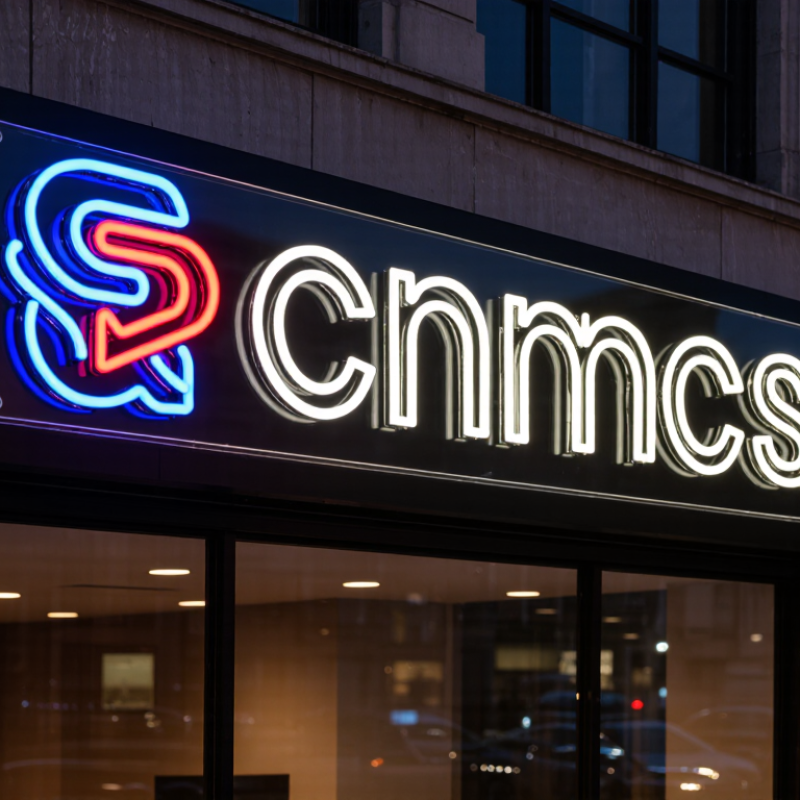
What Is an Acrylic Luminous Sign?
An acrylic luminous sign is a custom display made with acrylic panels and internal LED lighting. The acrylic face carries lettering, symbols, or printed graphics. When powered, light passes through or around these elements, creating a clear, glowing appearance.
Most signs use backlighting, edge lighting, or a shallow illuminated box. Backlighting produces a soft halo against a wall. Edge lighting creates a cleaner, more refined glow. A skilled fabricator selects acrylic thickness, diffusion level, and LED spacing according to the sign’s size. Poor spacing can create bright spots. It happens more often than people expect.
In practical installation, the sign needs a strong frame, protected wiring, and suitable ventilation. Acrylic is lightweight, but it is not unbreakable. It may scratch during transport or crack after careless drilling. I recommend checking the panel edges, fixing points, and light distribution before final installation. Indoor signs usually need less protection, while outdoor signs require weather-resistant materials and properly sealed connections. A qualified installer should also confirm electrical requirements and local safety rules. Even a beautiful sign can look weak if its glow is uneven or its mounting is unstable.
How Acrylic Luminous Signs Work
An acrylic luminous sign begins with a clear or colored PMMA panel.
PMMA means polymethyl methacrylate. It is lightweight, weather-resistant, and highly transparent. LEDs sit behind the panel or along its edges. Their light travels through the acrylic and spreads across the visible surface.
In an edge-lit design, tiny LEDs enter the acrylic from its sides. Laser-etched dots or fine textures redirect light toward the viewer.
A backlit design uses LEDs behind the panel. A diffuser helps soften bright points and reduce shadows.
The distance between LEDs and acrylic matters. Poor spacing can create visible hotspots.
The result is not magic.
A sign may look evenly lit indoors but appear weak beside direct sunlight. Skilled installers check viewing distance, panel thickness, LED spacing, ventilation, and power-supply capacity. They also measure brightness instead of trusting appearance alone.
The U.S. Department of Energy reports that LED lighting uses at least 75% less energy and lasts up to 25 times longer than incandescent lighting. That efficiency can reduce operating demand, although real savings depend on operating hours and electrical design.
Acrylic also needs practical care.
Dust, fingerprints, and scratched surfaces can scatter light unevenly. Heat buildup may shorten component life. I have seen attractive samples lose impact because the electrical layout was treated as an afterthought.
Better results come from testing the complete sign at night and in daylight before installation.
Key Benefits for Business Visibility and Branding
Why Choose an Acrylic Luminous Sign for Your Business?
An acrylic luminous sign can make your business easier to notice from the pavement. Even after sunset, clear lettering and soft illumination can guide customers toward your entrance. Acrylic also creates a clean, modern surface that supports consistent branding. Its smooth finish displays colors sharply and keeps logos visually simple. In practice, readable signs often perform better than crowded designs.
Visibility depends on more than brightness. Letter size, viewing distance, contrast, and placement all affect customer recognition. A warm glow may suit a café, while cooler lighting can support a professional service office. The first layout is rarely perfect. Test it from across the street, then adjust spacing or brightness before production. A qualified sign professional can also check mounting conditions, electrical safety, and local requirements.
Tips: Keep the message short. Use one main color and one accent color. Check the sign in daylight and darkness. Clean the acrylic regularly, because dust can dull the glow. Avoid excessive brightness, which may distract drivers or weaken the intended brand impression. Small flaws can appear after installation, so schedule a real-site review rather than relying only on digital previews.
Design and Customization Options
An acrylic luminous sign can make a business entrance look clear, modern, and memorable. Its design should support your identity, not overpower it. Choose letter shapes that remain readable from the street. Soft white lighting suits professional spaces, while warmer tones can feel more welcoming. Contrast matters, especially beside glass, brick, or dark walls. In sign projects, I have found that simple layouts often remain effective longer than crowded designs. Still, a perfectly minimal sign may feel too plain for some businesses.
Customization allows you to control size, color, thickness, lighting, and mounting style. Frosted acrylic can create a softer appearance, while transparent acrylic offers a sharper visual effect. Raised letters add depth during daylight, and edge lighting creates a subtle evening glow. Ask for material samples before production. Colors can look different under indoor lights and direct sunlight. Check viewing distance, power access, wall strength, and local installation requirements. A design that looks impressive on a screen may feel oversized above a narrow doorway. That mistake is easy to make.
Tips: Keep the main message short. Test the sign at night. Use high-contrast colors. Leave space around the lettering. Select weather-resistant materials for outdoor use. Review a scaled drawing before approval. If possible, view a physical sample. It may reveal small issues that digital previews hide.