Top Water Pumps to Consider in 2025 for Your Home and Garden Needs
As we step into 2025, efficient and reliable water pumps are becoming essential for homeowners and gardening enthusiasts alike. Whether you are maintaining a lush garden, managing irrigation systems, or ensuring your home has access to clean water, choosing the right water pump is crucial. The advancements in technology and design have led to a range of options that cater to various needs, making it imperative to stay informed about the latest trends and features in water pumps.
The right water pump can significantly enhance your ability to manage water efficiently, save energy, and reduce maintenance costs. With numerous types available, including submersible, centrifugal, and solar-powered pumps, understanding their functionalities will empower you to make informed decisions. This article explores the top water pumps to consider in 2025, highlighting their suitability for diverse applications in home and garden settings. By evaluating performance, durability, and user-friendliness, you can ensure that your investment in water pumps meets your specific requirements and contributes to a sustainable future.
Key Features to Look for in Home and Garden Water Pumps
When selecting water pumps for your home and garden in 2025, certain key features can significantly enhance their performance and efficiency. First and foremost, consider the pump's flow rate, measured in gallons per minute (GPM). According to industry data from the American Society of Agricultural and Biological Engineers, an effective residential pump should ideally have a flow rate tailored to your specific watering needs, typically ranging between 3 to 10 GPM. This ensures that the pump can handle tasks from irrigating small gardens to supplying water for larger landscapes without strain.
Another critical feature is energy efficiency. The U.S. Department of Energy reports that energy-efficient pumps can reduce energy consumption by up to 30% compared to traditional models. Look for pumps that are labeled with efficiency ratings, such as Energy Star certification, which not only help in conserving energy but also lower operational costs over time. Additionally, durable materials and self-priming capabilities are worth considering, as they enhance longevity and simplify the pumping process. By focusing on these essential attributes, you can ensure that your choice in water pumps will meet both your immediate and long-term garden and home water needs effectively.
Types of Water Pumps: A Comparison for 2025
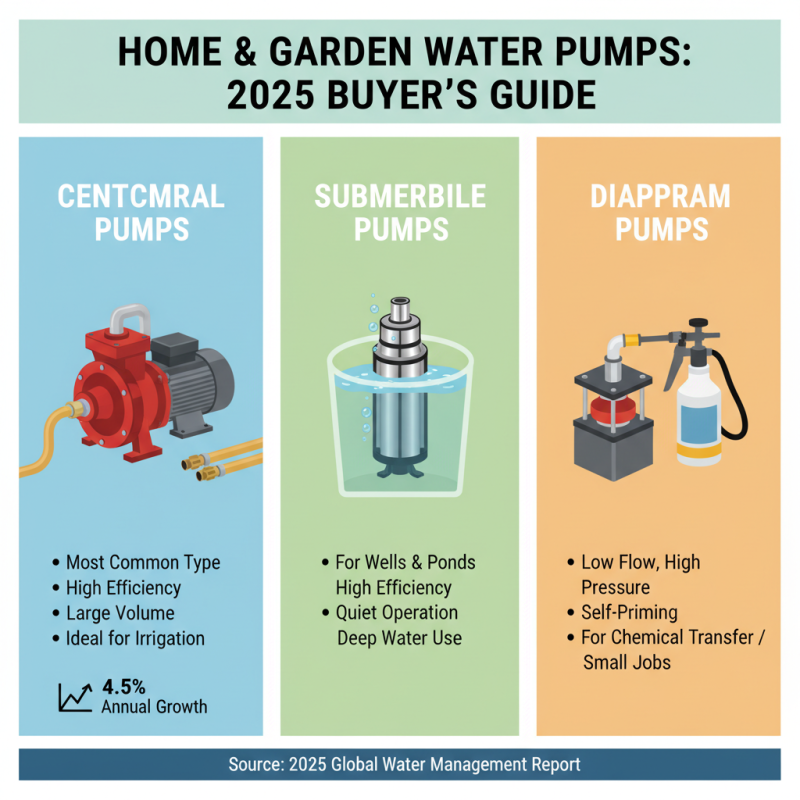
When considering water pumps for home and garden applications in 2025, it’s essential to understand the various types available on the market and their respective uses. There are primarily three categories of water pumps: centrifugal pumps, submersible pumps, and diaphragm pumps. According to a recent industry report, centrifugal pumps are the most commonly used type, preferred for their efficiency and ability to handle large volumes of water. They can effectively move water from one location to another and are ideal for irrigation systems in gardens and households. The global market for centrifugal pumps is estimated to grow by 4.5% annually, driven by the increasing demand for efficient and sustainable water management solutions.
Submersible pumps hold a significant place in residential and agricultural settings as well. Designed to operate underwater, they are highly effective for draining and sewage applications. The growing need for drainage solutions in flood-prone areas has contributed to a projected market growth of over 6% in submersible pump sales. Meanwhile, diaphragm pumps, known for their versatility and ability to handle various fluids, are gaining traction in smaller-scale gardening and aquaponics systems. The increasing focus on sustainable gardening practices supports the rise of these pumps, with market analysts reporting an expected boom in this sector. Understanding these comparisons will be crucial for homeowners looking to invest in water pumping solutions that align with their specific needs in the approaching year.
Top Brands and Models of Water Pumps for Home Use
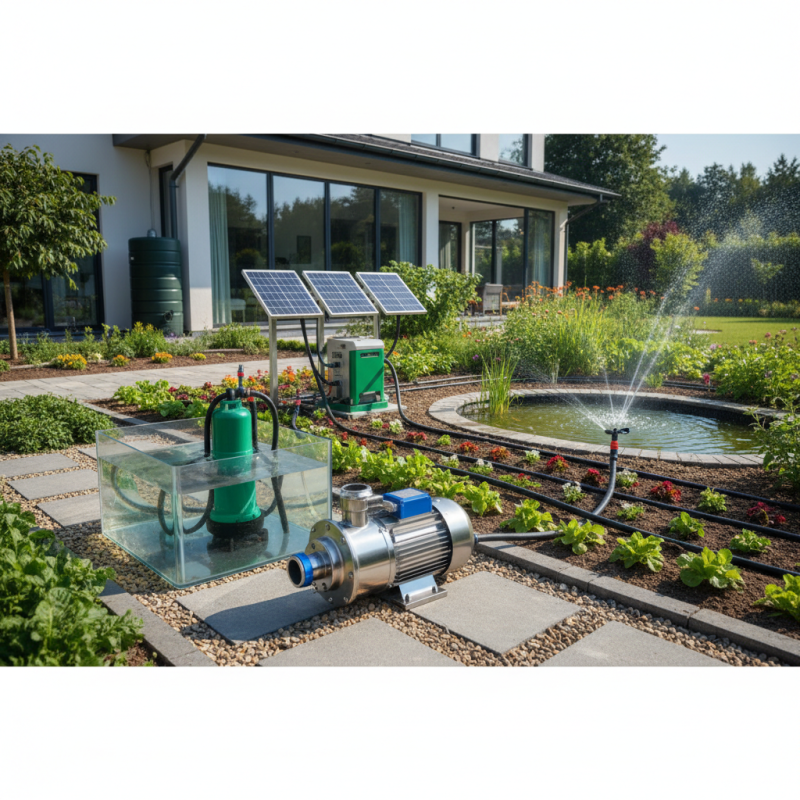
When choosing the right water pump for your home and garden in 2025, it's essential to consider several top models that cater to various needs. Submersible pumps are ideal for those requiring efficient water removal from basements or ponds, offering quiet operation and ease of use. These pumps are submerged in water, making them highly effective for deeper applications where space is limited. For garden irrigation, centrifugal pumps are often preferred due to their ability to move large volumes of water quickly, making them suitable for larger lawns or agricultural use.
Another option to consider is the portable water pump, which is perfect for homeowners who need flexibility and convenience. These pumps are lightweight and easy to transport, allowing for quick solutions for tasks like draining pools or moving water during emergencies. Additionally, solar-powered pumps are gaining popularity due to their eco-friendliness and low operating costs. They can efficiently operate in off-grid setups, making them an excellent choice for remote gardens or where electricity is not readily available.
In summary, understanding the key features and applications of different water pumps can help you make an informed decision tailored to your specific home and garden needs. Whether you prioritize efficiency, portability, or sustainability, there are various models available in the market that can meet your requirements.
Top Water Pumps to Consider in 2025 for Your Home and Garden Needs
| Model |
Type |
Power Source |
Max Flow Rate (GPH) |
Head Height (Feet) |
Weight (lbs) |
Price ($) |
| WaterPro 1000 |
Submersible |
Electric |
1000 |
25 |
10 |
199 |
| GardenFlow Ultra |
Surface |
Gas |
1200 |
20 |
15 |
299 |
| EcoSmart Pump |
Submersible |
Solar |
800 |
30 |
12 |
249 |
| HydroMax 1500 |
Surface |
Electric |
1500 |
35 |
18 |
349 |
| AquaJet Pro |
Submersible |
Electric |
950 |
28 |
11 |
229 |
Energy Efficiency and Environmental Impact of Water Pumps
When selecting water pumps for home and garden use in 2025, energy efficiency and environmental impact are critical factors to consider. Modern water pumps are being designed with advanced technology that reduces energy consumption, which not only lowers utility bills but also minimizes carbon footprints. By opting for energy-efficient models, homeowners can contribute to sustainability efforts while enjoying reliable water management solutions. These pumps often feature variable-speed drives that adjust the motor speed based on demand, which enhances efficiency and reduces wear over time.
Moreover, the environmental impact of water pumps is increasingly influenced by their construction and the materials used. Eco-friendly pumps are crafted from recyclable materials and designed for durability, which leads to less waste over their lifecycle. Proper installation and maintenance also play significant roles in reducing their ecological impact. By ensuring pumps operate efficiently and effectively, users can significantly decrease their water usage and energy consumption. With the growing emphasis on sustainability, choosing a water pump that aligns with these principles not only benefits individual households but also supports broader environmental goals.
Maintenance Tips for Longevity of Your Water Pump
Proper maintenance of your water pump is essential to ensure its longevity and optimal performance. Regular inspections should be a priority; check for any signs of wear or damage, such as leaks, unusual noises, or vibrations. Keeping the pump clean is also vital—remove any debris or sediment that may accumulate around the pump's inlet. This helps maintain efficient water flow and prevents potential clogs, which can lead to overheating and premature wear.
Another important aspect of maintenance is monitoring the pump's fluid levels and quality. Ensure that the lubrication is adequate and that any gaskets or seals are functioning correctly to avoid leaks. Seasonal maintenance is crucial, especially before heavy usage periods; draining the pump during the off-season can prevent freezing and extensive damage in colder climates. By following these tips, you can enhance the performance and lifespan of your water pump, ensuring it meets your home and garden needs for years to come.