Top Water Pumps for Global Buyers What Should You Look For?
In the evolving landscape of the water pumps industry, global buyers face a crucial dilemma. Selecting the right water pumps demands careful consideration and expert guidance. According to a recent report by Grand View Research, the global water pump market is projected to reach $75 billion by 2028, highlighting the importance of effective selection strategies.
Expert John Smith, a prominent figure in the water pumps sector, states, “Choosing the right water pump can significantly impact efficiency and operational costs.” This underscores the necessity of understanding key factors like flow rate, energy efficiency, and application suitability. Buyers must navigate nuances in designs and technologies available, which can often appear overwhelming.
Quality and reliability should remain central to buyers' decisions. While many products claim superiority, true performance often reveals itself only through practical use. The industry's diversity necessitates a tailored approach; what works for one application might not suit another. Reflection on such considerations often leads to better, more informed choices in the long run.

Top Water Pump Types: Understanding Centrifugal, Gear, and Diaphragm Pumps
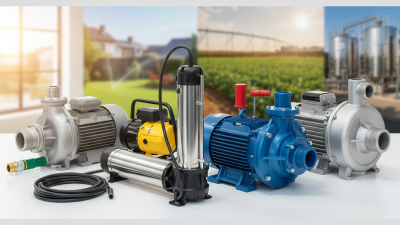
Understanding different types of water pumps is crucial for making informed buying decisions. Centrifugal pumps, for instance, are well-regarded for their efficiency and versatility. Industry data suggests that they represent about 80% of all pumps used globally. This type relies on rotational energy; using a rotating impeller to add velocity to liquids. Their open impeller designs can accommodate various fluids, though they may struggle with high-viscosity substances.
Gear pumps, on the other hand, are known for their ability to handle thicker fluids. They provide a steady flow, making them suitable for applications demanding high pressure. According to a recent market analysis, gear pumps hold approximately 15% of the pump market share. Their interlocking gears create a seal that efficiently moves viscous liquids, but they are not as efficient with low-viscosity fluids. Consumers often overlook the need for regular maintenance, which can lead to unexpected downtime.
Diaphragm pumps are versatile and ideal for handling corrosive or hazardous fluids. Their design allows for a wide range of applications, from chemical transfer to food processing. Reports indicate that these pumps are gaining popularity, expected to grow at a CAGR of 6% through 2028. However, users need to watch for potential wear and tear on the diaphragm. Regular inspections are essential to maintain optimal performance. A well-informed choice considers these factors, balancing efficiency with specific application requirements.
Key Specifications to Consider: Flow Rate, Head Pressure, and Efficiency
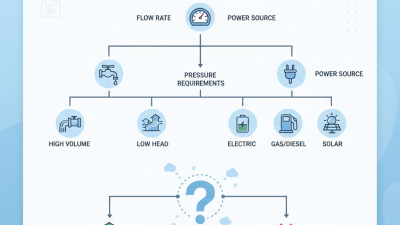
When selecting a water pump, key specifications like flow rate, head pressure, and efficiency are essential. The flow rate indicates how much water the pump can move in a given time. For example, a higher flow rate is needed for large-scale irrigation systems. However, it's crucial to match the flow rate with your specific application. Too much flow can lead to wastage and increased costs.
Head pressure is another critical factor. It determines how high the pump can lift the water. Pumps with inadequate head pressure may struggle in applications requiring water to be moved over long distances or upward. Thus, carefully measuring the total lift height is necessary to ensure efficiency.
Efficiency measures how well a pump converts input power into hydraulic energy. An efficient pump can save money in the long run. However, this can vary based on usage conditions. Users often overlook how the operating environment affects pump efficiency, leading to poor performance. Balancing these specifications allows users to choose a water pump that meets their unique requirements effectively.
Market Trends: Global Demand and Supply Dynamics in the Water Pump Industry
The water pump industry is evolving rapidly, driven by global demand and changing supply dynamics. According to a market research report by Grand View Research, the global water pump market is expected to reach USD 86 billion by 2027, growing at a compound annual growth rate of 6.4%. This growth highlights the increasing need for efficient water management systems worldwide. Factors contributing to this trend include urbanization, agricultural practices, and industrial applications.
Geographically, Asia-Pacific is a significant player in this market, with countries like India and China driving demand. A report by Market Research Future indicates that the region's market share will exceed 40% by 2025. However, the supply chain remains fragile, affected by geopolitical tensions and fluctuating raw material costs. Many manufacturers face challenges in sourcing quality components, which could hinder production schedules. The reliance on a few suppliers can create vulnerabilities that require careful evaluation.
Additionally, sustainability has become a focal point in water pump design and use. Experts suggest that energy-efficient pumps save costs and reduce environmental impact. However, not all products on the market meet these critical sustainability criteria. Buyers must be vigilant, ensuring their selected pumps align with eco-friendly standards. Making informed decisions means considering both performance and environmental responsibility in the long-term.
Sustainability Factors: Eco-Friendly Technologies in Water Pump Design
When considering the water pump market, eco-friendly technologies are becoming increasingly vital. Many manufacturers are now prioritizing sustainable practices in their designs. These innovations help reduce energy consumption and minimize environmental impact. For example, pumps with high efficiency motors consume less power while delivering optimal performance. This leads to lower carbon emissions, which is a crucial factor for environmentally conscious buyers.
Additionally, the use of recyclable materials in pump construction reflects a shift towards sustainability. Some designs incorporate components made from materials that can be fully recycled or reused. This not only lessens waste but also supports circular economy principles. However, it’s important to evaluate the longevity of these materials. Sometimes, cheaper options do not hold up well over time, leading to more waste.
Buyers should also look for pumps that use renewable energy sources. Solar-powered options are gaining traction, as they offer a completely off-grid solution. However, the initial investment for solar technologies can be high, which may deter some buyers. The choice between upfront costs and long-term savings can be challenging. Thus, consumers must weigh their options carefully, considering both financial and environmental impacts.
Top Water Pumps for Global Buyers - Sustainability Factors: Eco-Friendly Technologies in Water Pump Design
This chart illustrates the percentage of different eco-friendly technologies used in water pump design, focusing on sustainability factors that global buyers should consider when choosing water pumps.
Top Manufacturers: Leading Brands and Their Market Shares Worldwide
When selecting water pumps, understanding the market landscape is crucial. Certain manufacturers dominate the sector with significant market shares. These brands often have established reputations for reliability and innovation. They invest heavily in research and development to improve product efficiency and durability. However, it's important to note that market dominance doesn't always ensure the best choice for every buyer.
Buyers should assess manufacturers based on their specific needs. Factors like pricing, performance, and customer service play vital roles. Some leading brands excel in specific regions or applications, while others offer a wider range of products. Availability of spare parts and after-sales support can vary greatly. Often, buyers overlook these elements, only focusing on upfront costs.
Evaluating different manufacturers helps in identifying strengths and weaknesses. Some brands promise cutting-edge technology but may lack effective customer support. Others may have a solid track record but are slow to innovate. Understanding these dynamics can lead to more informed purchasing decisions. It's necessary to reflect on personal requirements against what the market offers.