

Our Blog
Check out our innovative pump solutions and industry insights to see what's new in the pumping industry. Stay up to date with the latest trends and news in the world of pumping technology by following our pumping technology blog.
- Home
- Blog
What Are the Top Types of Solar Energy Chargers?
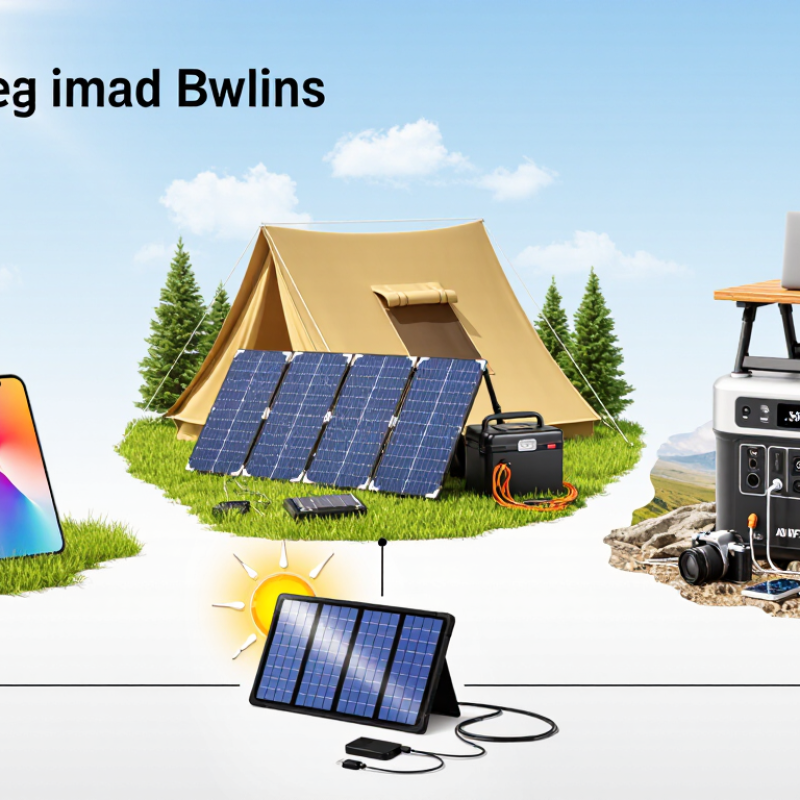
Solar power is no longer limited to rooftops. A compact Solar Energy Charger can top up a phone beside a tent, while a folding panel can feed a battery pack during a long outage. Larger portable power stations can support laptops, cameras, and small appliances. These products look similar online, but their panel size, battery capacity, output ports, and charging speed differ sharply.
The scale behind the technology is substantial. IRENA’s Renewable Capacity Statistics 2024 reports that global solar photovoltaic capacity reached about 1,419 gigawatts by the end of 2023. That figure measures installed solar capacity, not portable-charger sales, so the distinction matters. The International Energy Agency’s World Energy Outlook 2020 called solar “the new king of electricity markets around the world.” IEA Executive Director Fatih Birol was discussing electricity markets, not portable devices; still, the trend helps explain their growing visibility.
This guide compares the main charger types: integrated solar power banks, foldable panel-and-battery kits, and portable power stations with solar inputs. It also considers direct USB panels, which can charge a device in sunlight but may offer less predictable output. A shaded campsite, a cloudy afternoon, or a phone’s charging limits can change real-world performance. Sunlight is not a wall socket. Some product labels also make capacity comparisons confusing, so the largest number is not always the most useful one.
How Solar Energy Chargers Capture and Deliver Power
Solar energy chargers use photovoltaic cells to convert sunlight into electrical current. When light reaches the cells, it frees electrons and creates direct current. A charge controller regulates that flow before it reaches a battery or device. Keep it angled toward the sun. Small changes in shade or direction can noticeably reduce output.
What happens next depends on the charger’s design. A compact panel may feed a phone through a USB output, while a larger setup stores energy in a rechargeable battery. The battery supplies steadier power after clouds pass or daylight fades. Some chargers also include voltage regulation, which helps match the output to connected equipment. Check the device’s input requirements; a connector that fits does not always mean the electrical output is suitable.
The simple “sun in, power out” picture leaves out a few frustrating details. Heat, dust, and partial shade can all lower performance, and conversion losses are normal. A panel rated for bright test conditions may deliver less on a hazy afternoon. For reliable charging, place the panel in direct sunlight and keep cables secure. Still, estimates are only estimates. Actual output changes throughout the day.
Portable Solar Panel Chargers for Everyday Devices
What Are the Top Types of Solar Energy Chargers?
Portable Solar Panel Chargers for Everyday Devices
Portable solar chargers usually fall into three groups: foldable panels, compact panels with a built-in battery, and direct-output panels. Each suits a different routine. A foldable model can hang from a backpack during a hike, while a battery-equipped unit can charge a phone after sunset. Direct-output panels are lighter, but they need sunlight while your device is plugged in. Small differences matter.
For daily use, a panel with a power bank can be more convenient. It collects energy outdoors and stores it for later, such as during a commute or a power outage. Check that its output matches your device’s charging needs, and remember that advertised capacity does not always equal usable capacity. Heat, cable quality, and conversion losses can reduce what reaches your phone. Not always by a little.
A direct panel may work well on a sunny windowsill or picnic table, though moving clouds can interrupt charging. Keep the panel angled toward the sun and place your device in shade when possible; excess heat can affect battery performance. One practical limitation is easy to overlook: a small panel may take hours to refill a phone. Allow more time than you expect, and test the setup before relying on it for a full day.
Foldable Solar Chargers for Lightweight, Mobile Use
Foldable solar chargers are designed for people who need power away from an outlet without carrying a rigid panel. Their hinged sections pack into a compact bundle, then open across a picnic table, tent, or sunny patch of ground. Many models use built-in USB outputs, while some need a separate power bank to store energy for later. That distinction matters: a panel may produce power in sunlight, but it cannot reliably charge a device after dark on its own.
Weight and folded size are useful starting points, not the whole story. A light charger can be easy to carry yet awkward to position in wind. Check how it opens, whether it has attachment loops, and if its ports are protected from dust and splashes. Keep the panel angled toward direct sun, and move it as the sun shifts. Small adjustments can help. Still, clouds, shade, heat, and cable quality all affect real-world output, so advertised power is not a promise of constant charging speed.
For a day hike, a compact panel may keep a phone topped up when paired with a suitable battery pack. For longer trips, compare the pack’s capacity with your devices’ needs, and allow extra time for poor weather. A simple test at home helps: connect your usual cable, place the charger outdoors, and check whether the setup stays stable. It is not glamorous, but a loose connector can spoil an otherwise sunny afternoon.
Solar Power Banks with Built-In Energy Storage
Solar power banks with built-in energy storage combine a small photovoltaic panel with a rechargeable battery. The panel collects daylight; the battery stores electricity for later use. This is useful when a phone needs power after sunset or during a long walk. But the panel’s size matters. A compact panel may take hours of strong, direct sun to add a modest charge.
Check the battery’s watt-hour rating, output, and charging method before buying. The advertised capacity is not the same as the energy your device receives; conversion losses reduce usable power. Shade, clouds, and heat can slow charging too. A practical routine is to charge the bank from a wall outlet before leaving, then treat sunlight as a backup. That’s less exciting, but more dependable.
The wider energy-storage trend is growing: the International Energy Agency’s Batteries and Secure Energy Transitions report (2024) says global storage capacity must increase sixfold by 2030 in its net-zero pathway. That figure describes the whole energy system, not pocket-sized chargers. Meanwhile, IRENA’s Renewable Power Generation Costs in 2022 reports that utility-scale solar photovoltaic electricity costs fell 89% from 2010 to 2022. Falling costs do not guarantee a better portable charger, though. Tiny panels have limited area.
One honest drawback: solar charging can feel frustrating when the weather changes.
Solar Battery Chargers for Vehicles and Larger Batteries
Vehicle solar chargers usually serve two roles: maintaining a starter battery and replenishing a larger deep-cycle battery. A small panel can help offset a parked vehicle’s standby drain, but it is not a dependable jump-start source. Larger panels paired with a compatible charge controller suit RVs, boats, and cabin battery banks. Check battery voltage, chemistry, and controller settings before connecting anything. Lead-acid and lithium batteries do not share identical charging requirements. Small details matter.
Sizing needs more than a panel’s advertised wattage. NREL’s PVWatts documentation accounts for location, panel orientation, and system losses when estimating solar production; shade from a roof rack or nearby trees can reduce real output. The International Energy Agency’s Renewables 2024 report says solar PV made up about three-quarters of nearly 510 GW of renewable capacity added worldwide in 2023. That growth shows how widely solar is being deployed, not how quickly a particular battery will charge. A cloudy week changes the answer. It is easy to overestimate.
For vehicle use, choose a charger with weather-resistant construction and overcharge protection, then verify its output against the battery maker’s specifications. For larger batteries, compare daily energy use with realistic local sunlight and allow room for conversion losses. A wattage label alone cannot predict charging time. A simple usage log can help reveal whether the system keeps pace, though it may take a few weeks to see the pattern.
Top Types of Solar Energy Chargers for Vehicles and Larger Batteries
Typical rated solar-panel power ranges by charger type
Small maintainers are suited to keeping vehicle batteries topped up, while higher-wattage portable and larger-battery systems can provide more charging capacity. These are typical panel power ranges; actual output varies with sunlight, orientation, temperature, and the charge controller.