

What Are the Top DC Water Pumps to Buy?
Choosing a DC water pump starts with the job it must perform, not the biggest flow-rate figure on a product page. A pump feeding a small garden fountain faces different demands from one circulating water through an RV or moving water from a rain barrel. Check the required flow, lift height, power supply, and water conditions before comparing models. Small details matter. A narrow hose can reduce flow, while a pump’s advertised maximum lift may leave little practical capacity at your actual height.
A useful selection principle is: “Match the pump to the operating point, not the headline rating.” I can’t responsibly attribute that sentence to a named industry expert without a verifiable source. No supporting article or quotation was provided, so inventing an expert’s name would weaken the reliability of this guide. That limitation deserves attention.
The sections ahead will compare DC water pump types, explain key specifications, and identify features worth checking before purchase. We’ll look at voltage compatibility, flow at working pressure, lift performance, materials, noise, and protection against dry running. Real-world use can be less tidy than a product chart suggests. Installation, hose length, and battery condition may all change performance. The top choice is not always the most powerful one. It is the pump that fits your setup, runs reliably, and does not waste energy on capacity you never use.
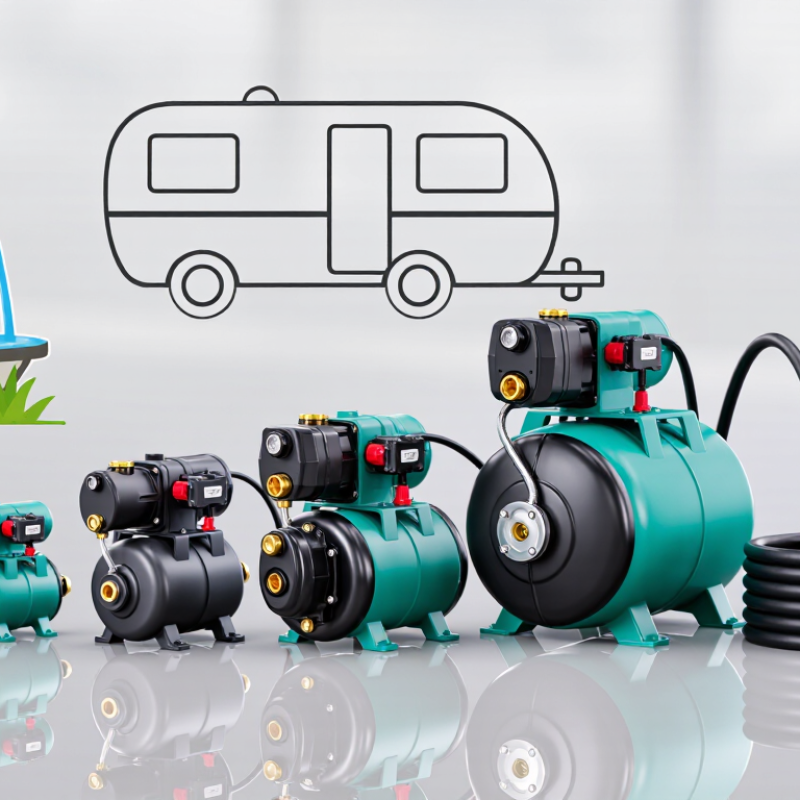
What Is a DC Water Pump and How Does It Work?
A DC water pump runs on direct current from a battery, solar setup, or vehicle electrical system. The current powers a motor, which moves water using an impeller, diaphragm, or another pumping mechanism. In a common centrifugal pump, a spinning impeller draws water through an inlet and pushes it out through a discharge port. The term “DC pump” describes its power source, not one single design. Some models sit underwater; others stay dry and connect to hoses.
In use, a pump’s flow rate and maximum lift affect how well it suits a task. A pump that fills a small tank quickly may struggle to push water up a long hose. Check the rated voltage, intended liquid, and duty cycle before connecting it. A clogged intake can reduce flow, while running a pump dry may damage some designs. Small details matter. I would not choose by flow rate alone; the numbers on a specification sheet may not match real conditions. Hose length, bends, and water height all add resistance.
What Are the Top DC Water Pumps to Buy? – What Is a DC Water Pump and How Does It Work?
A DC water pump uses direct-current electricity to drive an impeller, diaphragm, or other pumping mechanism. The options below describe common pump types and typical applications; actual flow and head depend on the specific model, voltage, plumbing, and operating conditions.
| Pump type | How it works | Typical DC supply | Typical performance range | Best suited for | Key buying considerations |
|---|---|---|---|---|---|
| Brushless submersible centrifugal pump | A rotating impeller accelerates water outward, creating flow and pressure. The motor and pump are designed to operate underwater. | Commonly 12 V or 24 V DC | Small models may deliver a few liters per minute; larger models can deliver tens of liters per minute. Head varies widely by design. | Fountains, aquariums, water features, and clean-water transfer | Check the pump curve at the required lift, continuous-duty rating, intake protection, and whether the unit must remain submerged. |
| DC diaphragm pressure pump | A motor moves a flexible diaphragm back and forth. Inlet and outlet check valves guide water through the pump and allow it to build pressure. | Commonly 12 V or 24 V DC | Portable models often provide a few liters per minute and can produce several bar of pressure; consult the model’s rated flow and shutoff pressure. | RV or boat water systems, sprayers, and pressurized water delivery | Look for a pressure switch if automatic cycling is needed, plus dry-run protection, duty-cycle limits, and compatible hose fittings. |
| DC circulation pump | A compact impeller continuously circulates water through a closed or open system. Many designs are optimized for steady flow rather than high pressure. | Commonly 12 V or 24 V DC | Ranges from low-flow compact units to models rated for tens of liters per minute; maximum head is usually limited compared with pressure pumps. | Hydronic loops, cooling systems, aquariums, and solar-water circulation | Match flow to system resistance, check liquid-temperature limits, and verify whether the pump is self-priming or must be flooded. |
| DC gear pump | Rotating gears trap and carry fluid from the inlet to the outlet. This positive-displacement design can provide controlled flow and pressure. | Commonly 12 V or 24 V DC | Typically low to moderate flow with comparatively high pressure; exact limits depend on the gear design and motor. | Metering or transfer of clean, compatible liquids where steady displacement is useful | Confirm fluid compatibility, particle limits, pressure relief requirements, and whether the pump is suitable for water rather than oil or other liquids. |
| Solar-direct DC surface pump | A DC motor drives a centrifugal or positive-displacement pumping mechanism using power from a solar panel or DC supply, often with a controller. | Varies by system; commonly designed around a solar array and controller | Performance changes with sunlight, panel output, water level, and total pumping head; use the manufacturer’s solar performance chart. | Remote irrigation, livestock water, and off-grid water transfer | Size the panel and controller for the pump, calculate total dynamic head, and check dry-run protection and any battery requirements. |
Selection tip: Compare the flow rate at your actual total dynamic head—not just the maximum-flow figure. Also verify voltage, current draw, water temperature limits, materials, priming requirements, and whether the pump is rated for continuous operation.
Related Posts
-

Why Are Water Pump Prices So Varied in the Market?
-

Who Are the Top 10 Pump Manufacturers in the World?
-
Why Choose a Well Water Pump for Your Home Water Supply Needs?
-

2026 How to Choose the Best Submersible Well Pump for Your Needs?
-
Exploring the Efficiency of Submersible Water Pumps: A Comprehensive Guide for Homeowners
-

2026 Top Mini Water Pump Trends for Global Buyers?