2025 Top 5 Well Pumps for Efficient Water Supply Solutions
In the quest for efficient water supply solutions, well pumps play a crucial role in various residential and agricultural applications. As reported by the Water Research Foundation, approximately 13% of households in the United States rely on private wells for their water supply, highlighting the importance of selecting the right pump for optimal performance. With the growing demand for sustainable and energy-efficient water systems, the landscape of well pumps is evolving, pushing manufacturers to innovate and deliver higher performance standards.
The effectiveness of well pumps is not only vital for providing a consistent water supply but also for ensuring energy efficiency. According to the U.S. Department of Energy, the energy consumption of residential water systems can account for up to 15% of a home’s total energy use. Thus, choosing a well pump that maximizes efficiency can significantly reduce both operational costs and environmental impact. In 2025, as homeowners and businesses continue to prioritize sustainability, understanding the best well pumps on the market becomes essential for achieving reliable water supply solutions. This article explores the top five well pumps that exemplify efficiency and reliability, setting the standard for water supply systems in the coming years.
Choosing the Right Well Pump for Your Water Supply Needs in 2025
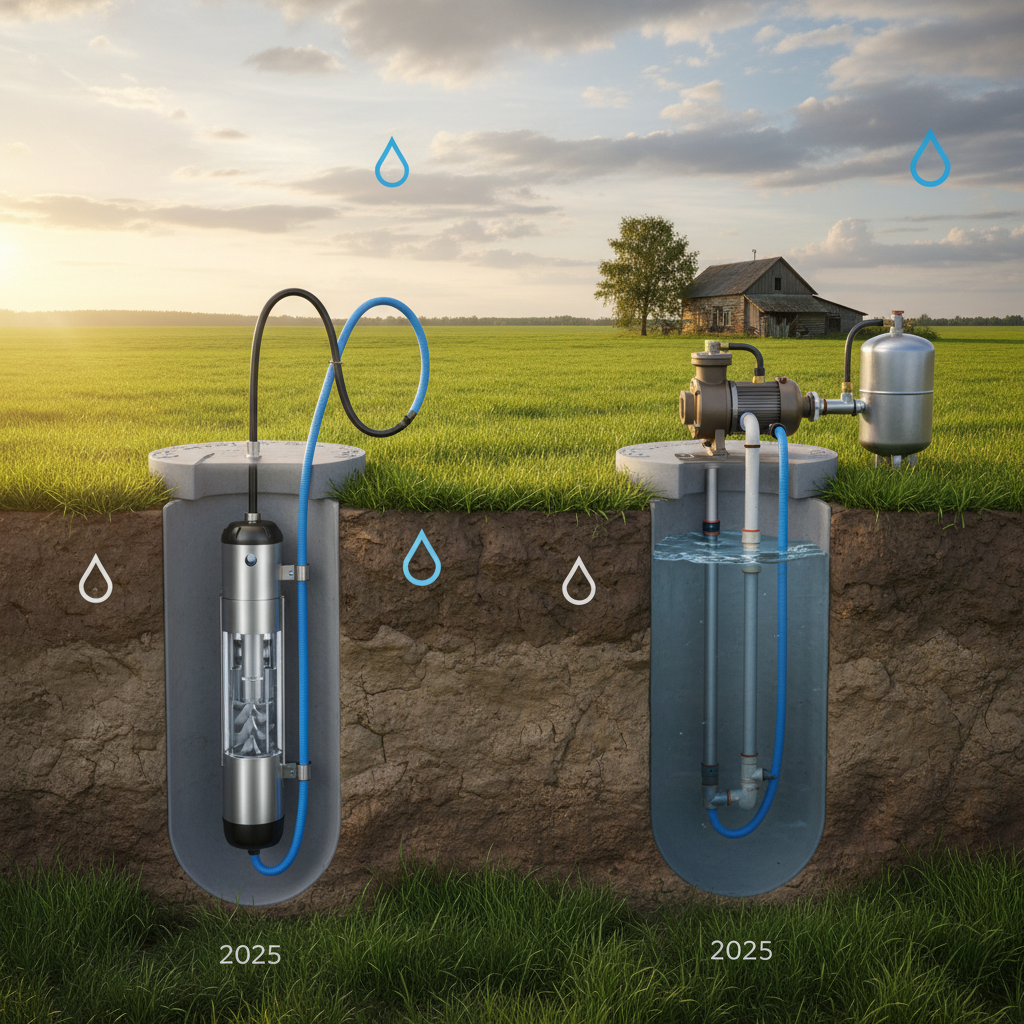
When selecting the right well pump for your water supply needs in 2025, it's crucial to consider factors such as efficiency, depth, and type of water source. Different situations demand different pump types; for instance, submersible pumps are ideal for deep wells, while jet pumps are better for shallower sources. Evaluating the water table depth and the amount of water you require daily can significantly influence your decision. Ensuring your chosen pump can meet both volume and pressure requirements will lead to a more consistent and reliable water supply.
Another key aspect to consider is the pump's energy efficiency. In 2025, many innovative models focus on reducing energy consumption while maintaining high performance levels. Investing in a pump that adheres to the latest energy efficiency standards can not only lower your utility bills but also contribute to a more sustainable environment. Furthermore, durability and maintenance should not be overlooked; select pumps constructed from high-quality materials to ensure longevity and minimize repair costs. Tailoring your choice based on these critical considerations will provide a well-rounded solution for your water supply needs.
Key Features to Look for in the Best Well Pumps for Efficiency
When selecting a well pump for efficient water supply, it's essential to evaluate key features that contribute to performance and energy savings. According to the U.S. Department of Energy, well pumps account for approximately 20% of total residential water usage; therefore, investing in an energy-efficient model can significantly reduce operational costs. Look for pumps with high efficiency ratings, such as those meeting Energy Star standards, which can help in optimizing consumption by up to 15% compared to conventional models.
Durability and material quality are also critical factors for performance longevity. Pumps made of stainless steel or thermoplastic are known to resist corrosion and wear better than others, ensuring a longer service life. Additionally, consider the pump’s flow rate and head capability: a pump that can deliver more gallons per minute (GPM) while maintaining an adequate lift height will provide superior performance for household needs. Reports from industry experts indicate that selecting a pump with variable speed drives can further enhance efficiency, enabling users to adjust performance based on real-time demands, thereby reducing energy usage and extending the lifespan of the system.
Comparing Different Types of Well Pumps and Their Applications
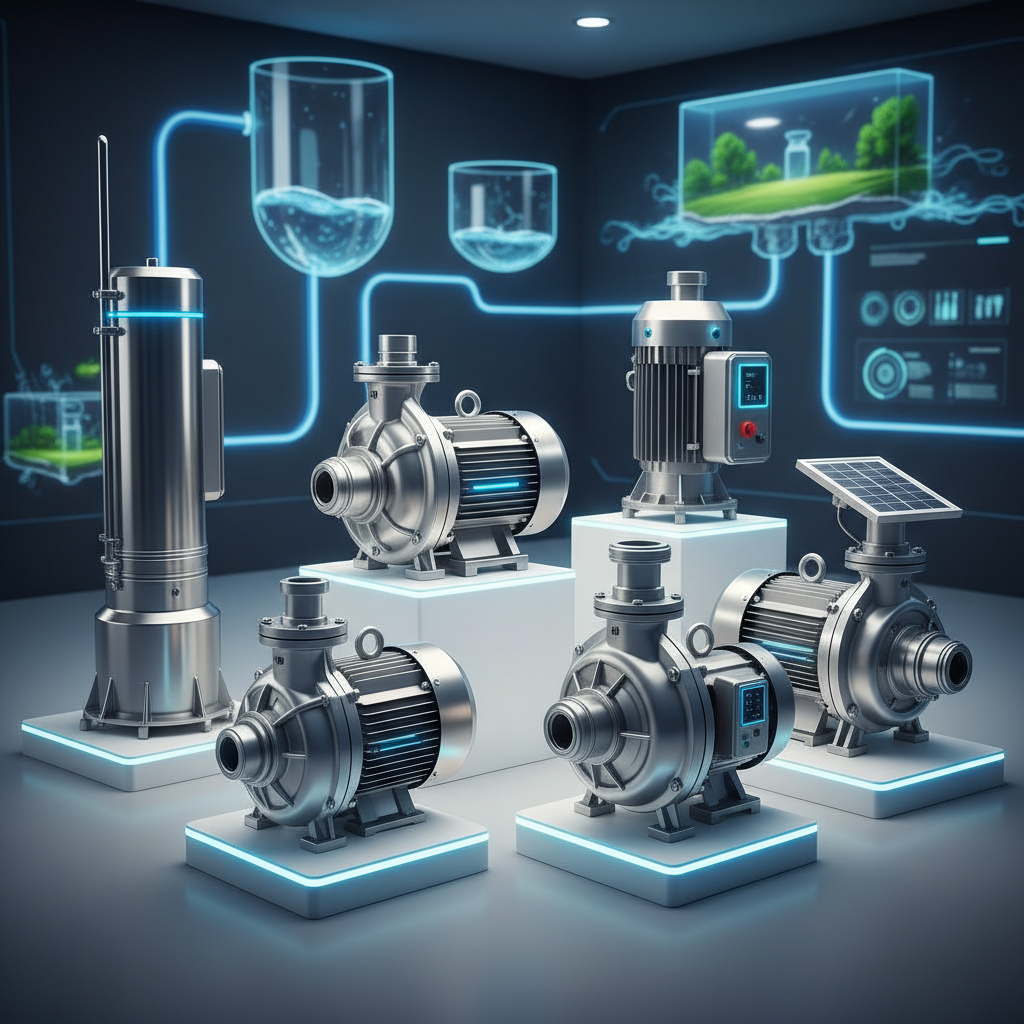
When considering efficient water supply solutions, choosing the right type of well pump is crucial for optimal performance and energy savings. There are several main types of well pumps—submersible, jet, and hand pumps—each suited for specific applications. According to the National Ground Water Association, submersible pumps are often recommended for deep wells, typically featuring an average flow rate of 5 to 25 gallons per minute, making them ideal for residential use where consistent water supply is necessary.
Jet pumps, on the other hand, are more suitable for shallow wells, generally up to 25 feet deep. They are more efficient at lower depths, but their effectiveness decreases significantly as the depth increases. An industry report from the Water Well Journal suggests that jet pumps can achieve flow rates between 3 to 15 gallons per minute, but require higher energy consumption compared to submersible options, particularly in deeper applications. Lastly, hand pumps, while less common, offer an eco-friendly solution for remote areas, providing a practical, power-free alternative for water access when pumping capacity is not a critical concern.
2025 Top 5 Well Pumps for Efficient Water Supply Solutions
| Pump Type |
Power Source |
Flow Rate (GPM) |
Max Depth (ft) |
Material |
Typical Applications |
| Submersible Pump |
Electric |
10-100 |
200+ |
Stainless Steel |
Residential, Agriculture |
| Jet Pump |
Electric |
5-40 |
120 |
Cast Iron |
Shallow Wells, Irrigation |
| Hand Pump |
Manual |
1-5 |
50 |
Galvanized Steel |
Emergency, Remote Areas |
| Solar Pump |
Solar Energy |
5-50 |
150 |
Plastic, Aluminum |
Eco-Friendly Solutions |
| Roller Pump |
Electric |
10-80 |
100 |
Plastic, Stainless Steel |
Agriculture, Fertilizer Application |
Installation Tips for Maximizing the Performance of Your Well Pump
When it comes to ensuring an efficient water supply from your well pump, the installation process plays a crucial role. Proper installation not only enhances the pump's performance but also extends its lifespan. Begin by selecting an appropriate location for your pump, ideally above the flood level and away from potential groundwater contaminants. This preventive measure safeguards both the functionality and the safety of your water supply.
Another essential tip involves thoroughly testing the well water quality before installation. Understanding the pH levels, mineral content, and potential pollutants can influence the choice of pump. Moreover, the depth of the well and the expected water demand should inform the type and size of the pump you select. Choosing the right pump will significantly impact its efficiency and your long-term satisfaction with the setup.
Finally, don’t overlook the importance of using high-quality materials during installation. Opt for durable hoses, fittings, and an appropriate pressure tank to minimize leaks and maintenance issues. Regularly inspecting these components post-installation can prevent minor issues from escalating into major problems, ensuring your well pump operates efficiently for years to come.
Maintenance Strategies to Ensure Longevity of Your Water Supply System
When it comes to maintaining the longevity of your water supply system, implementing effective strategies is crucial. Regular maintenance not only ensures the optimal functioning of your well pump but also helps prevent costly repairs in the future. One key aspect is to routinely check and clean the well water itself. Invest in water quality testing to identify any contaminants that could affect pump performance.
**Tips:** Schedule bi-annual inspections of your pump system. Look for signs of wear or unusual noises that might indicate issues. Additionally, keeping the area around your well clear of debris and avoiding heavy machinery near it can drastically reduce the risk of damage.
Another important maintenance strategy is to monitor your system's pressure and performance. Ensure that the pressure tank is functioning correctly, as irregular pressure levels could lead to system strain. Routine checks will help you catch problems early on.
**Tips:** Install a pressure gauge to easily track fluctuations. If you notice rapid pressure changes, it's essential to consult a professional to assess and address any potential concerns before they escalate.
2025 Top 5 Well Pumps for Efficient Water Supply Solutions
This chart represents the efficiency ratings (in liters per minute) of the top 5 well pumps for effective water supply in 2025. It highlights their performance levels, assisting in making informed decisions for maintenance strategies to ensure longevity of your water supply system.