Top 10 Tips for Choosing the Best Submersible Sump Pump for Your Home
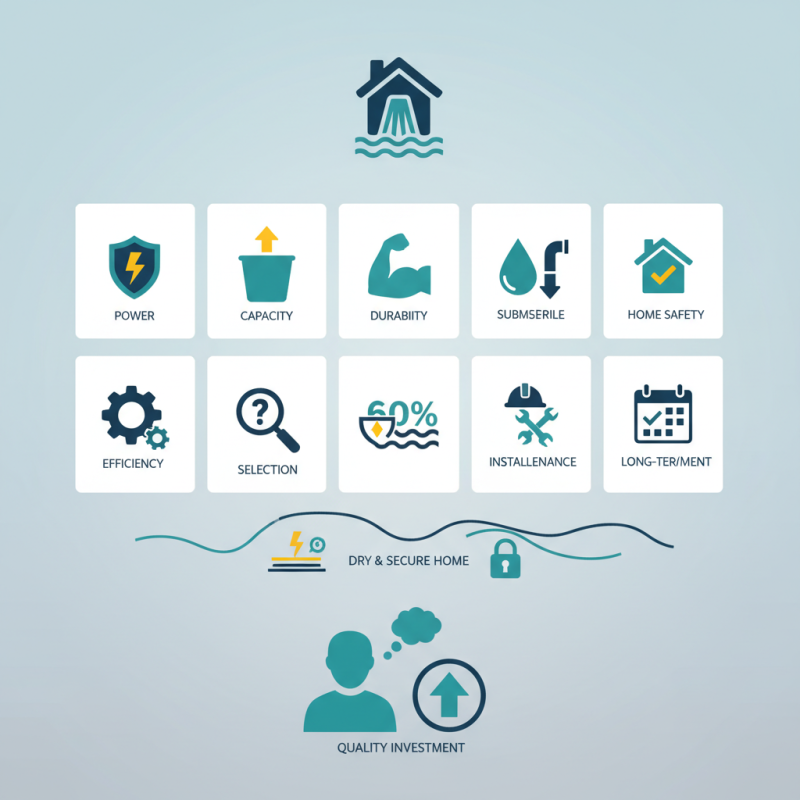
Choosing the right submersible sump pump is crucial for every homeowner. Flooding can lead to significant damage. According to the American Society of Home Inspectors, 60% of homes experience some water damage during their lifetime. A reliable sump pump helps prevent these costly issues.
Expert Tom Smith, a leading figure in the sump pump industry, emphasizes, "Investing in a quality submersible sump pump is an investment in your home’s safety." His insights underline the importance of proper selection. The market today offers diverse options. This variety can be overwhelming, making informed choices more vital than ever.
When selecting a submersible sump pump, consider factors like power, capacity, and durability. Remember, not all pumps are created equally. Homeowners should evaluate their unique needs and conditions. An incorrect choice can lead to inefficiency and even malfunction. Ultimately, the goal is to ensure that your home remains dry and secure, reinforcing the importance of careful selection.
Understanding the Importance of a Submersible Sump Pump for Homeowners
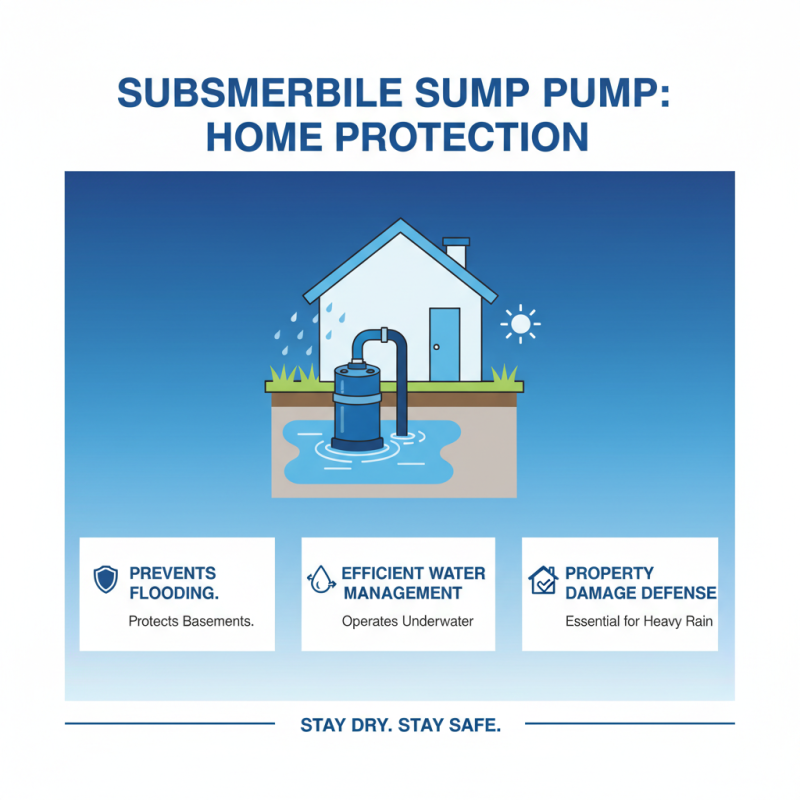
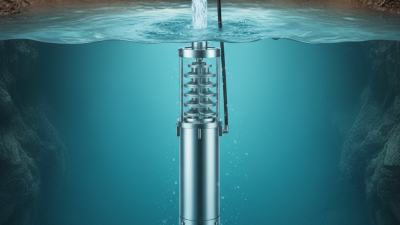
A submersible sump pump is essential for homeowners. It helps manage water effectively, preventing damage to your property. When a heavy rainstorm hits, basements can flood quickly. A reliable sump pump protects homes from this risk. The importance of a submersible sump pump cannot be overstated. It operates underwater, making it efficient in removing water.
When choosing a sump pump, consider the pump size. A pump that is too small won’t handle large volumes of water. Another tip is to check the horsepower. More horsepower usually means better performance and faster pumping. Look at the pump's materials. Durable materials extend the pump's life.
Noise level often gets overlooked. A noisy pump can be a nuisance. Pay attention to the installation process; bad installation can lead to problems. Lastly, think about the pump’s warranty. A longer warranty reflects better quality. Reflect on these aspects to find the best fit for your home.
Key Features to Look for in a Reliable Submersible Sump Pump
When choosing a reliable submersible sump pump, understanding key features is crucial. First, consider the pump's horsepower. A higher horsepower means more powerful performance. Typically, pumps range from 1/4 to 1 HP. Choose based on your home’s needs.
Next, look at the discharge size. Common sizes are 1.5 inches and 2 inches. A larger discharge allows for faster water removal. It’s important that the sump pump can handle your drainage demands effectively. Also, pay attention to the pump's materials. Durable materials resist corrosion and extend the pump's lifespan. Plastic and stainless steel are popular choices.
Another feature to keep in mind is the automatic float switch. This allows the pump to operate without manual intervention. However, some pumps may malfunction. Regular checks on the float switch are essential. Finally, consider the warranty offered. A good warranty indicates the manufacturer’s confidence in their product, yet a long warranty doesn’t always guarantee quality.
Evaluating Pump Capacity: GPM and Horsepower for Your Needs
When selecting a submersible sump pump, evaluating pump capacity is critical. You’ll often hear terms like GPM, or gallons per minute. This figure tells you how fast the pump can move water. It's essential for determining how well the pump will handle your specific needs. A higher GPM rating means increased efficiency, especially in heavy rainfall.
Consider your home’s unique requirements. Factors such as basement size and potential water volume matter. If you have a larger basement, a pump with higher horsepower is advisable. More horsepower generally translates to better performance and durability. However, stronger isn't always better; ensure it aligns with your actual needs.
A key tip is to research the required capacity before buying. Don’t just look at the maximum specifications. Instead, assess your average water influx. Understand your local climate impact. Sometimes, a pump with lower GPM may suffice. Make sure to weigh efficiency against potential costs. Remember, identifying the right pump can save you from future headaches.
Water Pump Capacity Comparison
This bar chart compares the capacity (measured in Gallons Per Minute) and horsepower of different submersible sump pumps. Selecting the right pump depends on your specific needs, such as the volume of water you expect to deal with and the power required for effective operation.
Material Types: Comparing Cast Iron vs. Thermoplastic Sump Pumps
When choosing a submersible sump pump, material matters.
Cast iron pumps are heavy and durable. They withstand harsh conditions well. However, their weight can complicate installation.
Ensure your basement layout can accommodate it.
Thermoplastic pumps offer a lighter alternative.
They are easier to handle and install. They resist rust and corrosion effectively. Yet, they may not be as long-lasting compared to cast iron.
Consider your environment before making a choice.
When selecting a pump, assess your needs carefully. Consider the volume of water you deal with during heavy rainfall.
Look into the pump's power and efficiency ratings.
Durability should not be overlooked, even if a pump appears cheaper.
A bit more investment now can save you from future repairs or replacements.
Assessing Installation Requirements and Maintenance Tips for Longevity
When selecting a submersible sump pump, understanding installation requirements is crucial. A good fit ensures efficiency and longevity. According to a report by the American Society of Home Inspectors, improper installation is a leading cause of sump pump failure. Ensuring the proper size and type of pump for your basement is essential. Measure the depth of your pit and assess the volume of water you expect during heavy rain.
Another key aspect is regular maintenance. Reports indicate that 90% of sump pump issues can be prevented with simple upkeep. Check the pump’s float switch to ensure it moves freely. Clean out any debris that may clog the pump. If your pump is submerged in a well or a pit, perform periodic checks for wear and tear. It's also wise to test your pump periodically by pouring water into the pit. This simple act can save you from disaster during intense storms.
Longevity is affected by factors like usage and environment. Sump pumps in humid areas might need more frequent attention. Understanding these details can lead to better performance. Being proactive rather than reactive can save homeowners significant costs in repairs. A little effort in maintenance can extend the life of your sump pump significantly.
Top 10 Tips for Choosing the Best Submersible Sump Pump for Your Home
| Tip Number |
Tip |
Details |
| 1 |
Determine the Pump Size |
Calculate the volume of water to be removed to select an appropriate pump capacity. |
| 2 |
Check the Pump Power |
Ensure the pump has sufficient horsepower for your needs. |
| 3 |
Look for a Thermoplastic or Cast Iron Pump |
Choose materials that affect durability and weight. |
| 4 |
Consider the Head Height |
Select pumps that can handle the vertical distance water needs to be pumped. |
| 5 |
Assess the Float Switch Type |
Choose between tethered, vertical, or electronic float switches for optimal operation. |
| 6 |
Evaluate the Discharge Size |
Larger discharge sizes tend to be more effective in handling higher volumes of water. |
| 7 |
Look for Energy Efficient Models |
Energy-efficient pumps can reduce operational costs over time. |
| 8 |
Check for Warranty and Customer Support |
A strong warranty indicates confidence in the product's durability. |
| 9 |
Plan for Regular Maintenance |
Regular checks can prevent failures and prolong pump life. |
| 10 |
Seek Professional Installation if Necessary |
Professional help can ensure a proper and safe setup. |