Essential Tips for Choosing Control Components in Your Design?
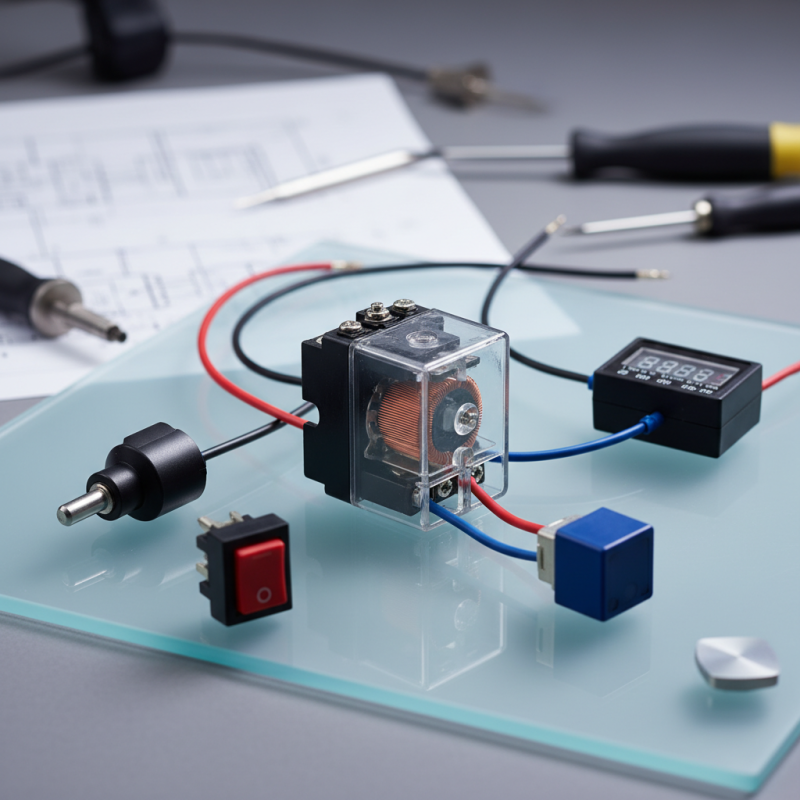
Choosing the right Control Components is crucial for any design. These components influence performance, reliability, and efficiency in electrical systems. Control components include relays, sensors, switches, and timers, which each have different specifications and capabilities.
When selecting control components, consider factors like voltage, current, and environmental conditions. The right specifications can enhance device longevity and reduce failures. However, it's easy to overlook these details. A small mistake can lead to operational issues.
Additionally, understand the requirements of your application fully. Analyzing how a component fits into your design helps prevent complications later. Control components must align with both functionality and design aesthetics. Each choice impacts the overall system, thus requiring careful thought and attention.
Understanding Control Components: An Overview
When designing a control system, understanding control components is crucial. These components include sensors, actuators, and controllers. Each plays a vital role in the performance and efficiency of the system. Sensors gather data about the environment while actuators perform actions based on controller signals. A simple miscalculation in these parts can lead to system failures.
Choosing the right components can be challenging. Various factors come into play, such as compatibility and reliability. It's easy to overlook the importance of each part. For instance, a subpar sensor can compromise the entire control loop. Testing and validation are essential. Real-world scenarios may reveal flaws that theoretical calculations cannot predict. Observing how components interact in practice helps refine the design.
Inexperienced designers may rush into selecting components. They might focus solely on specifications without considering context. Balancing cost and quality is often a struggle. It's important to remember that a cheaper option can lead to higher costs later on. Reflection on past projects can provide insight into better choices. Each decision shapes the overall outcome of the system, making thoughtful consideration vital.
Criteria for Selecting the Right Control Components
Choosing the right control components is crucial for effective designs. Various factors influence this decision. The first aspect to consider is performance. Control components should meet specific operational metrics. According to a 2022 industry report, 70% of design failures stem from improper component selection. This statistic underscores the importance of rigorous evaluation.
Another key criterion is compatibility. Components must integrate well with existing systems. An inadequate fit can lead to inefficiency or even failure. A survey revealed that 55% of engineers faced issues due to compatibility gaps. Designers should conduct thorough testing during the selection process. This often includes simulations and prototypes that help predict performance in real-world applications.
Cost is also a significant factor. While cheaper options may seem appealing, they often lack reliability. A study found that 60% of low-cost components failed prematurely. Investing in quality can mitigate long-term costs and failures. Engineers need to reflect on their choices continuously. Balancing cost against reliability is a constant challenge. Ultimately, making informed decisions is key to a successful design.
Evaluating Component Compatibility and Performance
When designing a system, component compatibility is crucial. Misalignment can lead to inefficiencies. A report from the International Electrotechnical Commission highlights that over 30% of design failures stem from incompatible parts. This shows the importance of rigorous evaluation.
Evaluate the technical specifications carefully. Look for voltage ratings, current capacities, and thermal limits. Many components may look similar but can perform differently under stress. For instance, a component’s lifespan drastically decreases if it's consistently pushed beyond its rated limits. Charts indicate a potential 50% reduction in lifespan under these conditions.
Performance metrics like switching speed and response time also matter. These affect the overall system efficiency. Lower performance can lead to heat buildup, affecting neighboring components. A recent study showed a 25% efficiency drop in systems with poorly matched control components. Be critical of your choices, and remember that a small oversight in compatibility can create significant issues down the line.
Essential Tips for Choosing Control Components in Your Design
| Component Type | Compatibility | Performance Rating | Typical Use Case |
| Microcontroller | High | 8/10 | Embedded Systems |
| Sensor Module | Moderate | 9/10 | Environmental Monitoring |
| Power Supply | High | 7/10 | Industrial Applications |
| Actuator | Moderate | 8/10 | Robotics |
| Display Module | High | 8/10 | User Interfaces |
Cost Considerations in Control Component Selection
When selecting control components, cost plays a crucial role. Every project has a budget. Staying within this budget is essential. Yet, quality should not be compromised. A low-cost component might lead to failures. In the long run, this can increase expenses, negating initial savings.
Consider the lifespan of components. Cheaper options may wear out faster. This means replacements and downtime. It's better to invest a bit more upfront. Evaluate the total cost of ownership instead of just the initial price.
Here are a few tips. Always request samples before purchasing. Testing components can reveal hidden issues. Check for compatibility with existing systems. If components are not compatible, costs may rise. Finally, think about scalability. Choose components that can evolve with your design. This foresight can save you money down the line.
Future-Proofing Your Design with Flexible Components
When designing control systems, flexibility is key. Future-proofing involves selecting components that adapt to changing technologies. The pace of innovation is relentless. You never know what advancements will come next. This uncertainty requires a forward-thinking approach.
Consider modular components. They allow for easy upgrades or replacements without overhauling the entire system. Look for designs that permit expansion. Imagine adding new features without starting from scratch. This can save time and resources down the line.
Don’t overlook compatibility too. A mix of technologies often leads to integration challenges. Assess potential conflicts early in the design phase. Asking the right questions can prevent future headaches. It's crucial to balance current needs with future possibilities. Reflect on how your choices today will shape tomorrow's designs.