

Our Blog
Check out our innovative pump solutions and industry insights to see what's new in the pumping industry. Stay up to date with the latest trends and news in the world of pumping technology by following our pumping technology blog.
- Home
- Blog
Essential Tips for Choosing a Cryogenic Gearbox?
Choosing the right Cryogenic Gearbox is vital for efficient industrial applications. These gearboxes operate in extreme temperatures, often below -150 degrees Celsius. Therefore, understanding their unique requirements is crucial.
Cryogenic environments can be challenging. Traditional gearboxes may fail under such conditions. That’s why selecting a reliable Cryogenic Gearbox is essential. Consider factors like material durability and performance stability. These gearboxes should withstand thermal contractions without compromising efficiency.
Moreover, not all gearboxes are created equal. Some may have advantages in specific applications. It's essential to evaluate technical specifications thoroughly. Seek expert opinions and real-life testimonials to guide your choice. Ultimately, the right Cryogenic Gearbox can enhance performance and safety.
Understanding Cryogenic Gearboxes and Their Applications
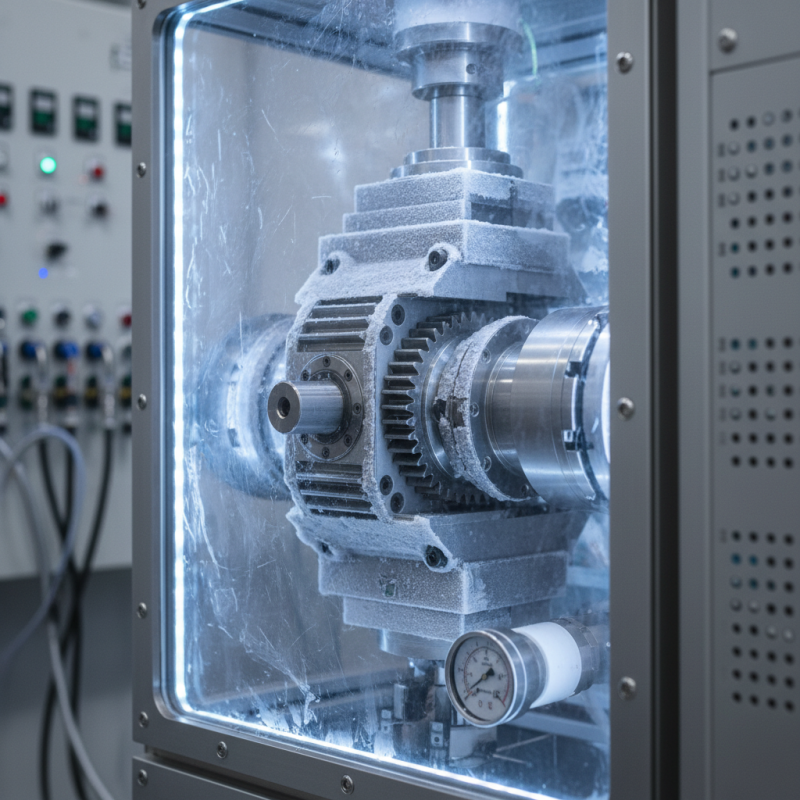
Cryogenic gearboxes are vital in various industries. They operate effectively in extreme temperatures, below -150°C. These environments are typical in liquefied natural gas (LNG) applications and space exploration. Understanding their function helps in selecting the right gearbox.
When choosing a cryogenic gearbox, consider material selection. Components must withstand low temperatures without deforming or breaking. Stainless steel and certain alloys are often preferred for their durability and resistance to thermal shock. Be aware that not all lubricants perform well in extreme cold. Specific greases and oils are designed for low-temperature operation.
Additionally, the gearbox's design must accommodate thermal expansion. Components may contract or expand drastically, impacting performance. Proper alignment and fitting are crucial. Users often overlook these factors, leading to premature failure. Regular inspections and maintenance help prolong lifespan and ensure reliability. Adjusting preferences based on real-world experience can lead to improved outcomes in your operations.
Key Features to Look for in Cryogenic Gearboxes
When selecting a cryogenic gearbox, consider performance and durability. The operating temperature range is crucial. Most applications require gearboxes that function reliably at temperatures down to -196°C. Materials used should withstand extreme conditions without losing structural integrity. Stainless steel and specialized alloys are often preferred for their resistance to brittleness.
Look for efficiency ratings. High-efficiency gearboxes reduce energy losses, maximizing overall system performance. According to industry reports, cryogenic systems can achieve energy savings of up to 15% with the right gearbox. Noise levels matter too. In sensitive environments, quieter operation supports ergonomic conditions and compliance with regulatory standards.
Maintenance access is another significant feature. Gearboxes should allow for easy inspection and repairs to minimize downtime. Studies indicate that an efficient maintenance routine can extend the life of gearboxes by up to 30%. Reflect on these elements carefully. They impact performance, reliability, and cost-efficiency in cryogenic applications.
Essential Tips for Choosing a Cryogenic Gearbox
This chart illustrates essential features to consider when selecting a cryogenic gearbox. The temperature range, load capacity, efficiency, lubrication type, and operating speed are critical aspects that can impact performance and suitability for various applications in cryogenic environments.
Material Selection for Optimal Performance in Cryogenic Environments
When selecting materials for cryogenic gearboxes, it's crucial to consider how they will perform in extreme temperatures. Traditional materials may become brittle and lose strength at cryogenic levels. Therefore, specialized alloys and composites are often recommended. These materials offer improved toughness and reliability.
The choice of lubrication also plays a vital role. Standard lubricants can freeze or degrade in cold environments. Selecting synthetic lubricants designed for low temperatures can enhance gearbox efficiency. It’s important to ensure compatibility with the chosen materials.
However, even with the best selections, failures can occur. Engineers must test materials thoroughly under simulated conditions. Real-world applications can differ from laboratory tests. Continuous monitoring and adjustments may be necessary to maintain optimal performance. This reflection on material choice is essential for long-term success in cryogenic applications.
Evaluating Efficiency and Reliability in Cryogenic Gear Systems
When evaluating cryogenic gear systems, efficiency and reliability are paramount. Many industry reports indicate that cryogenic applications operate under highly specific conditions. For instance, peak efficiencies can be achieved at temperatures around -196°C. This necessitates precise engineering to maintain performance while ensuring durability. Research shows that slight design changes can significantly affect energy loss.
Reliability is often tested under extreme conditions. A study from the International Journal of Engineering shows that gearboxes can experience life cycles of 15,000 hours in cryogenic environments. However, many systems fail due to inadequate lubrication or incorrect material choices. Unexpected failures can disrupt whole processes and lead to high operational costs.
Choosing the right materials is essential. Components should have low thermal expansion coefficients. This can mitigate distortion under extreme cold. Experts recommend regular maintenance checks. A study has suggested that 20% of gear failures stem from oversight during routine inspections. Attention to these details can lead to more efficient and reliable operations.
Essential Tips for Choosing a Cryogenic Gearbox
| Criterion | Importance | Key Features | Efficiency Rating | Reliability Score |
|---|---|---|---|---|
| Material Strength | High | Stainless Steel | 90% | 95% |
| Operating Temperature Range | Critical | -196°C to 20°C | 85% | 90% |
| Lubrication System | High | Cryogenic Grease | 88% | 92% |
| Gear Ratio | Moderate | 1:4 Variants | 80% | 85% |
| Sealing Components | Critical | Custom Seals | 95% | 98% |
Cost Considerations and Budgeting for Cryogenic Gearbox Projects
When embarking on a cryogenic gearbox project, budget considerations are paramount. Understanding the unique demands of cryogenic environments can influence costs significantly. Components need to withstand extreme temperatures and additional insulation may be required. These factors drive up the initial purchasing price. Allocating funds appropriately is crucial to ensure project success.
Labor costs also play a vital role in budgeting. Experienced professionals are essential for installation and maintenance. Finding skilled workers may require higher wages, increasing overall expenses. It’s important to weigh these costs against long-term savings. Proper planning can help in avoiding unexpected financial burdens during the project.
In addition to direct costs, consider contingency planning. A 10-15% buffer can mitigate unforeseen expenses. Projects can shift, and delays may require extra resources. Reviewing the budget throughout the project will ensure alignment with financial goals. Regular assessments can prevent overspending and keep the project on track.