What is a submersible well pump and how does it work?
A submersible well pump is a powerful tool utilized in various industries, from agriculture to municipal water systems. These pumps operate underwater to efficiently draw groundwater from wells. According to the National Ground Water Association, approximately 15 million households in the U.S. depend on groundwater, highlighting the significance of reliable pumping systems.
The demand for submersible well pumps has risen, driven by advancements in technology and an increased focus on water accessibility. A report by Research and Markets indicates that the global submersible pump market is projected to reach $13.4 billion by 2025. This growth reflects not only the need for efficient water management but also the drive toward sustainable solutions.
However, challenges persist. Many users face issues like pump failure or inefficiency, often due to improper installation or maintenance. Understanding how a submersible well pump functions can help mitigate these problems. It's essential to raise awareness about proper usage and the importance of regular inspections to enhance efficiency and longevity.
What is a Submersible Well Pump?
A submersible well pump is a vital piece of equipment for extracting water from deep underground. These pumps are designed to operate underwater, making them effective for deep wells. Unlike surface pumps, submersible pumps push water to the surface instead of pulling it. This unique design prevents issues with air pockets and can efficiently handle a significant volume of water.
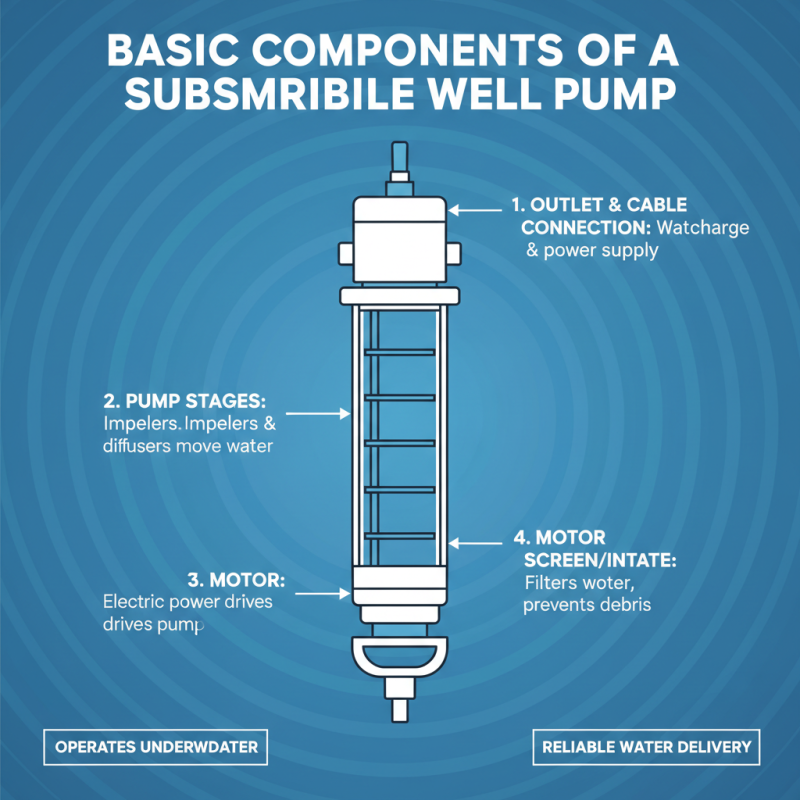
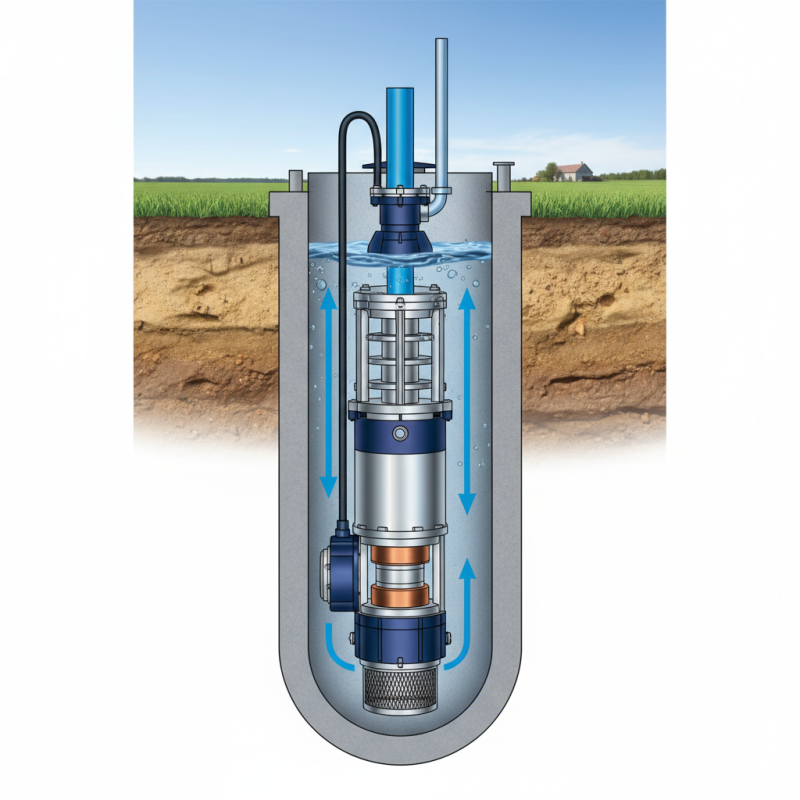
The operation of a submersible well pump relies on a series of components. A motor located at the top drives an impeller that pushes water through the pump and up to the surface. When installed properly, these pumps can be very reliable. However, maintenance is crucial. A neglected pump can suffer from issues like stagnation and clogs, which can affect water quality.
Tips: Regular inspections can keep your pump running smoothly. Check for unusual sounds, vibrations, or decreased water flow. Make sure the power supply is consistent and that the connections are secure. If problems arise, consult a professional. Ignoring small issues can lead to larger, costly repairs down the road. You may need to reflect on your maintenance schedule to ensure everything functions well.
Submersible Well Pump Performance Comparison
How a Submersible Well Pump Operates
Submersible well pumps are vital tools for extracting groundwater. They are designed to be submerged underwater. Their unique structure allows them to efficiently pump water up from deep within the earth. This operation involves a motor coupled to a series of impellers. These impellers are critical for creating pressure, pushing water to the surface.
When considering how a submersible pump operates, it's essential to note its components. The motor, sealed in a casing, powers the pump. This prevents water from damaging the mechanical parts. The pump itself consists of multiple stages. Each stage enhances pressure and accelerates flow. However, not all installations are perfect. Issues can arise from improper positioning or inadequate power supply. These details can significantly impact performance and longevity.
Moreover, regular maintenance is necessary. Ensuring the motor is functioning optimally can prevent future problems. Users often overlook simple tasks like checking for blockages. Neglecting these can lead to decreased efficiency. Understanding these operational nuances helps in making informed decisions about well water systems. Proper knowledge can significantly enhance performance and reliability.
Advantages of Using Submersible Well Pumps
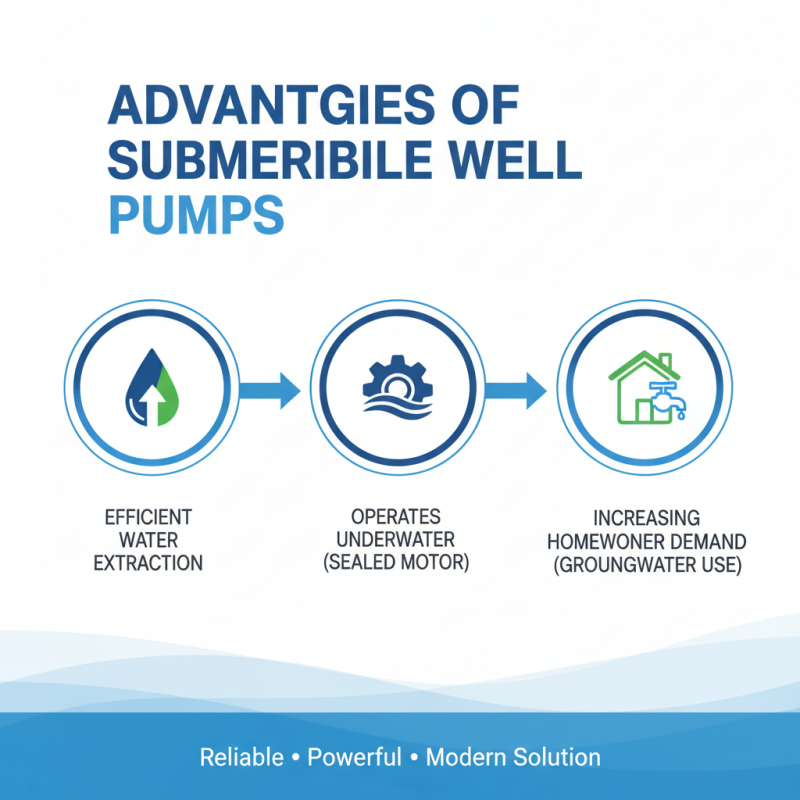
Submersible well pumps are efficient tools for extracting water from depths. They operate underwater, utilizing a sealed motor to push water to the surface. With more homeowners opting for groundwater use, the demand for these pumps is on the rise.
One significant advantage of submersible well pumps is their energy efficiency. According to the U.S. Department of Energy, these pumps can use 80% less electricity than traditional pumps. This translates to considerable savings over time. Additionally, they are less likely to lose prime. Unlike surface pumps, submersibles remain submerged, reducing the risk of air becoming trapped in the system.
Durability and versatility are other key benefits. Most submersible pumps are made from corrosion-resistant materials. This ensures longer lifespan, even in harsh environments. They can also handle deeper water levels, making them suitable for various applications. However, installation can be complicated and may require expert assistance. Choosing the right pump based on water needs can be challenging. It’s essential to assess flow rates and depth accurately to avoid inefficiency.
Common Applications for Submersible Well Pumps
Submersible well pumps serve vital roles in various settings, making them essential for effective water management. These pumps operate by being submerged in water, drawing fluid through an intake screen. This design allows them to be reliable and efficient, particularly in deep wells where other pump types might struggle.
Common applications of submersible well pumps include residential water supply, irrigation systems, and agricultural uses. Homeowners often utilize them to access groundwater for drinking and household needs. In farming, these pumps ensure a consistent water supply for crops, maintaining productivity even in challenging weather conditions. They can also be found in industrial applications, where large quantities of water are necessary for cooling processes or machinery maintenance.
Tips: When selecting a submersible pump, consider factors like depth, flow rate, and power source. It’s wise to install a protective casing to prevent debris from entering the pump. Regular maintenance is crucial; check for wear and tear to ensure efficiency.