Why Choose a Submersible Water Pump for Your Needs?
Choosing the right water pump can be challenging. The submersible water pump stands out due to its efficiency and versatility. According to a report by Market Research Future, the submersible water pump market is projected to reach USD 8.34 billion by 2025. This growth reflects a strong demand in various sectors, including agriculture and construction.
Expert Jamie Thompson, a leading figure in the water pump industry, states, "The submersible water pump is crucial for reliable water management systems." These pumps operate underwater, offering advantages in space-saving and energy efficiency. Moreover, they reduce the risk of cavitation. Yet, not all submersible pumps are created equal. Users must consider specific needs, including flow rate and depth.
Purchasing a submersible water pump requires careful thought. Longevity and maintenance play a role in overall satisfaction. Some models may struggle with heavy sediment or require more frequent servicing than anticipated. Investing in the right pump is essential for lasting performance and operational success.
Understanding Submersible Water Pumps: An Overview
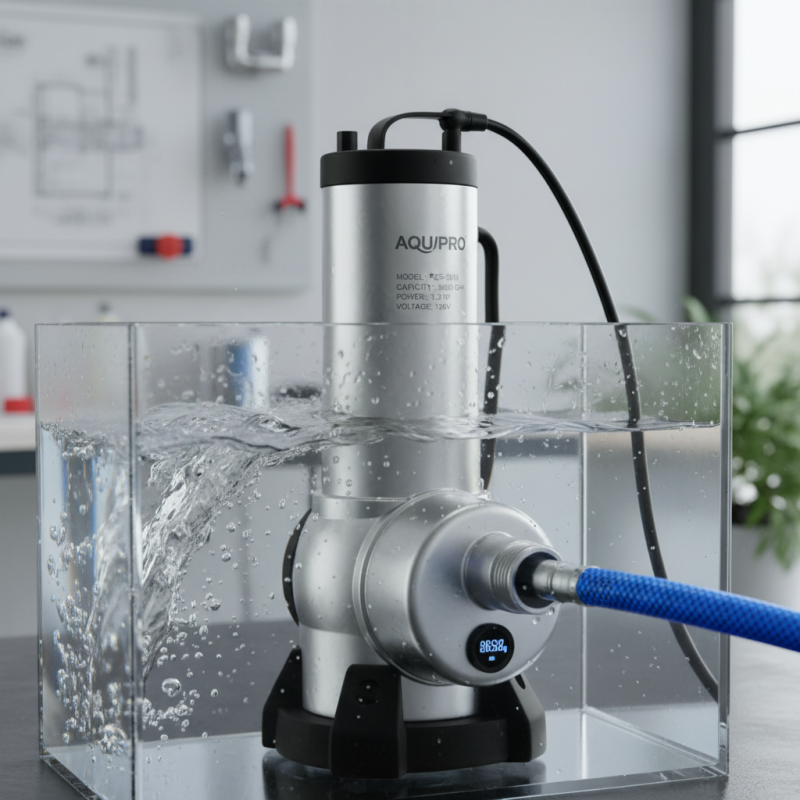
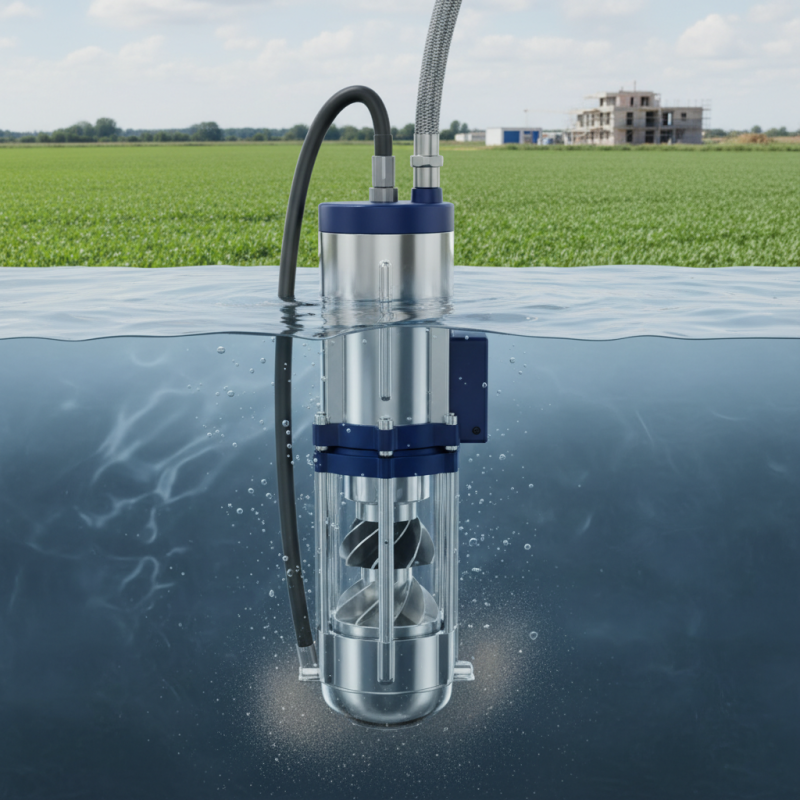
Submersible water pumps are essential tools for various tasks. They are designed to work while submerged in water. This unique feature provides efficient operation and reduces noise. These pumps are often used in residential basements, construction sites, and agricultural settings. They handle everything from groundwater removal to irrigation needs.
Understanding how these pumps operate is crucial. A submersible pump has an electric motor enclosed in a waterproof casing. This design protects the motor and enhances its lifespan. The impeller mechanism draws water into the pump and forces it upward. The process seems simple, yet factors like head height and flow rate can complicate things. Choosing the wrong pump can result in inefficiency or damage.
Reflecting on the benefits and challenges of submersible pumps is important. While they are efficient, they can be sensitive to debris in the water. Maintenance is often overlooked, leading to pump failures. It’s vital to consider installation depth and power source, as these play a significant role in performance. With careful thought and planning, submersible pumps can effectively meet water movement needs.
Submersible Water Pump Efficiency Comparison
This chart illustrates the efficiency of submersible water pumps at various flow rates. As the flow rate increases, the efficiency of the pump typically also increases, demonstrating the effectiveness of submersible pumps in handling different volumes of water.
Key Advantages of Using Submersible Water Pumps
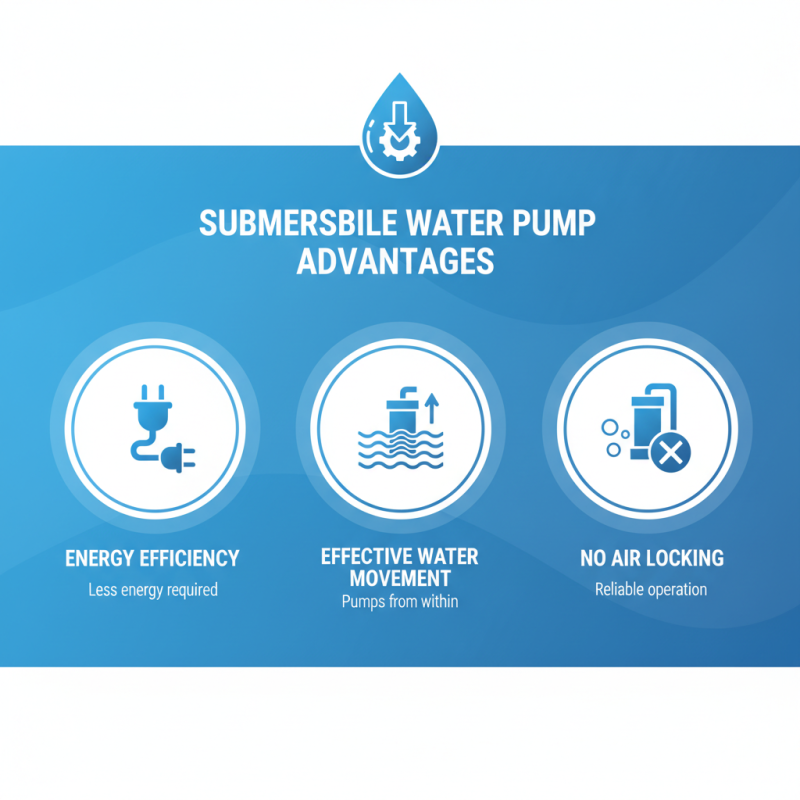
Submersible water pumps offer unique advantages that make them an ideal choice for various applications. One of their primary benefits is efficiency. Unlike surface pumps, submersible pumps operate while submerged in water. This positioning allows them to move water more effectively and requires less energy. Their design also reduces the risk of air locking, a common issue with traditional pumps.
Another notable advantage is versatility. Submersible pumps can handle different types of fluids. They work well for draining, groundwater extraction, and even sewage removal. This adaptability makes them suitable for residential and industrial needs. However, some users may overlook the importance of choosing the right size and capacity. A pump that is too small may struggle with large volumes, while an oversized model can waste energy.
Maintenance is another consideration. Submersible pumps can be challenging to access once installed. Regular checks and upkeep are essential to prevent issues. Not paying attention to this can lead to costly repairs. It’s crucial to have a plan for maintenance and replacement. Ignoring these factors could negate the benefits of using a submersible pump. Understanding these details can lead to more effective use and improved results.
Different Applications for Submersible Water Pumps
Submersible water pumps are versatile tools used in various applications. They excel in draining flooded areas. According to a recent industry report, around 80% of submersible pumps are used in residential settings. In basements or flooded fields, these pumps can efficiently remove water. Their compact design enables easy operation in confined spaces.
Agricultural use is another significant application. Farmers rely on submersible pumps for irrigation. Studies show that these pumps can enhance water distribution efficiency by up to 30%. In regions facing water scarcity, they become crucial for sustainable farming practices. This efficiency can lead to cost savings and higher crop yields. However, purchasing decisions should consider the specific needs of the crop and local conditions.
Construction sites also benefit from submersible pumps. They help manage groundwater levels during excavation. This prevents water accumulation and ensures worker safety. The right pump can significantly reduce downtime on projects. Yet, improper installation can lead to issues. Reliability and maintenance of the pump are often overlooked. That can result in unexpected costs and project delays.
Why Choose a Submersible Water Pump for Your Needs? - Different Applications for Submersible Water Pumps
| Application |
Description |
Capacity (Gallons/Hour) |
Head Height (Feet) |
| Residential Draining |
Used for draining basements and flooded areas. |
1200 |
30 |
| Wastewater Management |
For lifting and transferring wastewater. |
800 |
25 |
| Irrigation |
Used for watering lawns and gardens. |
1500 |
20 |
| Construction Sites |
For dewatering excavations and site preparation. |
2000 |
40 |
| Fish Farms |
For circulating water and maintaining quality in aquaculture. |
1000 |
15 |
Factors to Consider When Choosing a Submersible Water Pump
Choosing the right submersible water pump requires careful consideration of various factors. One of the main aspects is the pump's power and capacity. Industry data suggests that based on specific applications, such as drainage or deep well usage, the required flow rate can vary dramatically. For instance, a typical residential water pump might need 1,500 to 3,000 gallons per hour for average tasks.
Another crucial consideration is the pump's material. Pumps made from durable materials like stainless steel can withstand corrosive environments better than those made from plastic. This is especially important in industrial applications, where longevity is vital. Additionally, consider the pump's horsepower. A higher horsepower often equates to better performance, but this can also lead to increased energy costs over time.
Tips: Look for energy-efficient models. Though they may have a higher initial price, they can save on electricity bills. Evaluate the total cost, not just the upfront price. Also, ensure regular maintenance to prevent costly repairs later.
Be mindful of the noise level as well. Some pumps can be quite loud, which could be disruptive in residential settings. It’s essential to balance performance and comfort. Remember, selecting an appropriate submersible pump can significantly impact your project's efficiency and overall satisfaction.
Maintenance Tips for Submersible Water Pumps
Maintaining a submersible water pump is crucial for its longevity. Regular inspections can prevent unexpected failures. Check the power supply frequently. Ensure the pump is properly submerged. If it is partially exposed, it can overheat. This simple oversight might lead to costly repairs.
Cleaning the pump is also essential. Debris can clog the intakes, leading to reduced performance. Take time to remove dirt and sediment. Regularly clear any blockages in the pump’s filter. Doing this may seem tedious but prevents significant issues down the line.
Monitor the pump's performance. Unusual noises or vibrations often indicate problems. Address these signs early to avoid major breakdowns. Document any maintenance work. This record can help identify patterns and recurring issues. It’s important to reflect on past mistakes and improve maintenance practices. Small changes can lead to better efficiency and a longer lifespan for your pump.