What is a Small Water Pump? Types, Uses, and Buying Guide Explained
In today's rapidly evolving landscape of water management solutions, the "small water pump" emerges as a vital tool for a variety of applications, ranging from irrigation to aquariums. According to a recent industry report by Global Market Insights, the small water pump market is projected to grow at a CAGR of 5.4% over the next five years, reflecting the increasing demand from agricultural and residential sectors. This rise is indicative of the critical role that efficient water handling plays in sustainability efforts and resource management.
As noted by Dr. Emily Grant, a leading expert in fluid dynamics, "Small water pumps are indispensable not just for their efficiency but also for their ability to adapt to diverse operational environments." Her insights highlight the versatility of these devices, capable of tackling tasks ranging from transferring water in small-scale landscaping projects to managing drainage in flood-prone areas.
In this comprehensive guide, we will delve into the various types of small water pumps available on the market, their specific uses, and essential factors to consider when making a purchase. By understanding the different functionalities and features, users can make informed decisions that align with their water management needs.
What is a Small Water Pump and Its Functionality?
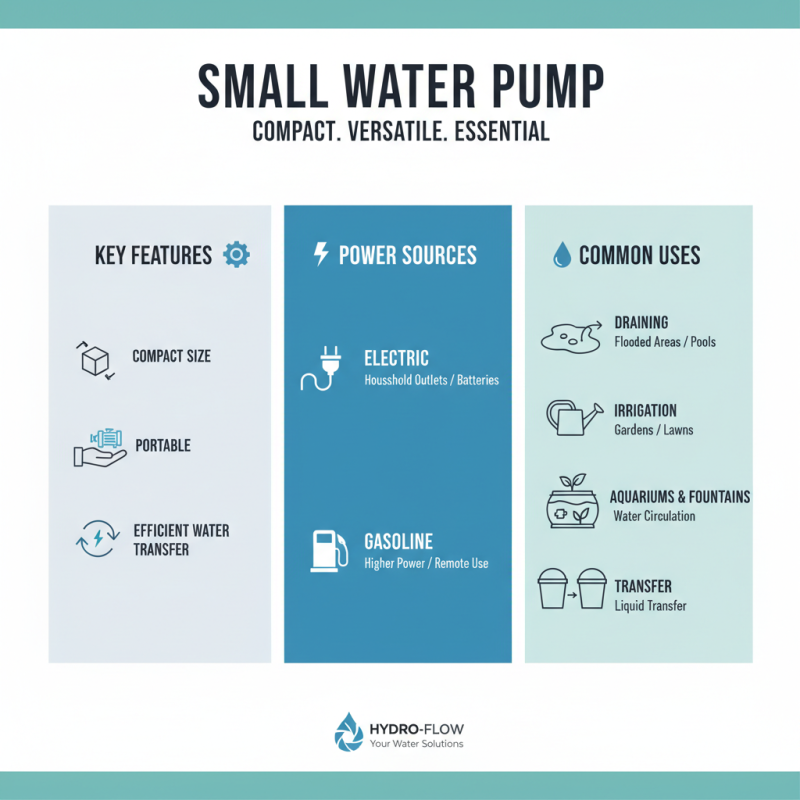
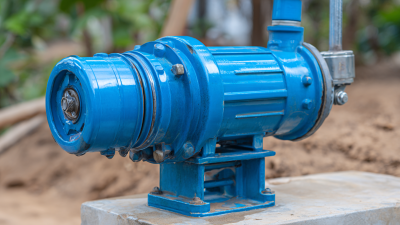
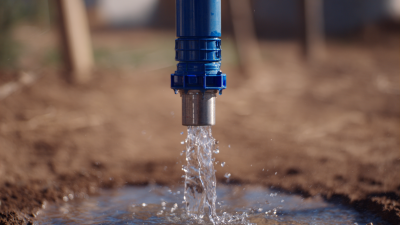
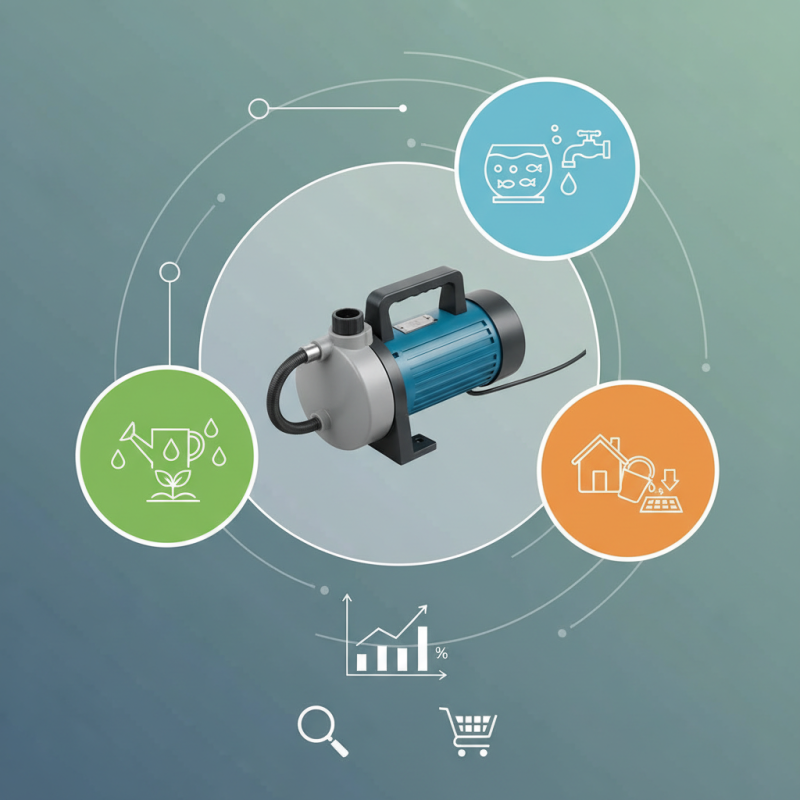
A small water pump is an essential device designed to transfer water efficiently from one location to another, making it an invaluable tool for various domestic and commercial applications. These pumps are characterized by their compact size and versatility, enabling them to be used in confined spaces where larger pumps would be impractical. Typically powered by electricity or gasoline, small water pumps can handle tasks such as draining flooded areas, irrigation in gardens, and supplying water to aquariums and fountains.
Functionally, small water pumps operate by creating a pressure differential that moves water through a designated outlet. They often feature a simple design that includes an impeller or diaphragm to facilitate the movement of water. Depending on their type, these pumps can be used to handle clear water, like in swimming pools or ponds, or can be adapted for slightly contaminated water, making them useful in various cleanup operations. Understanding the specific functionalities of different small water pumps helps users select the right model for their needs, ensuring efficiency and effectiveness in their intended applications.
Types of Small Water Pumps: An Overview of Options Available
Small water pumps are essential tools used in various applications, serving a range of needs from gardening to household maintenance. Among the most common types are centrifugal pumps, which operate by rotating impellers to generate flow. These pumps are ideal for transferring water quickly, making them suitable for irrigation and draining tasks. Their efficiency and versatility make them a popular choice for residential uses.
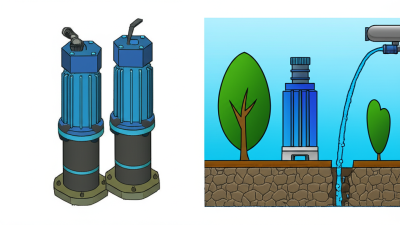
Another important category is submersible pumps, designed to operate while submerged in fluid. These pumps are often used in applications such as sump pumping and aquariums, effectively removing water from areas that are difficult to access with other types of pumps. They are particularly beneficial in situations where water needs to be extracted from deep wells or basements. Additionally, diaphragm pumps are known for handling various fluids, including those that may be abrasive or contain solids, making them useful in industrial settings and for situations requiring chemical transfer.
When considering the right small water pump for your needs, it's essential to evaluate the specific requirements of your application. Factors such as flow rate, total dynamic head, and the pump's compatibility with the fluid being moved will play a significant role in selecting the best option. Understanding the different types of small water pumps available ensures you can make an informed decision that meets your requirements effectively.
Common Uses of Small Water Pumps in Various Applications
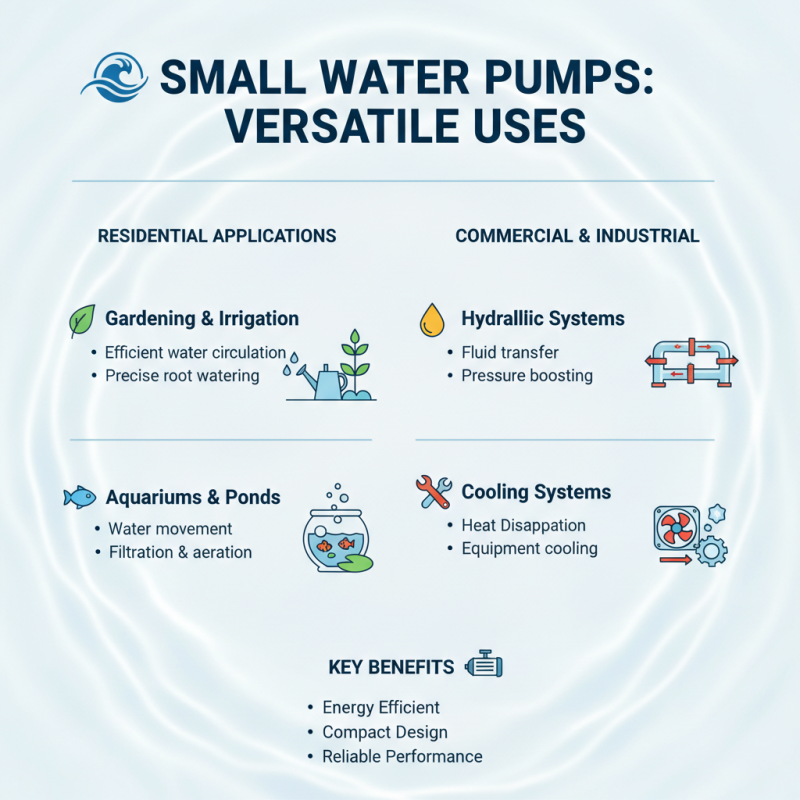
Small water pumps serve a variety of purposes in diverse settings, making them essential tools in both residential and commercial applications. Commonly used in gardening, small water pumps efficiently circulate water for irrigation systems, helping maintain healthy plants by providing precise amounts of water directly to the roots. They are also invaluable in aquariums, where they ensure proper water movement and filtration, creating a stable environment for aquatic life.
In addition to gardening and aquaculture, small water pumps find their utility in recreational activities, such as inflating pools or small watercraft. They can easily manage water removal tasks during minor flooding or in basement drainage situations, preventing potential water damage. For those involved in construction, these pumps assist in site dewatering, allowing work to proceed without excessive water interference.
Tips: When selecting a small water pump, consider the flow rate and lift height to ensure it meets your specific needs. Additionally, pay attention to energy efficiency, as this can significantly influence long-term operational costs. Regular maintenance, such as cleaning filters and checking for clogs, will extend the lifespan of your pump and improve its performance.
Key Factors to Consider When Buying a Small Water Pump
When purchasing a small water pump, there are several key factors to consider to ensure you choose the right model for your needs. First, determine the pump's intended use. Whether for garden irrigation, water transfer, or another application, understanding your requirements will guide you in selecting the appropriate type of pump, such as submersible or surface pumps. Each type has distinct advantages, and matching the pump’s capabilities to your specific needs is crucial for optimal performance.
Another important consideration is the pump's flow rate and head height. The flow rate, typically measured in gallons per minute (GPM), indicates how much water the pump can move. The head height, on the other hand, refers to the maximum height to which the pump can raise water. Assessing these specifications in relation to your project's demands will help you select a pump that meets your efficiency requirements. Additionally, pay attention to energy consumption and maintenance needs, as these factors can affect long-term operation costs and convenience.
Small Water Pump Types and Their Average Flow Rates
Maintenance Tips for Ensuring Longevity of Small Water Pumps
Maintaining small water pumps is crucial for ensuring their efficiency and longevity. Regular maintenance not only prevents unexpected breakdowns but also maximizes performance. According to a report by the American Society of Mechanical Engineers, routine inspections can extend the life of water pumps by up to 50%. This is primarily achieved through timely lubrication of moving parts, checking seals for wear, and monitoring performance metrics such as flow rate and pressure to detect any abnormalities early.
In addition to routine inspections, keeping the pump clean and protected from contaminants is vital. Clogged filters and debris can lead to overheating and wear and tear. The Hydraulic Institute recommends flushing the pump with clean water periodically and ensuring that the inlet screen is free of obstructions. Furthermore, proper storage during off-seasons can significantly enhance durability; pumps should be drained completely before being stored away to prevent freezing or corrosion. By adhering to these maintenance tips, operators can not only ensure the reliable operation of their small water pumps but also reduce the overall costs associated with repairs and replacements.
What is a Small Water Pump? Types, Uses, and Buying Guide Explained
| Type of Water Pump |
Power Source |
Common Uses |
Flow Rate (GPH) |
Maintenance Tips |
| Submersible Pump |
Electric |
Bailing water from flooded areas |
3000 |
Regularly check seals and connections |
| Surface Pump |
Electric/Petrol |
Irrigation & garden watering |
1500 |
Clean filters regularly |
| Hand Pump |
Manual |
Wells and emergencies |
Variable |
Lubricate moving parts |
| Drum Pump |
Manual/Electric |
Transferring liquids from drums |
200 |
Store in a dry place |
| Solar Water Pump |
Solar |
Remote locations, gardens |
1000 |
Ensure solar panels are clean |