Top 10 Mini Water Pumps: Essential Features and Buying Guide for 2023
When it comes to efficiently moving water in various applications, mini water pumps have become an indispensable tool for both DIY enthusiasts and professionals alike. Due to their compact size and versatile functionality, these pumps can be employed in a variety of settings, including gardening, aquariums, pools, and even in construction projects. As the demand for reliable and efficient miniature solutions grows, understanding the essential features of mini water pumps is vital for making informed purchasing decisions in 2023.
Choosing the right mini water pump requires a keen consideration of several critical factors. From the pump's flow rate and maximum lift height to its energy efficiency and build quality, every detail can significantly impact performance. Our guide aims to present a comprehensive overview of the top 10 mini water pumps available this year, highlighting the features that matter most in order to meet diverse needs. Whether you're looking to enhance your watering system, create an engaging water feature, or support other projects, our selection will help you find a mini water pump that aligns with your requirements while delivering reliable results.
Key Characteristics of Mini Water Pumps to Consider
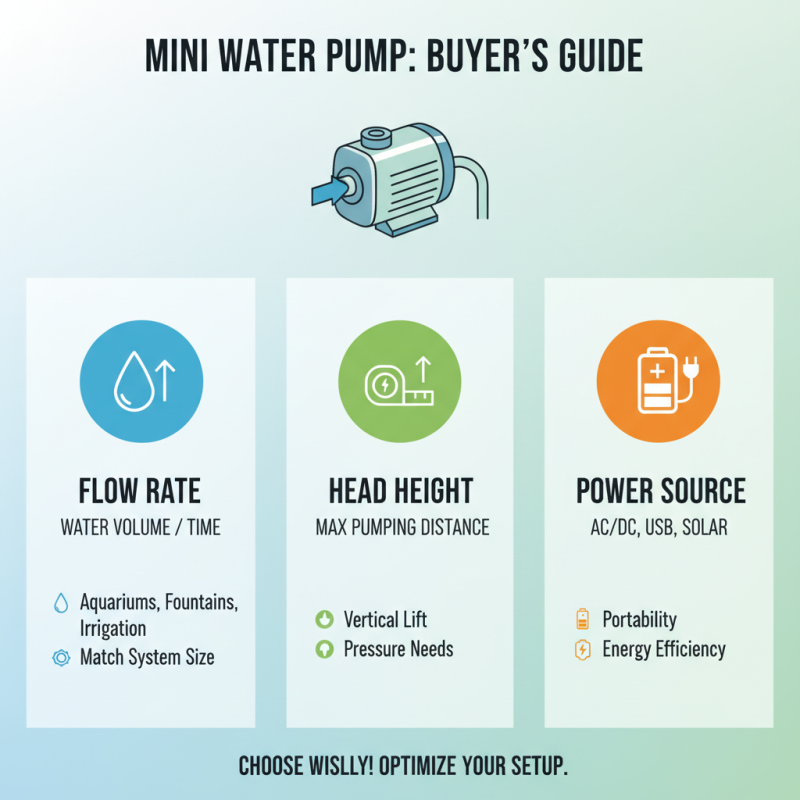
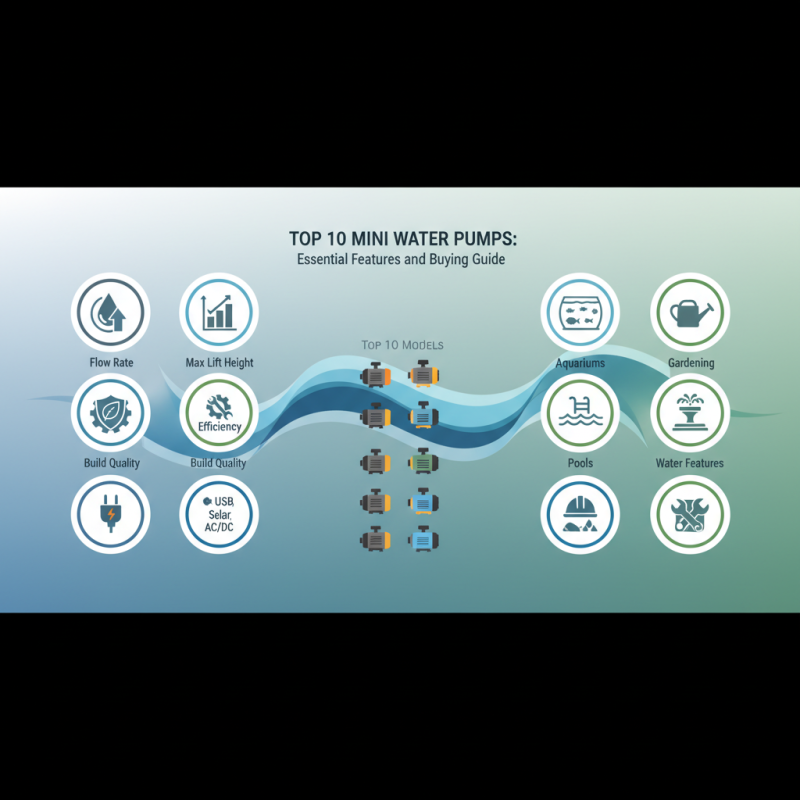
When choosing a mini water pump, several key characteristics can significantly impact performance and usability. One critical feature is the pump's flow rate, which determines how quickly water can be moved from one location to another. For tasks like draining small fountains or aquariums, a higher flow rate may be essential. Additionally, consider the pump's maximum lift height, or the height it can effectively push water. This is particularly important for applications involving vertical transport, such as gardening or hydroponics.
Another vital aspect to evaluate is the materials used in the pump’s construction. Pumps made from durable materials such as stainless steel or high-grade plastics tend to offer better longevity and resistance to corrosion, especially in harsh environments. Furthermore, look into the energy efficiency of the pump. A model that is designed to consume less power while maintaining a strong performance not only saves on electricity costs but also contributes to environmental sustainability.
Tips: Before making a purchase, it's wise to read user reviews and ratings to gauge real-world performance. Additionally, consider your specific requirements, such as portability and ease of installation, to ensure you select a pump that fits your needs seamlessly. Always check for warranty options, as a reliable guarantee can provide peace of mind with your investment.
Top 10 Mini Water Pumps: Performance Comparison
This bar chart compares the flow rates of the top 10 mini water pumps available in 2023. The flow rate, measured in liters per minute (L/min), is a crucial factor that influences the performance and application suitability of these pumps.
Types of Mini Water Pumps Available on the Market
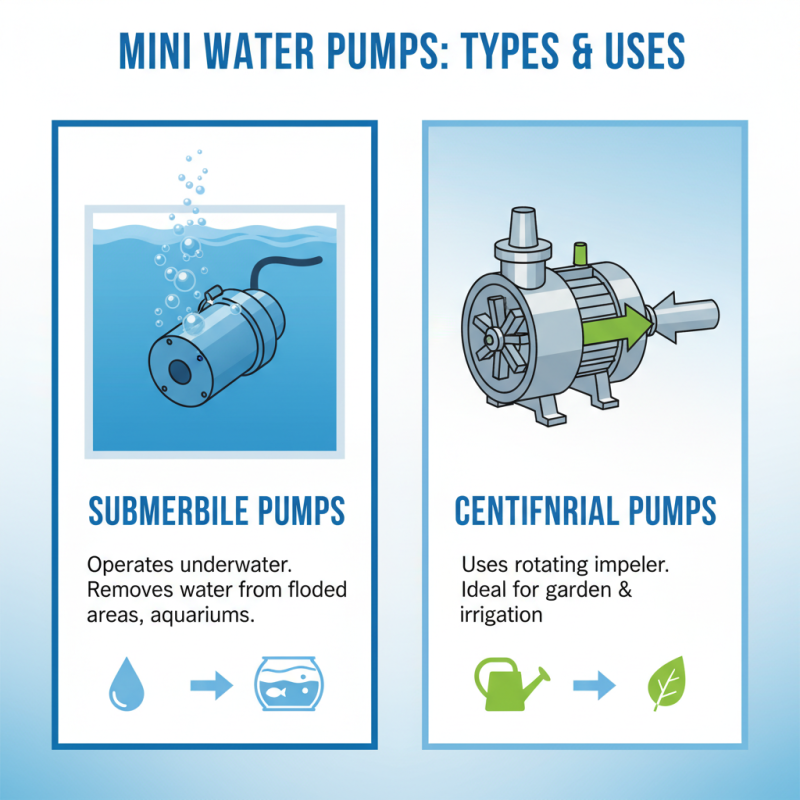
Mini water pumps come in various types, each designed for specific applications and functionalities. Submersible pumps are a popular choice, capable of operating underwater and efficiently removing water from flooded areas or emptying aquariums. They come in different power ratings, making them versatile for both light and heavy-duty tasks. Another common type is the centrifugal pump, which uses a rotating impeller to move water. This type is ideal for garden and irrigation systems, providing a steady flow of water for plants and lawns.
Diaphragm pumps are also noteworthy, especially for applications that require handling viscous or corrosive fluids. Their design allows them to pump liquids without direct contact, making them suitable for chemical transfer and liquid handling in laboratories. Additionally, there are solar-powered mini water pumps, perfect for eco-friendly setups. These pumps harness solar energy to function, making them a great option for outdoor fountains or garden irrigation in sunny locations.
When selecting a mini water pump, consider the power source and intended use. It’s essential to choose a pump that matches the volume of water you expect to handle. Also, pay attention to the compatibility of the pump materials with the liquids you intend to pump, as this will ensure longevity and avoid potential damage. Always consult product specifications to determine the right pump for your needs, and don't forget to check for features like ease of installation and maintenance requirements.
Top 10 Mini Water Pumps for Various Applications in 2023
In 2023, mini water pumps have become essential tools across various applications, ranging from gardening to aquaponics and even in household chores. The versatility of these pumps caters to diverse needs, with key features including portability, efficiency, and . According to recent industry reports, the global mini pump market is expected to grow at a CAGR of 8.5% over the next five years, driven by advancements in manufacturing technologies and increasing demand for compact solutions in both industrial and residential settings.
One significant application of mini water pumps is in hydroponics systems, where precise water management is vital for plant health. These pumps facilitate nutrient circulation, ensuring that plants receive an optimal water and nutrient mix. Industry analyses indicate that the hydroponics segment is projected to reach over $10 billion by 2025, highlighting the increasing reliance on mini water pumps in horticulture. Additionally, for small-scale applications like draining small ponds or aquariums, mini water pumps provide a practical solution with power ratings typically between 6W and 70W, optimizing performance without consuming excessive energy. This combination of efficiency and effectiveness positions mini water pumps as indispensable tools in numerous fields.
Buying Tips for Choosing the Right Mini Water Pump
When choosing the right mini water pump, it's essential to consider a few key factors that can influence your decision. First and foremost, assess the pump's flow rate, which is a measure of how much water it can move within a specific time frame. Depending on your application, whether it's for aquariums, fountains, or garden irrigation, you'll want to match the pump's output with your needs. A higher flow rate may be necessary for larger systems, while smaller applications can suffice with lower outputs.
Another critical aspect to evaluate is the pump's power source. Mini water pumps might be powered by electricity, batteries, or even solar energy, each having its set of advantages. Electric pumps typically offer powerful performance but require access to electrical outlets, while battery-operated options provide portability, making them great for remote locations. Additionally, consider the pump's durability and material, especially if it will be used outdoors. Waterproof and corrosion-resistant materials are ideal to ensure longevity and reliable operation in varying conditions. By focusing on these essential features, you can make a more informed decision when selecting the best mini water pump for your needs.
Common Maintenance Practices for Mini Water Pumps
Maintaining mini water pumps is essential to ensure their optimal performance and longevity. Regularly inspecting the pump for any signs of wear and tear is crucial. Users should check the power cord for any frays and ensure all fittings are secure to prevent leaks. Additionally, it is recommended to clean the inlet filter periodically to eliminate debris that may hinder the flow of water, especially if the pump is used in environments with significant dirt and sediment.
Another important maintenance practice involves monitoring the pump's operation during use. Listening for unusual noises can signal mechanical issues that may need addressing. If a pump begins to overheat, it may require immediate attention to avoid further damage. Furthermore, keeping a close watch on the pump's performance can help identify any changes in water flow or pressure, indicating that it may need servicing. Proper storage during off-seasons, such as draining the pump and cleaning it, can also enhance its durability and readiness for future use.
Top 10 Mini Water Pumps: Essential Features and Buying Guide for 2023
| Pump Model |
Flow Rate (GPH) |
Max Lift Height (ft) |
Power Supply |
Weight (lbs) |
Price (USD) |
| Mini Pump A |
300 |
10 |
12V |
2.5 |
49.99 |
| Mini Pump B |
400 |
15 |
115V |
3.0 |
59.99 |
| Mini Pump C |
250 |
12 |
6V |
2.2 |
39.99 |
| Mini Pump D |
500 |
20 |
230V |
4.0 |
79.99 |
| Mini Pump E |
350 |
18 |
12V |
3.5 |
54.99 |
| Mini Pump F |
600 |
25 |
115V |
4.5 |
89.99 |
| Mini Pump G |
700 |
30 |
12V |
5.0 |
99.99 |
| Mini Pump H |
150 |
8 |
6V |
1.5 |
29.99 |
| Mini Pump I |
450 |
22 |
115V |
3.0 |
64.99 |
| Mini Pump J |
500 |
19 |
230V |
4.2 |
74.99 |