Top Mechanical Flange Uses and Benefits for Global Buyers?
Mechanical Flanges play a critical role in various industries. Their primary function is to connect pipes, valves, pumps, and other equipment. This connection ensures a safe and efficient transfer of fluids and gases. When selected properly, mechanical flanges can enhance system integrity and performance.
Through extensive use in sectors like oil and gas, water treatment, and manufacturing, these components prove invaluable. Buyers globally seek flanges that offer high durability and resistance to corrosion. Material selection, design standards, and testing methods also significantly impact flange performance. It's essential to prioritize quality and reliability in these components.
Despite their importance, some buyers overlook specific requirements. Understanding how to choose the right mechanical flange can be challenging. Different applications may demand unique specifications or additional features. Making an informed decision is vital for operational success. Implementing the best practices can lead to improved efficiency and reduced downtime.
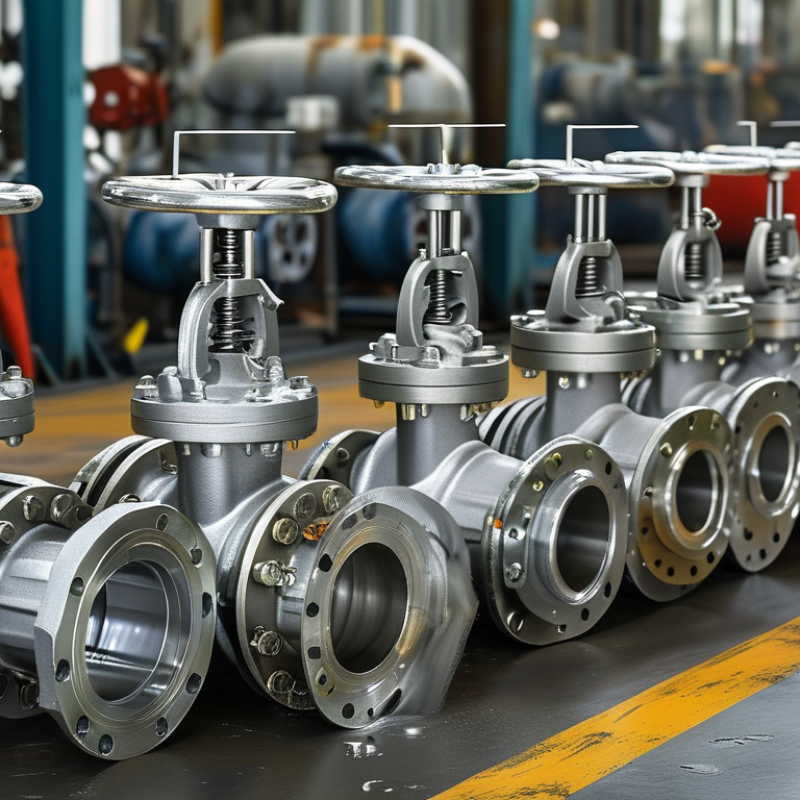
Top Mechanical Flange Uses Across Various Industries
Mechanical flanges play a vital role in various industries. They are essential components for connecting pipes, valves, and equipment. Their uses span across sectors such as oil and gas, water treatment, power generation, and manufacturing. Each industry benefits from flanges’ capacity to provide secure joints.
In the oil and gas sector, flanges are crucial for maintaining safety and efficiency. They help manage high-pressure environments and prevent leaks. This is particularly important in extraction and transport processes. Similarly, in water treatment facilities, flanges facilitate seamless connections between pipes, enhancing the flow and control of water.
Tips: Always choose flanges that match the system’s pressure ratings. Regular inspections can prevent failures. In manufacturing, flanges allow for easy disassembly and reassembly. This aspect improves maintenance and reduces downtime. Consider the material type for your application, as this affects durability and performance. Reflect on the sealing methods used. Sometimes, overlooked details lead to significant problems.
Key Benefits of Mechanical Flanges for Global Buyers
Mechanical flanges are vital components in various industries. They offer strong connections between pipes, valves, and other equipment. This ensures seamless fluid flow and enhances system efficiency. One key benefit is their ability to withstand high pressure. Many users appreciate that flanges can handle extreme temperatures as well. This versatility makes them a preferred choice for global buyers.
Another advantage of mechanical flanges is their ease of installation. They simplify maintenance and reduce downtime. Buyers often value the ability to disassemble and replace parts with minimal effort. This adaptability can lead to significant cost savings in the long run. Having standardized sizes and materials allows for compatibility across different systems, further enhancing their utility.
Users must consider the material type when selecting flanges. Different materials perform better in specific environments. Steel flanges may rust in corrosive conditions, while plastic options might not withstand high pressure. Understanding these factors is key. Buyers should also be aware of certification standards to ensure quality and safety. It's essential to balance performance with the specific needs of each application.
Top Mechanical Flange Uses and Benefits for Global Buyers
| Use Case | Key Benefits | Material Options | Application Industries |
| Pipelines | Reliable sealing, easy installation | Carbon Steel, Stainless Steel | Oil & Gas, Water Supply |
| HVAC Systems | Durability, thermal efficiency | Aluminum, Copper | Construction, Automotive |
| Power Generation | High pressure resistance | Ductile Iron, Alloy Steel | Energy, Manufacturing |
| Food Processing | Sanitary design, corrosion resistance | Stainless Steel | Food & Beverage, Pharmaceuticals |
| Marine Applications | Reliability in harsh environments | Bronze, Stainless Steel | Marine, Shipping |
Types of Mechanical Flanges and Their Specific Applications
Mechanical flanges serve a vital role in various industries, ensuring secure connections between pipes, valves, and equipment. Different types of flanges come with unique applications. For example, the Weld Neck Flange is ideal for high-pressure systems, offering strong support and reliability. It is often used in oil and gas applications, where durability is crucial.
Another common type is the slip-on flange. This flange is easier to install and offers flexibility in alignment. It is frequently found in low-pressure systems. However, the slip-on flange requires careful consideration during installation to avoid leaks. Misalignment can cause serious issues, affecting the entire system's integrity.
Blind flanges, on the other hand, are essential for sealing off piping systems. They prevent the passage of fluids, allowing for maintenance without shutting down the entire system. The choice of flange type depends on the specific application, operational pressures, and material compatibility. Understanding these factors is key to making informed decisions in flange selection, emphasizing the need for expertise in this area.
Top Mechanical Flange Uses and Benefits for Global Buyers
This chart illustrates the percentage distribution of various types of mechanical flanges used globally. Pipe flanges are the most common, followed by bolt flanges and blind flanges, showcasing the diversity in flange applications across different industries.
Factors to Consider When Selecting Mechanical Flanges
When selecting mechanical flanges, numerous factors come into play. Material selection is critical. Common options include carbon steel, stainless steel, and plastic. Each material has unique properties. For example, stainless steel resists corrosion well. Carbon steel is often chosen for its strength. The environment where flanges will be used impacts material choice significantly.
Another vital factor is pressure rating. Flanges are rated for different pressure levels. Ensure your selection matches required specifications. If the pressure rating is underestimated, failures may occur. Compatibility with piping systems is also essential. Different systems require specific types of flanges. For instance, threaded, weld neck, and slip-on flanges serve various applications. Consult technical datasheets for detailed specifications. Ignoring this could lead to improper assembly and potential leaks.
Installation procedures cannot be overlooked. Proper alignment and bolt torque are crucial for sealing. An unbalanced setup can cause leaks or even catastrophic failures. Regular inspections are necessary, as wear can develop over time. Consideration of maintenance accessibility is also important. Difficult-to-reach flanges may complicate repairs. Therefore, thorough planning can save time and resources in the long run.
Future Trends in Mechanical Flange Design and Usage
The future of mechanical flange design is set to evolve significantly. Advancements in materials are at the forefront. Lightweight alloys and composites may replace traditional steel, promoting efficiency and durability. These changes could lead to reduced maintenance costs and longer service life. Enhanced manufacturing technologies will enable more precise flange geometries, improving sealing capabilities.
The integration of smart technology in flanges is another emerging trend. Sensors may monitor pressure and temperature in real-time. This could enhance safety and performance in various applications. However, this innovation also poses challenges, such as the need for regular software updates and potential cybersecurity risks.
Tips: Regular training on new technologies will be essential. Ensure that your team is familiar with smart flange systems. Stay updated on both industry trends and new materials. The balance between innovation and reliability is critical. Embrace changes, but also reflect on how they impact existing practices.