What is a Marine Dishwasher and How Does It Work?
Marine dishwashers are essential for maintaining cleanliness in maritime settings. These specialized machines are designed to handle the unique challenges of washing dishes on boats and ships. In environments where space and resources are limited, a Marine Dishwasher excels. It efficiently cleans dishes, utensils, and cookware, all while adhering to strict cleanliness standards.
These devices operate using advanced cleaning technology. Typically, they feature cycles that ensure thorough sanitation. A Marine Dishwasher must use less water and energy than regular models. This efficiency is crucial for long voyages where resources are scarce. Yet, the design can sometimes lead to inefficiencies that need addressing. For instance, balancing wash cycles and energy use requires careful calibration.
Understanding the operation of a Marine Dishwasher is vital for ship crews. They need to be trained to maximize the machine's potential. Despite the advancements, there can be breakdowns or malfunctions, leading to significant challenges. Regular maintenance is necessary to prevent these issues. A reliable Marine Dishwasher is not just a tool; it’s a cornerstone of onboard hygiene.
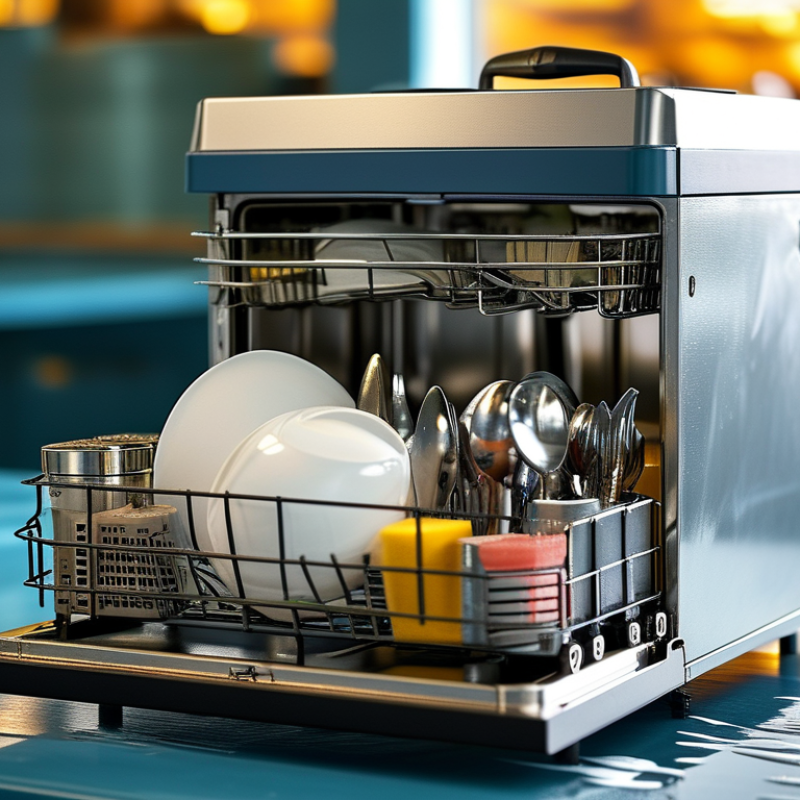
What is a Marine Dishwasher? An Overview of Its Definition and Purpose
A marine dishwasher is a specialized appliance designed for boats and ships. Since space is limited at sea, these machines are compact yet efficient. They help maintain hygiene on board by washing dishes, utensils, and cookware.
These dishwashers use high temperatures and powerful jets to clean. The process often involves multiple wash cycles, ensuring that grease and bacteria are eliminated. They can operate in rough conditions, which is crucial for marine environments. Some models even recycle water, conserving precious resources at sea.
While marine dishwashers are essential, challenges exist. They require regular maintenance to function effectively. Users must be mindful of water usage and energy efficiency. Installing one on a vessel can also be complex, often needing expert help. Reflecting on these aspects is vital for marine operators to ensure cleanliness and safety on board.
Marine Dishwasher Usage by Ship Type
Key Components of Marine Dishwashers: Materials and Technology Used
Marine dishwashers are designed for harsh environments at sea. The materials used are crucial for their effectiveness. Typically, high-grade stainless steel is favored. This ensures resistance to corrosion caused by saltwater. Some models incorporate reinforced plastics for lighter weight and flexibility. These materials play a vital role in maintaining hygiene and longevity.
The technology behind marine dishwashers has advanced rapidly. Modern units use a combination of high-pressure jets and efficient water recycling systems. Reports indicate that advanced models can reduce water consumption by up to 60% compared to traditional systems. The energy efficiency of these machines also meets international standards, significantly lowering operational costs. However, not all marine dishwashers achieve these efficiencies. Regular maintenance is essential. Neglected machines can experience buildup, impacting performance.
Understanding the operating mechanics is key. Many marine dishwashers utilize a three-phase washing system. This includes pre-rinsing, washing, and drying cycles. The challenge lies in ensuring each phase operates optimally while managing resources. For operators, knowing the right settings and practices can greatly affect sanitation outcomes.
How Marine Dishwashers Operate: Step-by-Step Cleaning Process Explained
Marine dishwashers are designed for efficient cleaning in marine environments. Their operation relies on a systematic process to handle various types of dishware effectively. Understanding this process helps ensure cleanliness and hygiene on boats and ships.
The cleaning process starts with loading dirty dishes into the machine. Users must organize items properly for optimal cleaning. The machine then fills with water mixed with detergent. This mixture heats up, increasing its effectiveness. A powerful spray mechanism distributes water, reaching all surfaces. Each item receives a thorough wash. After rinsing, the machine often uses high heat to sanitize the dishes. This step is crucial in eliminating any remaining bacteria.
Marine dishwashers also face challenges. Salty environments can lead to corrosion over time. Regular maintenance is essential to prolong their lifespan. Users may struggle with setting the correct cycles based on dish types. Understanding each cycle’s purpose can enhance cleaning results. Overall, while these machines are efficient, they require careful attention to stay in top condition.
Efficiency Metrics: Water and Energy Consumption of Marine Dishwashers
Marine dishwashers are essential for ensuring cleanliness and hygiene in maritime environments. They operate under unique conditions, where efficiency is key. When analyzing their efficiency metrics, two primary factors come into play: water and energy consumption.
Water usage in marine dishwashers is optimized for operation in constrained spaces. Equipped with advanced spray technology, these machines minimize water waste while ensuring effective cleaning. Many models use less than five gallons per cycle. This is a significant reduction compared to standard commercial dishwashers. The design aims to handle large loads quickly without compromising hygiene.
Energy consumption is another crucial metric. Marine dishwashers often incorporate insulation and energy-efficient heating systems. This can drastically reduce energy demand. However, challenges remain in balancing performance with sustainability. Some models may still consume excessive energy during peak operation. The transition to more energy-efficient systems is ongoing. Users must assess their preferences and operational requirements as they make decisions. These considerations highlight the importance of ongoing evaluation in marine dishwasher technology.
Industry Standards: Compliance and Certifications for Marine Dishwashers
Marine dishwashers play a crucial role in maintaining hygiene standards in the maritime industry. Compliance is key. According to data from the International Maritime Organization (IMO), vessels must adhere to strict sanitation guidelines outlined in the Maritime Labour Convention. This ensures proper dishwashing processes are in place to protect crew health.
In addition, certifications from bodies like the American National Standards Institute (ANSI) add credibility. Marine dishwashers should meet the NSF/ANSI 3 certification for commercial dishwashing equipment. This certification examines aspects such as efficiency and safety. It ensures that equipment can handle the unique challenges of marine environments, where space and water supply are limited.
However, achieving compliance is not without its challenges. Regular maintenance can be overlooked amidst the demands of operations. It's essential to monitor performance to prevent issues. Regular audits can identify non-compliance risks. After all, the cost of neglecting standards can lead to significant health risks and operational delays. Balancing efficiency and compliance is a continual process in the marine industry.