What is a Linear Pneumatic Actuator and How Does It Work?
Linear Pneumatic Actuators have become pivotal in various industries, driving automation solutions with efficiency and precision. According to a report by MarketsandMarkets, the global pneumatic actuator market is expected to reach $7.1 billion by 2026, fueled by increased demand for automation in manufacturing. The adoption of Linear Pneumatic Actuators is a major factor in this growth.
Expert James H. Carter, a leading authority in automation technologies, emphasizes, "Linear Pneumatic Actuators offer unmatched speed and reliability." His insights reflect the industry consensus on the advantages of these devices. As organizations evolve, the need for advanced actuation systems continues to rise. Companies must continually assess their actuator choices to optimize performance and reduce costs.
While Linear Pneumatic Actuators offer numerous benefits, challenges remain. Issues like air quality and pressure fluctuations can affect performance. It’s crucial for industries to engage in regular maintenance and testing to ensure reliability. Understanding these nuances is essential for maximizing the potential of Linear Pneumatic Actuators in complex systems.
Definition and Basic Principles of Linear Pneumatic Actuators
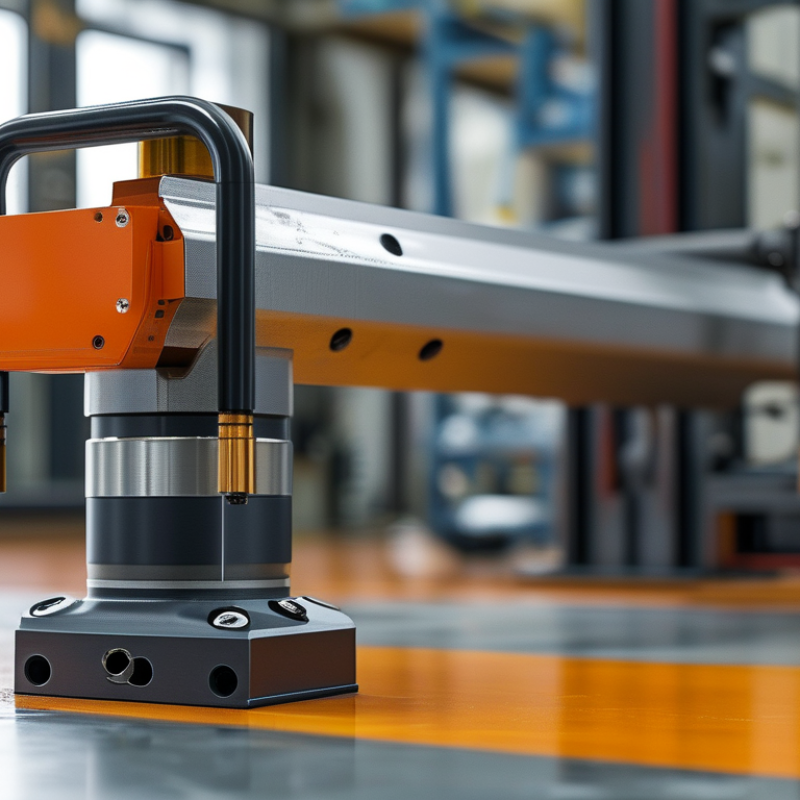
Linear pneumatic actuators are devices that convert compressed air into linear motion. They play a crucial role in various industries, facilitating automation processes. Understanding how they work requires an appreciation of basic principles of pneumatics.
The actuator consists of a cylinder, piston, and various valves. When compressed air enters the cylinder, it pushes the piston forward. This action creates linear movement, driving whatever is attached to the piston. The speed and force of the motion can be adjusted by controlling the airflow. This flexibility allows pneumatic actuators to perform tasks ranging from simple movements to complex operations.
However, there are challenges. Air leaks and fluctuations in pressure can affect performance. Ensuring proper sealing and regular maintenance can mitigate these issues. Users must be aware of the actuator's limitations. For instance, if excessively loaded, the actuator may not perform optimally. Reliability builds trust in pneumatic systems, yet understanding vulnerabilities is equally important.
Components of a Linear Pneumatic Actuator and Their Functions
A linear pneumatic actuator is a device that converts compressed air into linear motion. It contains several key components, each with distinct functions. The cylinder is where the air pressure creates motion. Within the cylinder, a piston moves back and forth, producing linear movement. Reports indicate that pneumatic actuators can generate force ranging from as little as 10 pounds to over 1,000 pounds, depending on size and pressure applied.
The other vital components are the end caps. They seal the cylinder and house the piston. They also provide support during motion. Seals within the actuator prevent air leakage, ensuring efficiency. This aspect is critical; air loss can significantly reduce performance. Proper selection and maintenance of these parts are essential for successful operation, as even minor wear can lead to inefficiencies.
A control valve also plays a pivotal role. It regulates the airflow into and out of the actuator. This allows precise control over the speed and position of the piston. A well-designed control system can improve response times and reduce energy consumption. However, improper configuration may lead to erratic behavior, which is a common challenge faced in the industry. Understanding these components and their interactions is vital for optimizing actuator performance.
Mechanism of Action: How Linear Pneumatic Actuators Generate Motion
Linear pneumatic actuators convert compressed air into linear motion. They are widely used in automation and material handling systems. When air enters the actuator, it pushes a piston, creating movement. The pressure of the air determines the speed and force of the actuator. As the piston moves, it causes connected rods or objects to move linearly.
Tips: Correct installation of pneumatic actuators is crucial. Ensure the actuator is aligned properly for optimal performance. Regular maintenance helps to identify potential issues early. Check for air leaks, as they can reduce efficiency. Using the right pressure settings can enhance the actuator's lifespan.
One challenge in using linear pneumatic actuators is controlling motion precisely. If too much air pressure is applied, it can result in jerky movements. This may lead to inaccuracies in applications that require fine adjustments. Experimentation may be necessary to find ideal pressure levels for different tasks. It’s important to consider the environment in which the actuator operates. Contaminants can affect the performance negatively. Always keep the components clean and free from debris.
Applications of Linear Pneumatic Actuators in Various Industries
Linear pneumatic actuators play a crucial role in various industries by converting compressed air into linear motion. These devices use the force of air pressure to move a piston within a cylinder. This mechanism is prevalent in manufacturing and automation where precise movements are essential. From powering conveyor belts to positioning robotic arms, their reliability and speed are key advantages.
In the automotive sector, linear pneumatic actuators are commonly used in assembly lines. They assist in tasks such as lifting components or pressing parts together. The food industry also benefits from these actuators, particularly in packaging processes. They help in ensuring that products are sealed properly and meet hygiene standards. In pharmaceutical production, these devices enable accurate dosing and packaging of medication.
Despite their many applications, there are challenges. Placement and maintenance can be tricky. Sometimes, air leaks may occur, impacting performance. Regular monitoring is necessary to ensure efficiency. Designers and engineers must work closely, adjusting systems as needed. Addressing these issues is essential for maximizing the potential of linear pneumatic actuators.
Advantages and Limitations of Using Linear Pneumatic Actuators
Linear pneumatic actuators are popular in various applications due to their unique benefits. They utilize compressed air to generate motion. This mechanism allows for rapid and responsive action, making them ideal for automation tasks. One clear advantage is their ability to handle heavy loads effectively. This translates to improved performance in industrial settings.
However, there are limitations to consider. For example, pneumatic systems require a constant air supply. Inconsistent air pressure can hinder performance, leading to delays in operation. Additionally, they may not perform well in extreme temperatures. This could result in decreased efficiency over time.
While linear pneumatic actuators excel in many areas, they aren't perfect solutions. Maintenance is crucial to ensure reliability. Leaks in the air system can result in lost pressure and increased costs. It's essential to conduct regular checks to maintain optimal functionality. Users must weigh these pros and cons to determine their suitability for specific tasks.