

Our Blog
Check out our innovative pump solutions and industry insights to see what's new in the pumping industry. Stay up to date with the latest trends and news in the world of pumping technology by following our pumping technology blog.
- Home
- Blog
How to Choose the Right Air Release Valve for Your System
Choosing the right Air Release Valve begins with understanding what is happening inside the pipeline. Air may collect at a high point, enter during draining, or remain trapped after filling. Each situation calls for a different valve function. A small irrigation line and a large transmission main do not face the same air-management demands.
John V. Ballun, an air-valve specialist and author of AWWA Manual M51, provides a useful technical reference for selection. A practical summary of the principle behind this work is: “Select the valve for the air-management duty, not pipe size alone.” Treat this as a paraphrase, not a verified direct quotation. The distinction matters. Sizing also depends on operating pressure, flow conditions, pipeline profile, and the volume of air that must enter or leave. A valve chosen only by connection diameter may perform poorly.
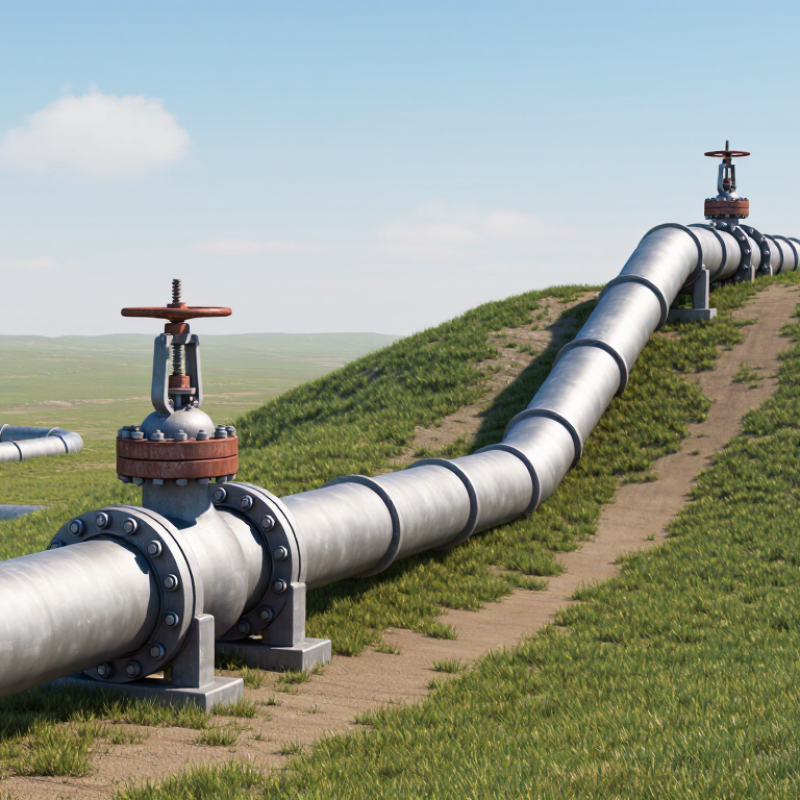
Picture a long pipeline rising over a hill, with a valve installed at its crest. A combination valve may be appropriate there, but the actual duty and manufacturer’s performance data must confirm the choice. Check pressure limits, discharge capacity, materials, maintenance access, and the consequences of water hammer. Field experience helps, yet it cannot replace calculations or system records. Sometimes the available data is incomplete. That deserves attention, not guesswork. This guide outlines the key questions engineers and operators can use to compare valve types, review specifications, and make a defensible selection for their system.
Assess the System’s Fluid, Pressure, and Operating Conditions
Selecting an air release valve starts with the fluid, not the pipe size. Water, wastewater, brine, and chemical solutions behave differently. Record temperature, viscosity, suspended solids, dissolved gases, and corrosive potential. A valve exposed to grit may require a larger passage and easier maintenance access. Measure the fluid carefully. Do not guess.
Pressure conditions need equal attention. Record normal pressure, maximum surge pressure, vacuum risk, and pressure during filling and draining. The U.S. Bureau of Reclamation Design Standards No. 3, Chapter 16, links air-valve sizing with air entering during pipeline draining and leaving during filling. That distinction matters. A small air-release valve handles accumulated air during operation, while an air-vacuum valve manages larger air movement during startup or shutdown. Combination valves address both duties, but they still need correct sizing.
Operating conditions often reveal the real failure point. Check installation elevation, flow direction, pump starts, emergency power loss, and expected cycling frequency. AWWA Manual M51 recommends evaluating air movement, hydraulic transients, and maintenance requirements together. The U.S. EPA WaterSense program estimates household leaks can waste more than 9,400 gallons annually per household; that figure is not directly transferable to industrial pipelines, but it shows how minor losses accumulate. A clean calculation can still mislead when field conditions change. Consider monitoring pressure after installation. Review the selection after the first operating season.
Compare Air Release Valve Types and Their Functions
Air release valves are not interchangeable. Each type manages air at a different stage of pipeline operation. An air-release valve uses a small orifice to discharge trapped air during normal, pressurized flow. It suits high points where air slowly collects. Small details matter. A wet, noisy valve chamber often signals poor discharge planning.
An air-and-vacuum valve has a larger opening. It releases substantial air while filling and admits air during draining or sudden pressure loss. This action helps reduce vacuum conditions and pipe collapse risks. A combination valve performs both functions in one body. It is practical for changing pipeline profiles, although one valve may not fit every operating condition. AWWA C512 recognizes these three functional categories for water and wastewater applications.
Selection should follow the pipeline’s filling rate, draining rate, operating pressure, and high-point geometry. Check the outlet arrangement too. Discharged water should not splash across electrical equipment or return contamination to the system. The U.S. Environmental Protection Agency’s 2023 Drinking Water Infrastructure Needs Survey and Assessment estimates $625 billion in needs over the next 20 years. That scale makes small protective components worth careful engineering. Field experience suggests placing valves at every high point, but that rule is too simple. Hydraulic modeling and commissioning evidence should decide the final locations. Human error still happens.
How to Choose the Right Air Release Valve for Your System
Comparison of air release valve types and their primary functions
Rating scale: 0 = not intended, 1 = limited suitability, 2 = suitable, 3 = primary function. Automatic air release valves discharge small amounts of accumulated air during normal operation. Air and vacuum valves admit and release large volumes of air during pipeline filling, draining, or vacuum conditions. Combination valves provide both functions in one assembly.
Determine the Required Valve Size and Pressure Rating
Valve size should follow the air volume the pipeline must release, not simply the pipe diameter. Estimate air discharge during filling and air entry during draining, then compare those rates with certified capacity curves at the system’s actual pressure. AWWA C512-15 covers air-release, air/vacuum, and combination air valves, with rated working pressures up to 300 psi. Treat that as a standard scope, not a default selection: the correct rating depends on the system’s maximum pressure and operating conditions. Small details matter. Include pump shutoff pressure and credible pressure surges, not just the normal gauge reading.
Tips: Record the highest expected operating pressure, temperature, and filling or draining rate. Then select a valve whose pressure rating meets or exceeds the design maximum, and confirm its air-flow capacity with the supplier’s published curve. A quick spreadsheet check helps, but it can miss transient surges; review assumptions against site data before ordering.
For a water line, pressure also changes with elevation: roughly 2.31 feet of water creates 1 psi of static pressure. Use the high point and low point when checking pressure exposure. A valve can be correctly sized for air flow yet still be unsuitable for its pressure zone. Recheck the result when layouts, pump settings, or operating procedures change.
Select Compatible Materials and Installation Configurations
Choosing an air release valve starts with the fluid, pressure, and temperature range. A valve handling clean water may not suit water containing treatment chemicals or fine solids. Compare the wetted body, float, and seal materials with the fluid’s chemistry. Elastomers can swell or harden when the match is poor. Check the rated pressure and temperature against actual operating conditions, including brief pressure changes. Small details matter.
Installation affects whether trapped air can escape. Place the valve at a system high point where air naturally collects, and follow its specified mounting orientation. Leave enough clearance above it for inspection and removal. A discharge pipe may be useful, but it should not create backpressure or conceal leakage. Keep the connection accessible. In cramped plant rooms, this is easy to overlook, and it can make routine maintenance awkward.
Tips: Confirm pipe size and connection type before ordering. Check that the valve suits the expected air volume, not only the line diameter. Review the installation drawing, then verify the site layout. A short commissioning check can reveal a tilted fitting or a blocked outlet. I would still recheck the chosen materials if the fluid mix changes; specifications do not always capture every operating detail.
Check Maintenance Needs and Long-Term Operating Performance
A suitable air release valve should match the system’s pressure, temperature, flow, and water quality. Maintenance needs deserve equal attention. A valve placed above a pump station may collect debris faster than one installed on a clean pipeline. Ensure technicians can reach it safely. An isolation valve below the unit can simplify servicing without draining the entire line.
Check the internal float, seals, body, and discharge opening during scheduled inspections. Look for mineral deposits, corrosion, sticking movement, and small leaks around threaded connections. The valve should close smoothly after releasing trapped air. Poor installation alignment can cause repeated faults. Follow verified pressure data and installation instructions, not guesswork. Keep inspection records with dates, operating conditions, and replaced parts.
Long-term performance depends on more than initial sizing. A valve exposed to freezing weather may need insulation or a protected enclosure. Aggressive water may require more frequent inspections and stronger materials. In field checks, a correctly sized valve has sometimes performed poorly because its outlet was blocked. That detail is easy to miss. It is also worth questioning fixed maintenance intervals. Clean systems may need fewer visits, while muddy or chemically active systems may require much closer monitoring. Choose a design that technicians can understand, inspect, and repair repeatedly. Fancy features are not always useful.
How to Choose the Right Air Release Valve for Your System - Check Maintenance Needs and Long-Term Operating Performance
| Valve Type | Primary Function | Typical Installation Point | Suitable Pressure Range | Maintenance Requirement | Long-Term Operating Considerations | Main Selection Factor | Typical Application |
|---|---|---|---|---|---|---|---|
| Small Orifice Air Release Valve | Automatically releases small amounts of accumulated air while the pipeline remains pressurized. | High points of continuously pressurized water pipelines and long rising sections. | Commonly available for low-to-high pressure water systems; confirm the valve rating matches the pipeline design pressure. | Inspect the float, seat, and discharge outlet at least annually; more frequent checks may be needed where water contains sediment. | Reliable for continuous air removal, but a blocked or fouled small orifice can prevent proper operation. | Air accumulation during normal operation | Water transmission, distribution, irrigation, and process-water lines. |
| Large Orifice Air/Vacuum Valve | Admits large volumes of air during pipeline draining or negative-pressure conditions and exhausts air during filling. | Pipeline summits, long descending sections, pump discharge lines, and locations where vacuum protection is required. | Selected according to design pressure, transient conditions, and required air-flow capacity. | Check the float, valve seat, cover bolts, and discharge piping regularly; verify that the outlet is unobstructed. | Helps reduce pipe collapse and water-column separation risk, but incorrect sizing can cause excessive surge or inadequate protection. | Required air-inlet and air-exhaust capacity | Large-diameter pipelines, pump stations, sewage force mains, and raw-water systems. |
| Combination Air Valve | Combines continuous air release with large-volume air admission and exhaust in one assembly. | Critical high points and pipeline locations exposed to both air accumulation and vacuum conditions. | Available across a broad range; select by pressure class, pipeline size, and transient analysis. | Requires inspection of both the small-orifice and large-orifice mechanisms; clean internal parts when leakage or sluggish movement occurs. | Provides comprehensive air management, but has more internal components and may require more detailed maintenance. | Systems needing both air release and vacuum protection | Municipal water mains, pumping systems, industrial pipelines, and long-distance transmission lines. |
| Wastewater Air Release Valve | Releases air from wastewater pipelines while limiting the escape of liquid and reducing odor exposure. | High points of force mains and wastewater pipelines where air pockets can reduce capacity. | Must be selected for the force-main pressure, wastewater characteristics, and expected gas composition. | Inspect more frequently than clean-water service; flush deposits and check odor-control or discharge arrangements. | Fouling, corrosion, solids, and biological deposits can affect float movement and sealing performance. | Wastewater quality and fouling resistance | Wastewater force mains, lift-station discharge lines, and sewage pumping systems. |
| High-Pressure Air Release Valve | Removes accumulated air from systems operating at elevated pressure without interrupting normal flow. | High-pressure pipeline summits and pressurized industrial or water-transfer systems. | Use only within the specified pressure and temperature limits, including transient pressure. | Check body integrity, sealing surfaces, fasteners, and isolation arrangements during planned shutdowns. | Material compatibility, pressure fatigue, and seat wear become increasingly important over extended service. | Maximum operating and surge pressure | High-pressure water transfer, industrial cooling, and process-fluid systems. |
| Non-Slam Air Valve | Controls air discharge and intake to reduce abrupt valve closure, pressure surges, and water hammer. | Pump discharge lines and pipelines with high filling or draining rates. | Selected using the system pressure rating and transient-control requirements. | Inspect damping components, floats, seats, and discharge passages; performance testing is recommended after major system changes. | Can improve hydraulic stability, but incorrect adjustment or fouling may reduce air-flow capacity. | Surge-control performance during valve closure | Large pumping stations, rising mains, and systems with frequent start-stop cycles. |
| Corrosion-Resistant Air Valve | Performs air-release or air/vacuum functions where the fluid or surrounding environment increases corrosion risk. | Coastal installations, chemical-process areas, treated-water systems, and corrosive wastewater environments. | Pressure rating must be verified together with chemical and temperature compatibility. | Inspect external surfaces, fasteners, coatings, and internal sealing parts; remove deposits before they harden. | Appropriate materials can extend service life, while incompatible metals may cause corrosion or galvanic damage. | Fluid chemistry and environmental exposure | Coastal water systems, chemical handling, industrial wastewater, and humid installations. |
| Air Valve with Isolation Assembly | Provides air management while allowing the valve to be isolated for inspection or replacement. | Accessible high points, chambers, pump stations, and locations where shutdowns are difficult. | Isolation components must have a pressure rating equal to or greater than the pipeline requirement. | Operate the isolation valve periodically, inspect the drain arrangement, and verify that access remains unobstructed. | Improves maintainability and reduces service interruptions, but adds installation length, cost, and potential leakage points. | Maintenance access and service continuity | Critical water infrastructure and systems with limited shutdown opportunities. |
| Selection reminder: Confirm pipeline pressure, transient conditions, air-flow requirements, fluid quality, material compatibility, installation orientation, discharge safety, and available maintenance access before final selection. Actual sizing should be based on a hydraulic and transient analysis rather than nominal pipe diameter alone. | |||||||