
loading

Our Blog

Check out our innovative pump solutions and industry insights to see what's new in the pumping industry. Stay up to date with the latest trends and news in the world of pumping technology by following our pumping technology blog.

What Is a 1 HP Well Pump and How Does It Work?

A 1 hp well pump is designed to move water from an underground well into a home, tank, or irrigation system. Its one-horsepower motor provides enough force for many residential wells, but performance depends on well depth, pipe size, and household demand. Horsepower alone does not tell the whole story.

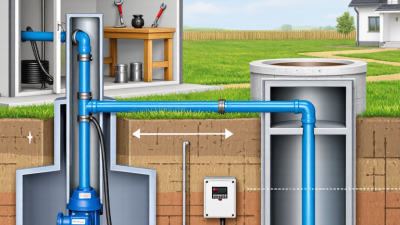
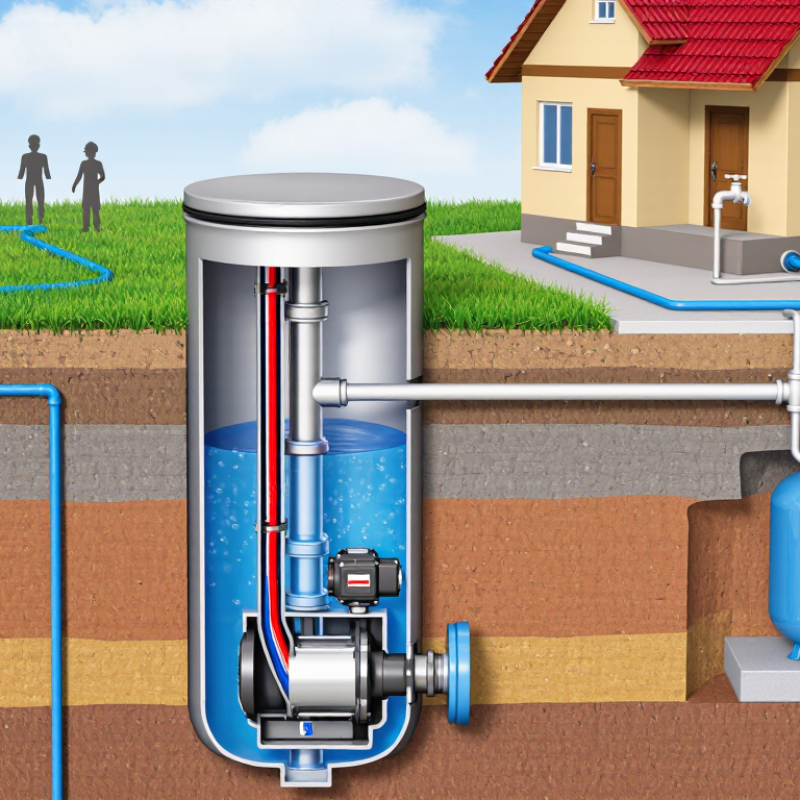
The pump uses an electric motor to turn an impeller or drive a piston, depending on its design. In a submersible model, the sealed pump sits below the water level and pushes water upward through the drop pipe. A pressure switch starts the motor when water pressure falls, such as when someone opens a shower valve. It stops the motor after the pressure tank reaches its set limit. You may hear a short click, followed by the steady sound of water moving through the pipes.

Jet pumps usually remain above ground. They draw water through an intake line, making them practical for shallower wells. Submersible pumps often operate more quietly because the well water surrounds the motor. However, installation quality matters greatly. A damaged check valve, undersized wire, or clogged screen can reduce flow and shorten pump life.

Real-world sizing is rarely perfect. A 1 hp well pump may work well in one property but struggle in another with a deeper water table. Testing well yield and measuring pressure are sensible steps before replacement. This guide explains the pump’s main parts, operating cycle, expected performance, and warning signs. It also highlights where common assumptions can mislead homeowners.
What Is a 1 HP Well Pump and How Does It Work?

1 HP Defined: 746 W of Motor Power in Well-Pumping Service

A 1 HP well pump uses a motor rated at 1 horsepower, or 746 watts of mechanical power. This rating describes motor output, not the water delivered each minute. A 1 HP motor may draw more than 746 watts from the electrical supply. Energy losses occur in windings, bearings, seals, and the pump itself. In practical terms, the electricity meter sees a larger number.

During installation checks, I look beyond the horsepower label. The pump curve links flow rate with total dynamic head, including vertical lift, pipe friction, and tank pressure. A deep well with narrow piping can consume much of the available power. The same motor may provide strong flow at low lift but weak flow at greater depth. It is not a simple bucket of power. Voltage also matters. Low voltage can increase current, heat the motor, and shorten service life. Correct wire sizing and overload protection are essential.

A useful estimate compares hydraulic power with motor output. Raising more gallons per minute through more feet requires more power. However, efficiency changes with the operating point, so a neat calculation can still mislead. I have seen systems selected from horsepower alone, then blamed for poor pressure. That diagnosis was incomplete. Well yield, pump position, check valves, and clogged screens also affect performance. Measure flow, pressure, voltage, and running current under real conditions. Small errors matter. A 1 HP rating is a starting point, not a promise of unlimited water.

Core Components: Motor, Impellers, Casing, Check Valve, and Controls

A 1 HP well pump uses a one-horsepower motor to move groundwater through a private water system. However, horsepower alone does not determine performance. Well depth, pipe size, water level, and pressure requirements also matter. A practical inspection should check these details before selecting the pump.

The motor supplies rotational power to the impellers. These curved wheels spin inside the casing and increase water pressure in stages. In a shallow pump, one impeller may be enough. Deeper wells often require several impellers arranged in sequence. The casing directs water through each stage and protects the internal parts from pressure and movement. Small cracks, corrosion, or poor seals can reduce output. Water may still flow, but pressure drops fast.

A check valve prevents pressurized water from returning toward the well. Without it, the motor may restart too often, causing unnecessary wear. Controls manage starting, stopping, overload protection, and pressure response. A pressure switch commonly signals the motor when household pressure falls. Some systems also use a control box, capacitor, or dry-run protection. Wiring must match the pump’s voltage and installation conditions. This detail matters. A common mistake is treating a 1 HP rating as a guaranteed flow rate. Actual results can differ noticeably, even with identical motors. Testing pressure, current, and flow during operation gives a more reliable assessment than relying on the label alone.

Water Path Explained: How Impellers Convert 746 W into Pumping Pressure

What Is a 1 HP Well Pump and How Does It Work?

A 1 HP well pump is rated at about 746 watts of mechanical power. However, it may draw more electricity because motors and pump parts lose energy. Water enters through the impeller eye, where rotating blades accelerate it outward. The diffuser or volute then slows that fast-moving water and changes velocity into pressure. That pressure pushes water upward through the drop pipe.

In a deep-well submersible pump, several impellers may work in stages. Each stage adds pressure, while the motor supplies rotation below the water level. Flow depends on well depth, pipe friction, water demand, and pump efficiency. For example, lifting water 100 feet requires roughly 43.3 psi before friction losses. A horsepower label alone cannot predict performance. It is a useful guide, but not a complete answer. Field measurements sometimes reveal less flow than expected.

Tips: Check the pump curve before installation. Measure static water level and recovery rate. Keep the intake above sediment. A clogged screen can imitate a weak motor. Also, compare voltage, wire size, and pressure readings. Small errors matter.

Pump Performance: Relating Flow, Head, and Pressure at 1 psi = 2.31 ft

What Is a 1 HP Well Pump and How Does It Work?

A 1 HP well pump uses a motor rated at one horsepower to move water from a well. The rating does not guarantee a fixed flow rate. Actual performance depends on the pump curve, well depth, pipe size, voltage, and water level. A pump may deliver strong flow at low pressure, but much less flow as head increases.

Pump performance connects flow, head, and pressure. For clean water, 1 psi equals about 2.31 feet of water head. Therefore, 50 feet of head creates roughly 21.6 psi, before friction losses. A pressure target of 60 psi requires about 138.6 feet of head. The calculation is simple. Real systems are not.

Total dynamic head includes vertical lift, pressure at the tank, and resistance inside pipes, valves, and fittings. For example, a pump lifting water 100 feet must overcome about 43.3 psi from elevation alone. Friction adds more. A field measurement may also reveal a lower water level during heavy pumping, which changes the result. That detail is easy to miss.

A reliable selection process compares the required flow with the pump curve at the full operating head. Measuring voltage, discharge pressure, and flow can expose weak performance. A 1 HP motor can still be poorly matched to the well. I would not size it from horsepower alone.

What Is a 1 HP Well Pump and How Does It Work?

Pump performance depends on the relationship between flow, head, and pressure. For water, 1 psi equals approximately 2.31 feet of head. The chart below shows the calculated hydraulic relationship for a 1 HP pump using an assumed overall efficiency of 60%.

Estimated flow is based on the hydraulic power equation: HP = Flow × Head ÷ 3960. As pressure and required head increase, available flow decreases. Actual well-pump performance will vary with pump design, pipe friction, water level, motor efficiency, and installation conditions.

Sizing Factors: Voltage, Well Yield, Pipe Friction, and Tank Pressure

What Is a 1 HP Well Pump and How Does It Work?

A 1 HP well pump uses a one-horsepower motor to lift groundwater and pressurize a home system. Horsepower alone does not show its actual output. A 1 HP pump may deliver different flow rates at different depths and pressures. In practice, I check the pump curve, measured water level, and required household flow before selecting equipment. A deeper well creates more lifting resistance.

Voltage affects both performance and installation. Common systems use 115 or 230 volts, but the correct choice depends on motor specifications, wire length, and electrical capacity. Lower voltage can require more current, increasing voltage drop across long wiring. That detail is easy to overlook. A qualified electrician should verify wire size, breaker protection, grounding, and starting current.

Well yield is equally important. If the well produces only 6 gallons per minute, the pump should not continuously demand 10. The water level may fall, causing air intake or motor damage. Pipe friction also reduces pressure, especially through narrow pipe, long runs, elbows, filters, and check valves. Tank pressure matters too. A pressure switch might operate at 40/60 psi, while tank precharge is commonly set 2 psi below cut-in pressure with the tank empty. I would recheck this setting after installation because small errors can cause rapid cycling. The final sizing should match household demand, sustainable well yield, pipe layout, and required pressure—not the horsepower label alone.