

loading

Our Blog

Check out our innovative pump solutions and industry insights to see what's new in the pumping industry. Stay up to date with the latest trends and news in the world of pumping technology by following our pumping technology blog.

7 Fass Fuel Heater Buying Tips for Global Buyers

Choosing a Fass Fuel Heater for an international operation takes more than comparing prices. The right unit should suit the fuel, equipment, and working conditions it will actually face. A heater that performs well in a mild workshop may struggle in a cold, exposed vehicle bay. Details matter.

This guide presents seven practical buying tips for global buyers. It explains how to check heater capacity, fuel compatibility, electrical requirements, and installation needs before placing an order. Buyers should also review product documentation, warranty terms, spare-part availability, and the seller’s support process. These details can matter more when replacement parts must cross borders. Ask for clear specifications and confirm that supplied information matches the exact model, not a similar product photo. No model is perfect.

Shipping and service deserve equal attention. Packaging should protect the heater from impact and moisture during a long journey, while delivery estimates should leave room for customs processing. Requirements differ by destination, so verify applicable product and installation standards with qualified local professionals before purchase. A manufacturer’s claims are useful, but they do not replace checking the manual or asking specific questions. Even experienced buyers can miss a small detail, such as a connector mismatch. That is worth a second look. With careful comparisons, buyers can narrow their choices and avoid paying for features their operation does not need. The following tips offer a straightforward framework for making that decision with greater confidence.
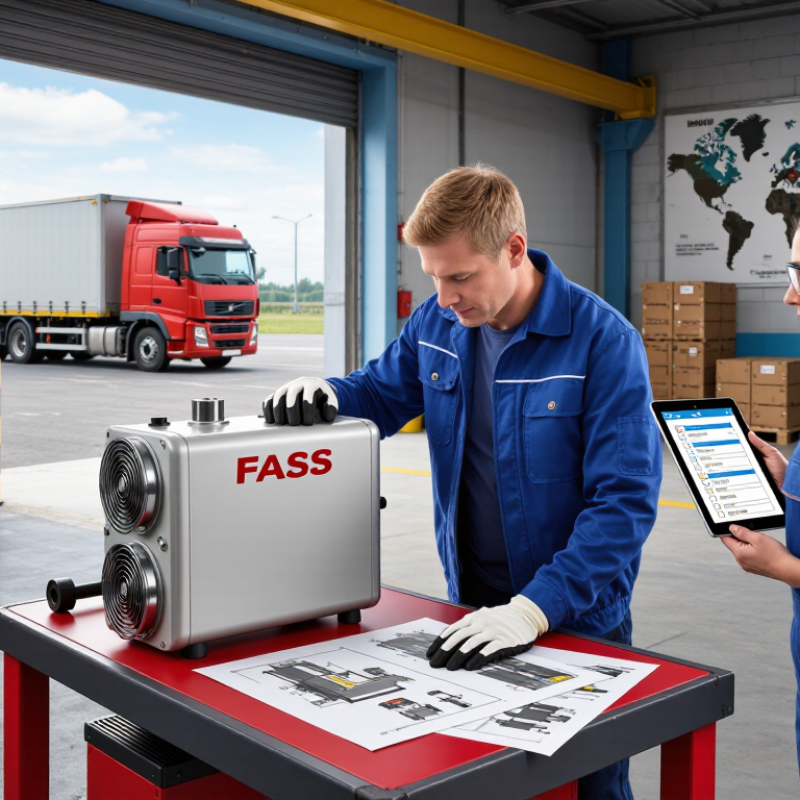
7 Fass Fuel Heater Buying Tips for Global Buyers

What a FASS Fuel Heater Does and Which Fuel Systems It Fits

A diesel fuel heater warms fuel near the filter, helping limit wax-related restriction in cold conditions. It does not remove water, clean clogged filters, or correct unsuitable fuel. On a compatible diesel system, it can support fuel flow during cold starts, but performance depends on heater placement, wiring, fuel blend, and ambient temperature.

NREL’s Biodiesel Handling and Use Guide, 5th edition, reports that biodiesel cloud points can range roughly from -3°C to 15°C, depending on feedstock. That variation matters: two fuels may behave differently in the same weather. A heater is not a guarantee against gelling, and its benefit should be checked against the vehicle maker’s specifications and the heater’s rated voltage and fuel-system design.

Tips: Confirm whether the system is diesel, inspect filter-housing fit and electrical requirements, and check compatibility with the fuel blend. Look for clear installation and temperature limits. Small details matter. I would not assume a heater suits every diesel setup.

How to Match Heater Capacity to Climate and Fuel Type

Matching heater capacity starts with the coldest expected conditions, not the average winter day. A 200-liter drum in a sheltered workshop loses heat more slowly than an exposed tank in steady wind. Insulation, container shape, starting temperature, and the required warm-up time all affect the needed output. Cold starts matter.

Fuel type matters just as much. Diesel, biodiesel blends, and heavier oils can respond differently as temperatures fall. Check the fuel supplier’s temperature guidance and the heater’s operating instructions before choosing a target temperature. Do not assume that one setting suits every fuel. A viscosity limit may help define the goal, but it does not replace equipment specifications.

Compare heater capacity with the volume to be warmed and the site’s lowest likely temperature. A small unit may run for hours without reaching the target; an oversized one can create uneven heating. Use a thermostat and confirm that the heater is rated for the container and application. Measure fuel temperature at more than one point when practical. I would leave a margin for wind and heat loss, though that margin should come from actual site conditions, not guesswork. Check the manual.

7 Fass Fuel Heater Buying Tips for Global Buyers – How to Match Heater Capacity to Climate and Fuel Type
# Buying factor Climate and fuel guidance Indicative capacity or selection approach What to verify before purchase
1 Start with the lowest expected ambient temperature Estimate the coldest conditions at the installation site, not the average winter temperature. Diesel cloud point and cold-filter plugging point vary by fuel batch and regional specification. Use the temperature rise required, tank size, insulation and heat-loss conditions to size the heater. There is no single wattage that suits every climate or tank. Ask the fuel supplier for the fuel’s cold-weather properties and confirm the heater can maintain the required operating temperature under the local minimum conditions.
2 Match output to tank volume and heat loss A larger tank takes more energy to warm; wind exposure, long pipe runs and an uninsulated metal tank increase heat loss. A sheltered, insulated installation generally needs less ongoing heat. As an initial planning range only, equipment for a 200 L (about 55 US gal) container may be offered around 0.5–1.5 kW. Confirm sizing with the heater supplier using the actual tank and temperature data. Check rated voltage, available power, thermostat range, warm-up expectations and whether the stated rating is continuous output or maximum input.
3 Identify the exact fuel and blend Conventional diesel, winter-grade diesel and biodiesel blends can have different cold-flow behavior. Biodiesel cold-weather performance depends on blend level, feedstock and fuel specification. Choose a heater explicitly approved for the fuel and installation. Heating may support fuel flow but does not change the fuel’s certified grade or replace an appropriate winter fuel. Confirm compatibility with the intended diesel grade or biodiesel blend, plus seals, wiring and any components that contact fuel.
4 Choose the heater location and heating method Heating a tank, pickup area or fuel line addresses different cold spots. A warm tank does not guarantee that exposed filters or lines will remain above their limiting temperature. For a system with vulnerable lines or filters, assess whether localized heating is also required. Follow the equipment design rather than adding an unapproved heater. Check approved mounting location, contact method, temperature controls and whether the heater is designed for the tank material and geometry.
5 Allow for insulation and wind exposure Outdoor tanks in windy or persistently sub-zero locations lose heat faster than indoor or sheltered tanks. Insulation can reduce heat loss when properly installed and compatible with the system. Size for the real installation: exposed surface area, insulation, wind and target temperature matter as much as fuel volume. Recalculate if the installation changes. Use insulation approved for the application; keep controls, labels, vents and safety devices accessible, and follow clearance requirements.
6 Check electrical supply and environmental rating Supply voltage and frequency differ by market. Outdoor installations may face moisture, dust, vibration and temperature extremes. Select a unit rated for the local electrical supply and installation environment. Have a qualified professional assess circuit capacity and protection. Verify voltage, frequency, current draw, ingress-protection rating, grounding, over-temperature protection and applicable local approvals.
7 Prioritize fuel and fire safety Never assume a heater suitable for diesel is suitable for gasoline or other volatile fuels. Fuel-system heating must follow the heater and vehicle or tank manufacturer’s instructions. Use only a heater specifically approved for the fuel, tank and location. Do not use an open flame or an improvised heating device. Confirm hazardous-area suitability where required, safe mounting and wiring, leak-free connections, and that the tank is not sealed or heated beyond its approved limits.
Important: Capacity figures are preliminary planning guidance, not a guaranteed sizing specification. Final selection should be based on the tank design, fuel specification, site minimum temperature, heat loss and manufacturer instructions.

Which Materials, Controls, and Safety Features to Compare

7 Fass Fuel Heater Buying Tips for Global Buyers

Compare materials, controls, and safety features before choosing a Fass fuel heater. A steel housing can handle routine workshop use, while corrosion-resistant finishes may matter in damp or coastal storage areas. Check seals and fittings too. Fuel compatibility and operating temperature should match the heater’s published specifications. A strong housing is not enough.

Controls need to suit the people using the heater. Look for clear temperature settings, readable indicators, and a simple way to shut the unit down. Confirm the required supply voltage and frequency against the site’s power system; do not assume they are universal. Safety features may include overheat protection, flame monitoring, and automatic shutdown. Ask for documentation showing how these functions operate, and verify that installation requirements fit local standards. Specs can look reassuring on paper, but the manual deserves a close read.

Tip: Compare the heater’s materials, controls, and safety features side by side. Request details on maintenance intervals and replacement parts. Check what happens after a power interruption. There is no single best setup; a detail that seems minor during purchasing can become inconvenient in daily use. Verify claims with technical documents, not just a sales description.

Fass Fuel Heater Buying Tip: Compare Heat-Exchanger Materials

Typical thermal conductivity at room temperature (approximate values)

Higher thermal conductivity can help transfer heat, but it does not determine heater performance by itself. Compare fuel compatibility, corrosion resistance, construction quality, temperature controls, overheat protection, and the availability of replacement parts. Values vary by alloy and temperature.

How to Check Regional Standards and Installation Requirements

Global buyers often compare heating output first, but regional requirements can change the practical choice. A fuel heater suited to one market may need different wiring, controls, or approvals elsewhere. Check the nameplate for voltage, current draw, fuel type, pressure limits, and temperature range. Compare these details with local vehicle or machinery rules, not only the seller’s checklist. Ask a qualified installer or local inspection office which certificates or permits apply at the installation address. Details matter.

Before ordering, confirm that the heater matches the equipment’s electrical system and service manual. Check the recommended fuse rating, grounding method, and cable route. Measure mounting space, including room to reach fittings later. Keep fuel lines away from exhaust parts and other hot surfaces, and check the required clearance in the installation instructions. A specification sheet cannot show every tight corner under a vehicle. I would check the proposed mounting position twice, even if it looks obvious. Request written installation requirements and keep them with the purchase records; small differences in wiring or line routing can complicate service later.

How to Evaluate Supplier Support, Warranty, and Total Cost

A fuel heater’s purchase price is only the first line on the invoice. Check whether the supplier can size the unit for your fuel type, flow rate, and coldest operating conditions. Ask for written response times, spare-parts availability, and local service coverage. A quick reply before purchase is useful, but it does not prove dependable support after installation. Request a sample troubleshooting procedure.

Tips: Read the warranty before comparing quotes. Confirm coverage length, labor and freight terms, exclusions for contamination or incorrect installation, and the process for a claim. Ask how long common replacement parts take to ship. Small details matter.

Estimate total cost over your planned service period: purchase, installation, energy, maintenance, downtime, and replacement parts. The U.S. Energy Information Administration reported average U.S. on-highway diesel prices of $4.21 per gallon in 2023, down from $4.99 in 2022. This illustrates how operating costs can shift; use local fuel prices and the heater’s documented consumption, not a U.S. benchmark, for your estimate. Compare supplier quotes using the same assumptions. A spreadsheet helps, though it will not capture every delay or repair. Keep a contingency.