7 Face Mechanical Seal Buying Tips for Global Buyers
A Face Mechanical Seal can look simple on a catalog page. Yet small differences in dimensions, face materials, and operating conditions can decide whether it performs reliably or fails early. Small details matter. For global buyers, the challenge is not just finding a low price. It is confirming that the seal matches the pump, fluid, temperature, pressure, and installation environment.
This guide presents seven practical buying tips based on checks commonly used by experienced purchasers and maintenance teams. It explains how to share accurate shaft and housing measurements. It compares carbon, ceramic, silicon carbide, and other face options. It also covers elastomer compatibility with the process fluid, plus requests for drawings, material certificates, and inspection records. A supplier’s response can reveal a lot. Vague answers deserve follow-up, even when the quotation looks attractive.
Buying across borders adds another layer. Buyers should verify packaging, lead times, spare-part availability, and access to technical support after delivery. These points may seem less urgent than the seal itself, but delays can keep equipment offline. No checklist removes every risk, and product names alone do not prove compatibility. A specification can appear complete while leaving an important condition unclear, such as the actual fluid or temperature range. Use these tips as a disciplined starting point, then confirm critical details with the equipment manufacturer or a qualified seal specialist before ordering.
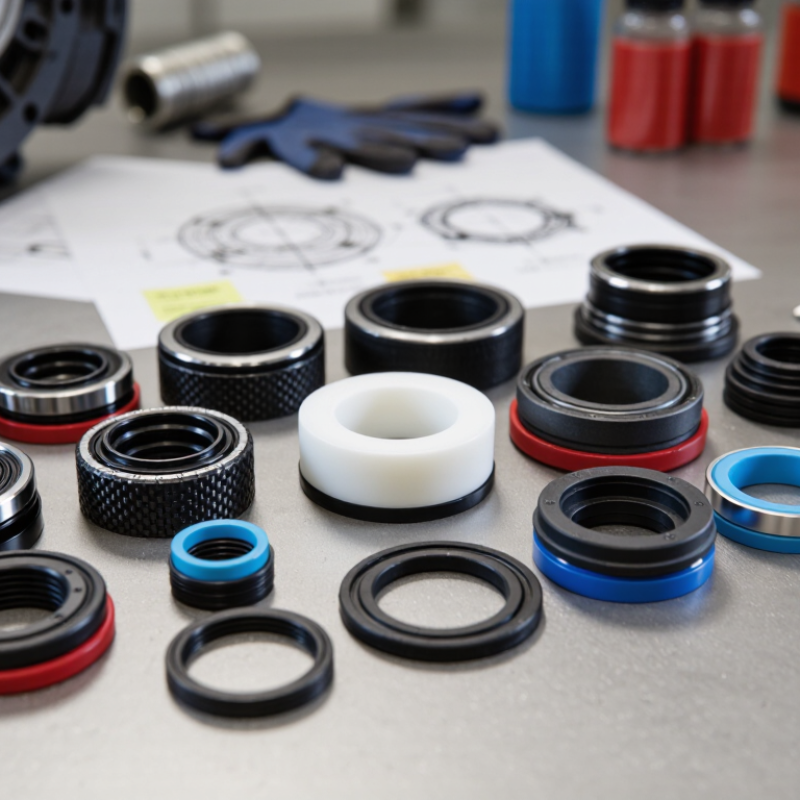
What a Face Mechanical Seal Is and How It Works
A face mechanical seal is a device that limits leakage where a rotating shaft passes through a pump or other machine housing. It uses two carefully lapped faces: one turns with the shaft, while the other stays fixed in the seal chamber. A spring and system pressure push the faces together. Their contact is controlled, not perfectly dry.
A microscopic film of process fluid usually forms between the faces, reducing friction and carrying away heat. The gap is too small to see during routine inspection, yet its condition affects seal life. Only a trace of leakage may occur in some operating conditions; visible dripping should not automatically be treated as normal.
The explanation is simple; actual behavior is not always. Poor alignment, vibration, or running without enough fluid can damage the faces quickly. A common inspection finding is uneven wear, sometimes linked to pipe strain or unstable operation rather than a defective seal alone. Check the seal chamber, shaft movement, and operating conditions together. I would not judge a seal by its appearance alone: a smooth face can still fail if heat, pressure, or installation conditions are wrong.
How to Define Operating Conditions Before Choosing a Seal
Before choosing a face mechanical seal, record the fluid, pressure, temperature, shaft speed, and operating duration. Capture minimum, normal, and maximum values—not just the nameplate rating. Include startup, shutdown, cleaning, and upset conditions. A pump handling clear water at steady temperature is different from one facing hot, abrasive slurry. Small details matter.
Check vapor pressure and fluid viscosity at actual temperatures, plus solids, gas, and corrosive constituents. These affect film stability, heat generation, and material compatibility. API 682 offers a recognized framework for specifying pump sealing systems, but accurate site data still matters. The U.S. Department of Energy’s Improving Pumping System Performance guide estimates that pumping systems use nearly 20% of global electricity and 25–50% of energy in some industrial facilities. That scale makes avoidable seal failures costly. Yet operating logs are often incomplete. Be candid about uncertainty.
Ask operators about pressure spikes, dry running, and flush interruptions. Note whether the seal chamber is flooded and how heat leaves it. A single “normal” reading can hide a difficult transient. Where conditions vary, give suppliers a realistic operating envelope and flag assumptions for verification. A tidy datasheet is not proof of stable service.
How Seal Face Materials Affect Performance and Service Life
A mechanical seal face works under heat, pressure, friction, and changing fluid conditions. Its material can affect leakage, wear, and service life. Silicon carbide handles abrasive particles well and moves heat away from the contact area. ASM International’s Engineered Materials Handbook: Ceramics and Glasses reports thermal conductivity around 80–120 W/m·K for many dense silicon-carbide grades. Actual values vary by grade and temperature. Small details matter.
Carbon graphite offers low friction and can tolerate brief contact during startup. Yet abrasive solids may wear it quickly, and dry-running heat can damage the faces. Tungsten carbide is tougher against impact, but its binder can corrode in some fluids. API Standard 682 emphasizes selecting seals for the service conditions, not treating face materials as interchangeable. A material chart can still mislead; fluid chemistry and operating changes often complicate the choice.
Tips: Check the fluid, solids, temperature, pressure, and startup frequency before choosing a face pair. Ask for the exact grade and binder, not just “silicon carbide” or “tungsten carbide.” Confirm the supplier’s test conditions, then compare them with your pump’s actual duty. If failures cluster after cleaning or dry starts, review operating practice too—not only the material.
How to Check Seal Design and Equipment Compatibility
7 Face Mechanical Seal Buying Tips for Global Buyers
How to Check Seal Design and Equipment Compatibility
A face mechanical seal must match the equipment, not just the catalog description. Compare the shaft or sleeve diameter, seal chamber depth, and gland dimensions with the pump drawing. Check the rotating direction and available axial space before selecting a design. Small details matter. A seal that fits the shaft may still sit incorrectly in the chamber.
Tips: Verify shaft diameter, chamber depth, gland bolt pattern, rotation direction, operating pressure and temperature, fluid compatibility with face and elastomer materials, and the planned flush arrangement. Ask for a dimensioned drawing when measurements are unclear. Measure twice. Guessing from an old part can miss wear or previous modifications.
Review the actual operating conditions, including start-up and possible brief dry running. Confirm whether the design is balanced and whether installation tools or extra clearance are needed. A common blind spot is choosing materials from the fluid name alone; concentration and temperature can change compatibility. Share equipment drawings and operating data with the seal supplier, then check the proposed dimensions against the machine before ordering.
How to Evaluate Suppliers, Quality Standards, and Global Logistics
Buying a face mechanical seal requires more than matching its diameter. Confirm the shaft size, operating speed, pressure, temperature, and fluid chemistry. A small mismatch can cause leakage or shorten service life. Ask suppliers for dimensioned drawings, material specifications, and inspection records. For demanding process-pump applications, check whether API 682 applies; it is not a universal requirement for every seal.
Tips: Compare suppliers using the same technical checklist. Request material traceability and documented face-flatness and dimensional checks. Ask how production changes are controlled. Verify that the proposed elastomers and face materials suit your actual fluid and temperature range. Samples help, but they do not replace clear acceptance criteria.
Quality documents should be specific to the supplied parts, not generic certificates alone. Confirm packaging, lead time, shipping terms, and responsibility for export documents before placing an order. Seals need protection from impact, dust, and moisture during transit. Specify sealed inner packaging and rigid outer cartons, especially for long-distance shipments. Build in time for customs processing and incoming inspection. Even careful checks cannot remove every risk; supplier answers may sound complete while leaving tolerances unclear. Ask follow-up questions, and keep the agreed details in writing.