
loading

Our Blog

Check out our innovative pump solutions and industry insights to see what's new in the pumping industry. Stay up to date with the latest trends and news in the world of pumping technology by following our pumping technology blog.

10 Essential Tips for Choosing the Right Inline Water Pump for Your Needs?

When it comes to choosing the right inline water pump, expert insights are invaluable. John Reynolds, a renowned hydraulics specialist, once said, “Selecting an inline water pump can dramatically affect efficiency.” This highlights the importance of making an informed decision.

Inline water pumps are crucial for various applications. They range from residential gardens to industrial systems. The right pump can save energy and time, making it essential to understand your needs. However, many buyers overlook vital factors like flow rate or head height. The wrong choice can lead to inefficiencies and frustrations.

Understanding the specific features of inline water pumps is equally important. Not all pumps are created equal; some are designed for high flow rates, while others excel with low. It requires careful consideration of your unique requirements and potential challenges. Investing time in research and reflecting on your needs ensures a better fit for your situation.
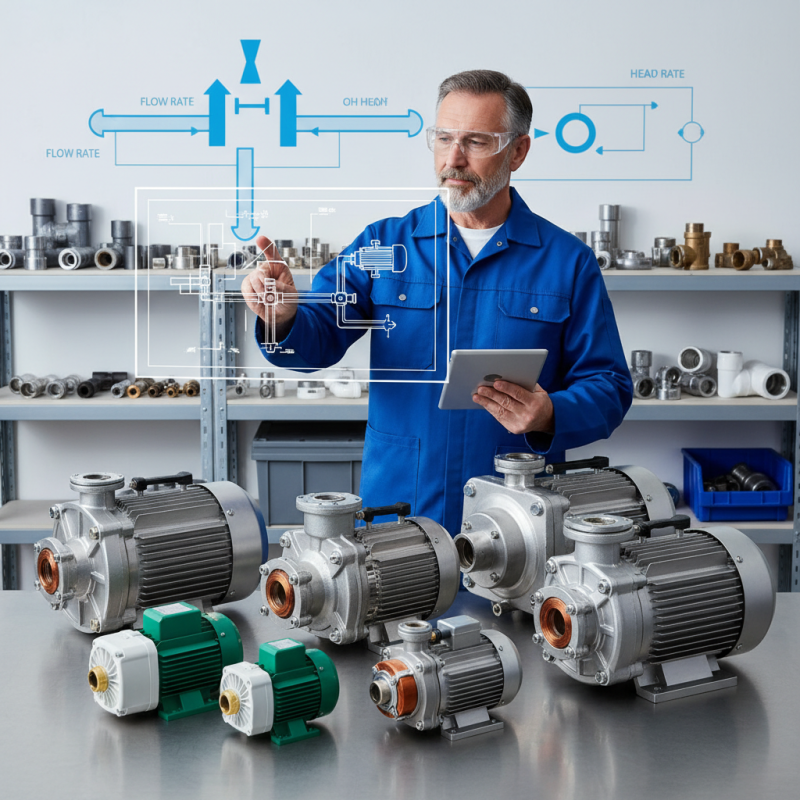
10 Essential Tips for Choosing the Right Inline Water Pump for Your Needs?

Understanding the Purpose of an Inline Water Pump for Your Needs

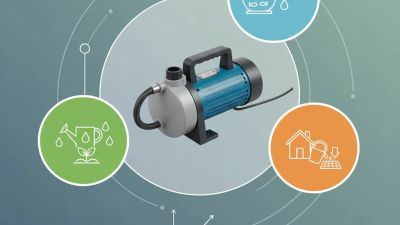
Choosing the right inline water pump can be crucial. Understanding its purpose helps simplify the decision. Inline water pumps are designed to move water efficiently. They work well in various applications, from irrigation systems to aquariums. Knowing where you will use the pump is essential. This helps determine the required flow rate and pressure.

Consider the specific needs of your setup. Do you need a high flow rate for a large area? Or a smaller one for a home system? Each scenario demands different specifications. Some pumps are better suited for clean water, while others can handle dirty water. It's vital to assess the water quality and the intended use case. Ignoring this can lead to inefficiency or damage.

Reflect on your budget and maintenance requirements as well. Higher-quality pumps may cost more upfront. However, they often last longer and require less upkeep. A well-chosen pump should fit seamlessly into your system. Don't rush this process. Investigating various options can prevent future frustrations.

10 Essential Tips for Choosing the Right Inline Water Pump for Your Needs

Tip Description Considerations Typical Applications
1. Understand Your Water Flow Requirements Determine the flow rate and head height needed for your specific application. Consider peak demand, continuous vs. intermittent use. Irrigation, aquariums, boiler feed.
2. Check Compatibility with Existing Systems Ensure the pump's specifications match your existing plumbing and equipment. Monitor pipe sizes, fittings, and pressure ratings. Household, commercial water systems.
3. Consider the Pump Material Choose materials that resist corrosion and wear for longevity. Evaluate water chemistry and temperature. Industrial, agricultural use.
4. Assess Energy Efficiency Look for high-efficiency models to save on energy costs. Check energy ratings and operating hours. Residential and commercial applications.
5. Noise Level Considerations Choose pumps with low noise operation if quieter environments are necessary. Gauge sound levels, especially for indoor use. Indoor gardens, residential systems.
6. Evaluate Maintenance Needs Select models that require minimal maintenance for ease of use. Consider availability of parts and service. Residential, commercial systems.
7. Determine Installation Requirements Understand the space and installation conditions necessary for setup. Analyze physical constraints and access points. All types of systems.
8. Check for Warranty and Support Look for warranties that provide peace of mind and support. Review terms and customer service responses. All types of systems.
9. Price vs. Performance Compare costs to performance to ensure value for money. Balance budget constraints with operational needs. Home improvement, commercial projects.
10. Research Brand Reputation Look into user reviews and expert recommendations for reliability. Cross-check certifications and ratings. Applicable to all consumer products.

Evaluating Flow Rate and Pressure Requirements for Effective Operation

10 Essential Tips for Choosing the Right Inline Water Pump for Your Needs?

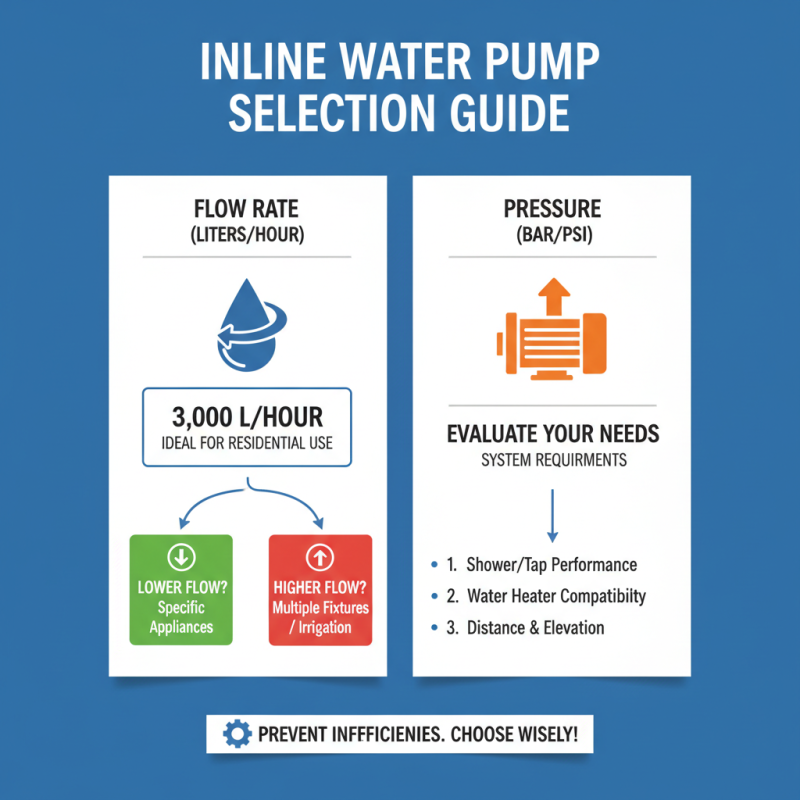
When choosing an inline water pump, evaluating flow rate and pressure requirements is crucial. According to industry reports, a flow rate of 3,000 liters per hour is often ideal for residential use. However, specific needs can vary widely. Some applications may require lower or higher rates. Understanding your requirements helps prevent inefficiencies.

Pressure is just as important. A minimum pressure of 1.5 bar is recommended for most household applications. Yet, certain situations may need over 3 bar. Overlooking these specifications can lead to poor performance and higher energy costs. It's essential to measure your system accurately. Slight changes can cause operational issues and impact overall efficiency.

Consulting professionals can provide insights. Many users underestimate the significance of compatibility between the pump and its intended system. Not every pump suits every application. It is wise to reflect on these choices. Exceeding or underestimating required specifications may cost more in the long run. Take the time to analyze your individual needs properly.

Choosing the Right Material and Size for Durability and Efficiency

10 Essential Tips for Choosing the Right Inline Water Pump for Your Needs?

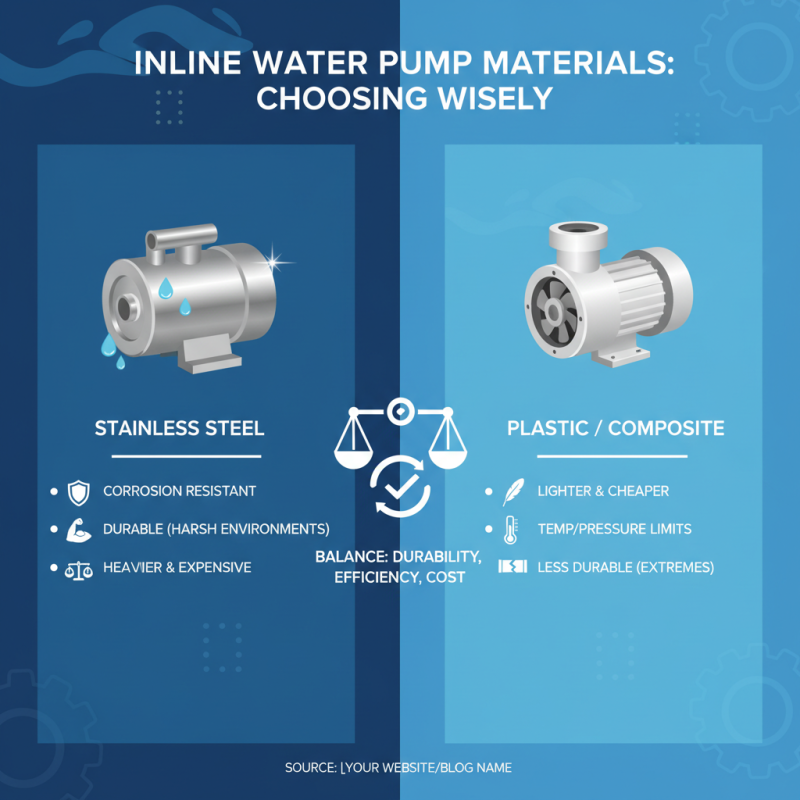
Choosing the right material for your inline water pump is crucial. Different materials can greatly affect durability and efficiency. For instance, stainless steel is resistant to corrosion, making it ideal for harsh environments. However, it tends to be heavier and more expensive. Plastic pumps, while lighter and cheaper, may not withstand high temperatures or pressures. Finding the balance is key.

Size is another critical factor to consider. Selecting a pump that is too small may lead to insufficient water flow. Conversely, an oversized pump can waste energy and lead to inefficiencies. Measure your system's requirements carefully before making a decision. Oversizing might seem beneficial, but it can create unnecessary complications in operation.

Think about the environment where the pump will operate. Extreme conditions may require specialized materials. It’s easy to overlook these details in the excitement of finding a pump. However, ignoring them can lead to costly repairs later on. Choose wisely; your choice now will affect your system’s longevity and performance.

Assessing Energy Efficiency and Operational Costs of Inline Water Pumps

When choosing an inline water pump, energy efficiency and operational costs are crucial factors. A well-designed pump can significantly reduce energy consumption. Look for units that offer high efficiency ratings. These pumps not only save money but also lower environmental impact. Higher efficiency often leads to lower electricity bills, which is beneficial in the long run.

Operational costs include maintenance, repair, and replacement parts. Some pumps might have a lower initial price but can rack up costs over time. Consider the lifespan of the pump and the expected performance. Frequent repairs can escalate expenses unexpectedly.

It’s important to examine power source options. Electric pumps can be more efficient, but installation can be costly. Gas-powered pumps might offer portability but can incur high fuel costs. Balancing the upfront and ongoing costs isn't straightforward. Reflect on your specific needs; sometimes the most efficient option isn't the most obvious one. Assessing the total cost of ownership can prevent surprises later.

Energy Efficiency and Operational Costs of Inline Water Pumps

Considering Installation and Maintenance Requirements for Longevity

Choosing the right inline water pump requires careful consideration of installation and maintenance needs. Proper installation directly impacts the pump’s efficiency and lifespan. According to industry data, poorly installed pumps can reduce efficiency by up to 30%. This inefficiency can lead to higher energy costs and increased wear on the pump itself.

When selecting your pump, think about accessibility for maintenance. Regular check-ups can prevent costly repairs later. Reports suggest that 40% of pump failures are due to inadequate maintenance. Simple cleaning and inspection tasks can make a significant difference.

Tip: Always review your installation environment. Ensure that it allows for easy access to all components. This will save you time and effort down the road.

In addition, consider the materials of the pump. Choosing the right materials can improve durability. For example, corrosion-resistant materials enhance both performance and longevity. Neglecting these factors can result in unexpected maintenance hassles. Always be mindful of how and where you install your pump. Such attention to detail is vital for long-term success.