What is Electrical Steel and Its Importance in Industry?
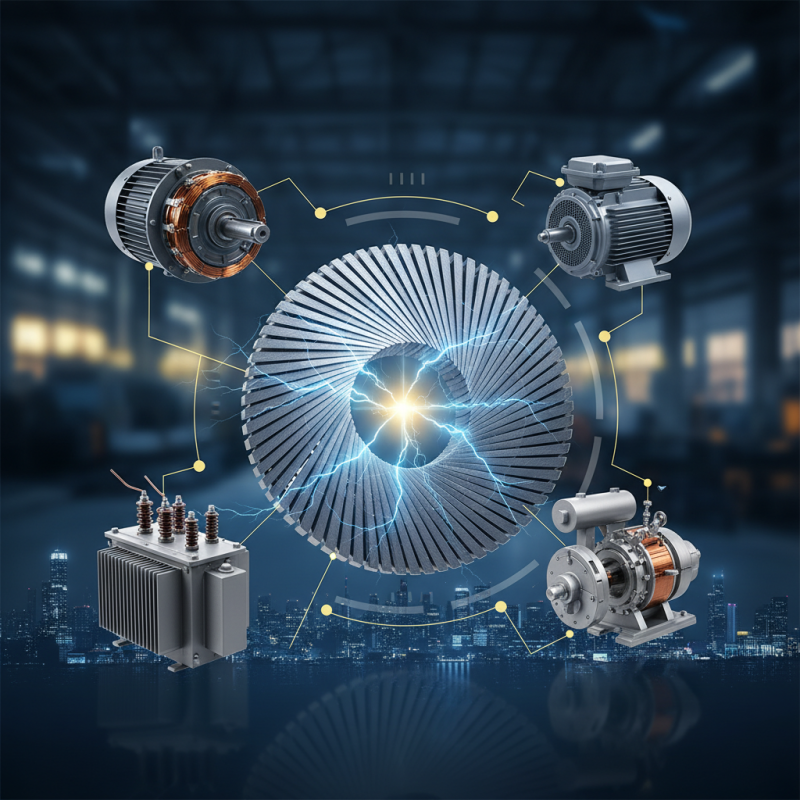
Electricity powers modern life, and one critical component in this process is Electrical Steel. This specialized material is essential for manufacturing electrical machinery. Electric motors, transformers, and generators often rely on high-quality electrical steel to function efficiently. Without it, these machines would operate poorly or not at all.
Electrical steel offers unique properties. It has low core loss and high magnetic permeability, making it ideal for electrical applications. Its role in energy transformation is vital. However, not all electrical steel is created equal. Variations in quality can lead to performance issues. Industries must carefully select their materials to ensure reliability.
The importance of electrical steel goes beyond basic functionality. It impacts energy efficiency and sustainability. As industries strive for greener solutions, the demand for quality electrical steel increases. Reflecting on its significance invites a deeper understanding of industrial processes. The future of energy depends on advancements in materials like electrical steel.
Definition and Composition of Electrical Steel
Electrical steel is a specialized alloy crucial for the construction of transformers and electric motors. It is designed to possess excellent magnetic properties. The composition usually includes silicon, which enhances its electrical resistivity. This feature reduces energy loss during operation. Not all steel is suitable; electrical steel must be meticulously crafted to meet specific industry standards.
The characteristics of electrical steel vary based on its type. Grain-oriented electrical steel is often used in transformers, while non-oriented varieties suit electric motor applications. The grains in oriented steel align in one direction, optimizing magnetic efficiency. In contrast, non-oriented steel has a uniform grain structure. Both types play significant roles in energy efficiency. The right choice can lead to reduced operational costs.
Tips: When choosing electrical steel, consider the application closely. The smallest change in composition can affect performance. Understand the energy losses associated with different types. Reassess your needs periodically to ensure you're using the most efficient materials. This could save money and enhance performance.
Electrical Steel Production by Type (2022)
Types of Electrical Steel and Their Properties
Electrical steel is crucial for many industries, especially in manufacturing electrical devices. This material is designed to reduce energy losses during magnetic flux variations. There are two main types: silicon steel and non-oriented steel. Silicon steel is often used in transformers and induction motors due to its high magnetic permeability. Non-oriented steel, while less efficient, is beneficial for applications requiring multidirectional magnetization.
The properties of electrical steel play a significant role in its performance. For instance, silicone content can range from 0.5% to 6.5%. Higher silicon levels improve electrical conductivity but can make the steel more brittle. Reports indicate that the global market for electrical steel is projected to exceed $30 billion by 2025. This shows its importance in sectors like automotive and renewable energy.
Tips: When selecting electrical steel, focus on its specific application. For motors, ensure it's non-oriented for better performance. Always consider trade-offs like cost versus efficiency. Embrace the exploration of new materials. Innovations frequently arise from challenging traditional choices.
Applications of Electrical Steel in Various Industries
Electrical steel, known for its magnetic properties, plays a vital role across various industries. In the energy sector, it is essential in transformers and electric motors. This steel enhances efficiency by minimizing energy loss. Electric vehicles are increasingly relying on electrical steel due to its lightweight and strong magnetic performance. As the demand grows, innovation is essential.
In industrial applications, electrical steel is widely used in wind turbines and generators. The magnetic core designs help optimize performance, making energy conversion more efficient. However, the production of electrical steel can be resource-intensive. Issues related to sustainability and recycling need better solutions. Each step in manufacturing impacts the environment, which calls for reflection.
The use of electrical steel extends to consumer electronics, including smartphones and laptops. Miniature motors in these devices require high-quality electrical steel for better functionality. However, the challenge lies in ensuring quality while managing costs. For manufacturers, balancing performance and price is crucial. This situation encourages a deeper examination of production methods and material sourcing.
What is Electrical Steel and Its Importance in Industry? - Applications of Electrical Steel in Various Industries
| Industry | Application | Type of Electrical Steel | Key Properties |
| Automotive | Electric Motors | Silicon Steel | High Magnetic Permeability |
| Energy | Transformers | Grain-Oriented Steel | Low Core Loss |
| Industrial | Generators | Non-Oriented Electrical Steel | High Saturation Magnetization |
| Consumer Electronics | Home Appliances | Cold-Rolled Steel | Excellent Formability |
| Renewable Energy | Wind Turbines | Magnetic Steel | High Efficiency |
The Role of Electrical Steel in Energy Efficiency
Electrical steel plays a crucial role in improving energy efficiency across various industries. This specialized steel is designed for use in magnetic applications. Its unique properties allow for reduced energy losses during electrical transformation. When used in transformers and electric motors, it enhances performance significantly. The lower hysteresis and eddy current losses lead to better energy usage.
Many industries are striving for sustainability. Using electrical steel can help achieve that goal. However, not all manufacturers utilize the best grades of electrical steel. Some still opt for subpar materials that compromise efficiency. This choice often leads to higher operational costs and increased environmental impact.
Investing in high-quality electrical steel can be a game-changer. It also requires awareness and commitment from producers and consumers alike. The path to better energy efficiency is not straightforward, but improvements in electrical steel technology provide a promising direction. Embracing these advancements can lead to a more sustainable industrial future.
Future Trends and Innovations in Electrical Steel Manufacturing
The manufacturing of electrical steel is evolving rapidly. As industries shift towards greener technologies, new innovations are critical. Advanced production methods are being explored to enhance the performance of electrical steel. This material is essential for electric motors and transformers. Developing lighter and more efficient versions could significantly reduce energy loss.
Innovative techniques are also focused on nanostructuring. This could improve magnetic properties, making the steel more efficient. However, challenges remain. The manufacturing processes can be complex and costly. There’s a constant need for balance between innovation and practicality.
Another promising trend is recycling electrical steel scrap. This not only reduces waste but also cuts down raw material costs. The industry must embrace circular economy principles. Yet, the existing infrastructure for recycling needs upgrades. Overall, these innovations hold the potential to revolutionize the electrical steel sector. It's an area worth watching closely as it progresses.