What is an Electric Water Pump and How Does It Work?
Electric water pumps play a crucial role in various industries, including agriculture, construction, and municipal water systems. According to the Global Market Insights report, the electric water pump market is expected to reach $13 billion by 2026. This growth highlights the increasing reliance on electric water pumps for efficient water management.
Understanding how electric water pumps function is essential for optimizing their use. These pumps convert electrical energy into mechanical energy, creating pressure to move water. This process is vital for applications ranging from irrigation systems to industrial processes. However, many users overlook maintenance. Poor maintenance can lead to inefficiencies and reduced lifespan.
Electric water pumps are not infallible. Factors such as power outages and mechanical failures can disrupt their operation. Users must be aware of these potential issues to ensure reliable performance. With the right knowledge and proactive maintenance, electric water pumps can significantly improve water distribution and usage efficiency across various sectors.
What is an Electric Water Pump?
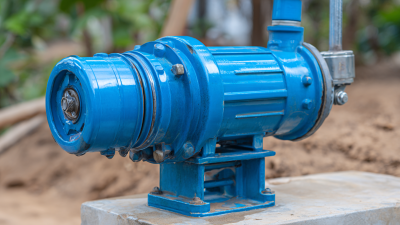
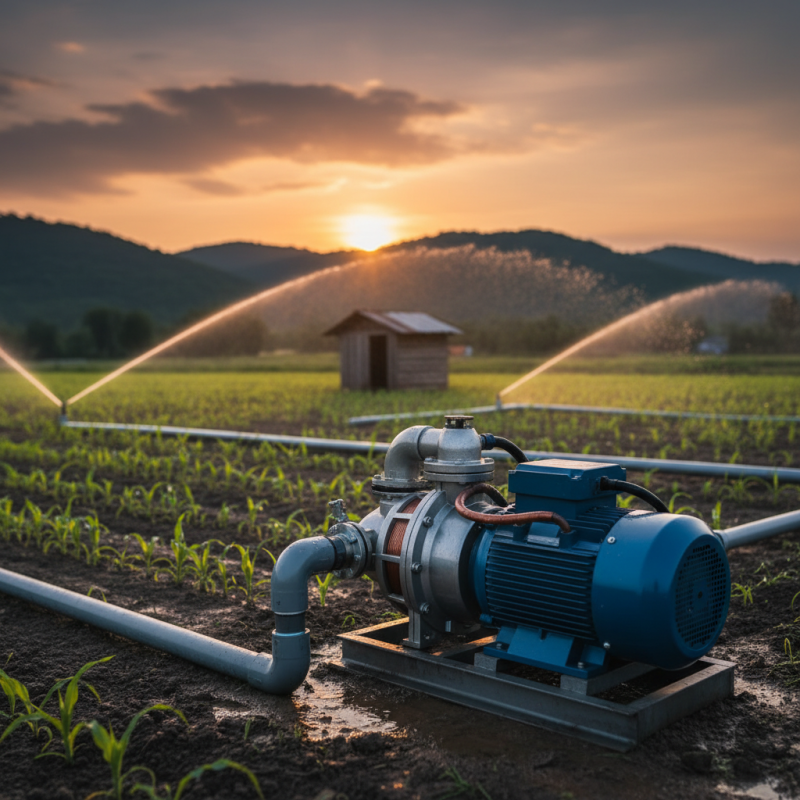
An electric water pump is a vital device that moves water efficiently. It uses electrical energy to create mechanical energy, allowing water to flow from one point to another. Typically, these pumps are used in household systems, agricultural settings, and industrial applications. They can handle various water applications, such as irrigation or draining water from flooded areas.
Operating an electric water pump involves several components. The motor spins an impeller, which pushes water through the pump. In some designs, a centrifugal force is generated to move the water. However, not all pumps work the same way. Some may struggle with larger volumes or thicker fluids. This inconsistency is where users must reflect and understand their specific needs.
Maintenance is crucial for longevity. Regular checks on seals, filters, and even the power supply will ensure efficient operation. Yet, many overlook these tasks, which can lead to reduced efficiency. Observing water pressure and flow is simple but often ignored. This can help catch problems early. Even the best electric water pumps require attention, so keeping a routine maintenance schedule is essential.
The Components of an Electric Water Pump
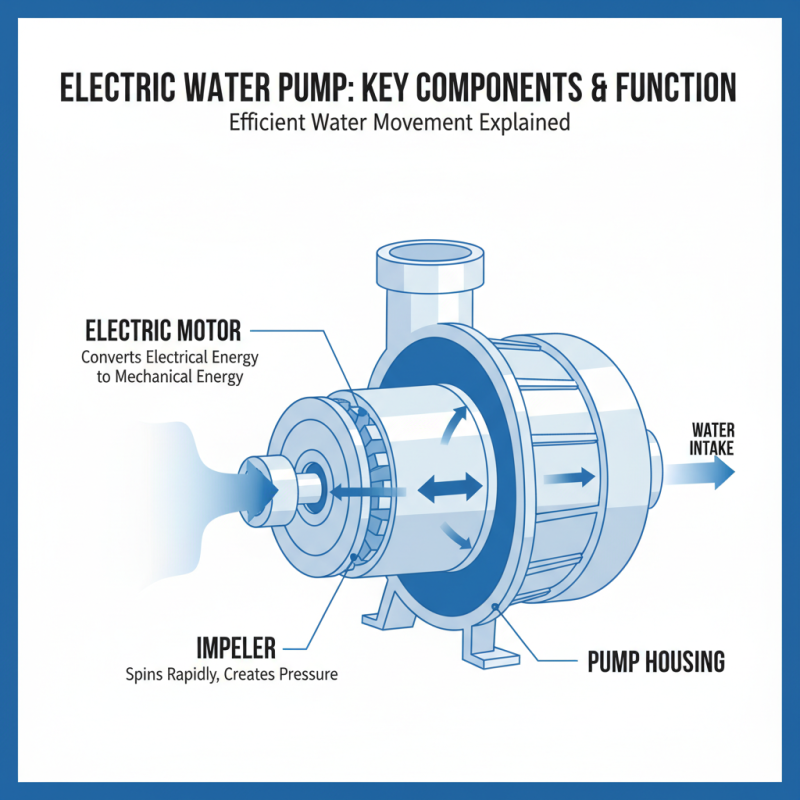
An electric water pump consists of several essential components working together to move water efficiently. At the core is the motor, which powers the pump. The motor converts electrical energy into mechanical energy, driving the impeller. This impeller spins rapidly to create pressure and push water through the system.
Another crucial element is the casing. This housing encases the impeller, directing the flow of water into the discharge pipe. The discharge pipe carries the water to its intended destination. Additionally, a seal is necessary to prevent leaks and maintain the pump's efficiency. Without a proper seal, water may escape, leading to malfunctions.
In some designs, a control system manages the pump's operation. This system can include pressure switches or variable frequency drives. They help regulate the pump's speed according to the water demand. However, the integration of advanced components can sometimes complicate repairs. Understanding these components is vital for troubleshooting and maintenance. Each piece plays a role, yet the system's complexity can lead to challenges.
How Does an Electric Water Pump Operate?
An electric water pump operates by converting electrical energy into mechanical energy. When electricity flows through the pump, it energizes a motor. This motor drives the pump's impeller, which is a rotating component. The movement of the impeller creates suction, pulling water into the pump. As the impeller spins faster, it pushes the water out through the discharge pipe.
The system relies heavily on its design, including the impeller size and shape. A larger impeller moves more water. However, it can also lead to energy inefficiency. Not all pumps are built the same. Some are better suited for specific tasks than others. Situating the pump too far from the water source can reduce its efficiency.
Issues can arise during operation. Overheating is common if the pump runs dry. This can cause damage to the motor. Regular maintenance is vital to prevent such problems. Clean the filters and check for obstructions. Remember, a well-functioning pump is crucial for effective water movement.
Types of Electric Water Pumps and Their Applications
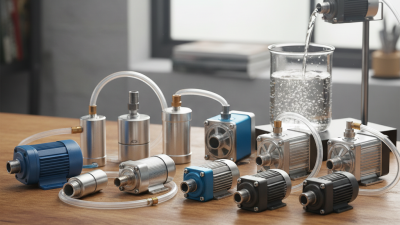
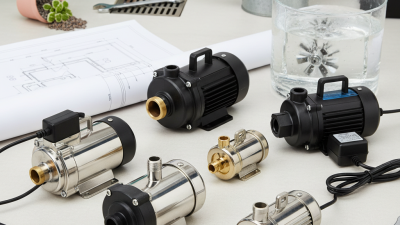
Electric water pumps come in various types, each tailored for specific applications. For instance,
submersible pumps are designed to be submerged in water.
They efficiently pump water from wells or drainage sites. These pumps are ideal for agriculture and
residential water supply.
Another common type is the centrifugal pump.
It relies on a rotating impeller to move water. This type is widely used in swimming pools and industrial applications.
Centrifugal pumps are great for moving large volumes of water quickly.
Tips: Ensure regular maintenance of your electric water pump.
This can prevent breakdowns. If you notice unusual noises, it may indicate a problem.
When choosing a pump, consider its flow rate and
head pressure. An improper selection might lead to inefficiency
or even damage. Some people overlook these aspects. Assess your needs carefully before making a decision.
Advantages and Disadvantages of Using Electric Water Pumps
Electric water pumps are a popular choice for various applications, from residential use to industrial processes. They offer several benefits. For starters, they are easy to operate and maintain. Most models require minimal manual intervention. This ease makes them ideal for everyday tasks like watering gardens or draining water.
However, electric water pumps also have drawbacks. They depend on electricity, which can limit their use in remote areas. If there's a power outage, the pump will not function. Additionally, continuous use can lead to overheating, which may shorten its lifespan. The initial cost can also be high, potentially discouraging some users from making the investment.
In terms of efficiency, electric water pumps are quite effective, but they may be overkill for small tasks. Sometimes, people choose them without considering alternatives like manual pumps. It's essential to evaluate the specific needs before deciding. Weighing the pros and cons can help determine if an electric water pump is the right fit. Understanding these factors makes for better decision-making in the long run.
What is an Electric Water Pump and How Does It Work? - Advantages and Disadvantages of Using Electric Water Pumps
| Feature |
Details |
| Definition |
An electric water pump is a device that moves water using electrical energy to create flow and pressure. |
| How It Works |
Electric motors energize water through impellers or other mechanisms to pump water from one location to another. |
| Advantages |
1. Efficient energy usage
2. Low maintenance
3. Versatile applications
4. Quiet operation |
| Disadvantages |
1. Dependence on electricity
2. Initial cost can be high
3. Not suitable for all environments, especially in remote areas |
| Common Uses |
Irrigation, water supply systems, HVAC systems, aquariums, and swimming pools. |