How to Choose the Right Bore Pump for Your Needs?
Choosing the right bore pump can significantly impact your water supply system. Bore pumps are essential for extracting groundwater efficiently. With various types and specifications, selecting the ideal one can be challenging.
To make an informed decision, consider your specific needs. Evaluate factors like the depth of your borehole and the water demand for your applications. Not every bore pump will meet your requirements. Some models handle higher flow rates while others are designed for deeper wells.
Understanding these differences is crucial. Consult with experts who can provide authoritative insights. Their experience can guide you in selecting a reliable bore pump that matches your expectations. Remember, the right choice ensures efficiency and longevity for your water system.
Factors to Consider When Selecting a Bore Pump for Specific Applications
When selecting a bore pump, several factors must be considered. The depth of the water table is critical. A pump designed for shallow depths will underperform in deeper applications. Industry reports indicate that nearly 40% of bore pump failures stem from inappropriate depth selection. Understanding your specific well depth can save substantial costs in the long run.
Additionally, the water yield and quality must be assessed. High sediment levels can wear down pumps quickly. According to recent studies, pumps operating in high-sediment conditions experience a 30% decreased lifespan. Knowing the water's characteristics helps in choosing the right materials and pump types to ensure durability and efficiency.
Motor power is another essential factor. Not every application needs a high-power motor. Overpowered pumps can lead to wasted energy and increased operational costs. In fact, a study by the International Water Association found that oversizing bore pumps accounted for up to 25% of energy inefficiency. Carefully calculating your requirements can help in selecting an appropriate power level for your specific needs.
Understanding Flow Rates and Head Heights in Bore Pump Selection
Selecting the right bore pump hinges significantly on understanding flow rates and head heights. Flow rate refers to the volume of water a pump can deliver over a set period, typically measured in liters per minute (L/min) or gallons per minute (GPM). Industry reports indicate that for residential applications, a flow rate of 10 to 25 GPM is common. However, agricultural operations may demand upwards of 50 GPM. Knowing your specific needs guides the selection process.
Head height is another critical factor. It denotes the vertical distance a pump can move water. The total dynamic head (TDH) encompasses static lift, friction loss, and other variables. According to the Hydraulic Institute, each pump has a specific TDH limit. For residential systems, a head height of up to 50 feet (15 meters) is typical. Striking a balance between flow and head ensures efficient pump operation.
Consider evaluating your water demand regularly. For efficiency, a slightly oversized pump can be beneficial to handle peak demands. Equally, a smaller pump may reduce energy costs but could perform inadequately during high-demand periods. Understanding these elements provides a clearer picture of how to choose a bore pump that meets your requirements effectively.
The Importance of Pump Materials and Corrosion Resistance
When selecting a bore pump, the materials used in its construction are crucial. Corrosion resistance directly affects the pump's lifespan and efficiency. Pumps exposed to harsh substances, like saltwater or acidic fluids, can deteriorate quickly. Using high-quality materials can significantly mitigate these risks. Stainless steel, for instance, offers excellent corrosion resistance, making it a popular choice.
However, not all applications require top-tier materials. For less aggressive environments, a less expensive alternative may suffice. This decision must balance cost and durability. Regular inspections can help identify corrosion issues early. Sometimes, seeing those first signs can be daunting. It’s essential to remain proactive in monitoring equipment.
Additionally, the pump's operational conditions play a significant role. Temperature extremes can accelerate corrosion, affecting material choice. A thorough understanding of the environment will aid in making an informed decision. The right materials can enhance performance, but sometimes trial and error is necessary. Learning from past choices shapes better future outcomes.
How to Choose the Right Bore Pump for Your Needs? - The Importance of Pump Materials and Corrosion Resistance
Energy Efficiency Ratings: Maximizing Performance and Cost Savings
When selecting a bore pump, energy efficiency should be a top priority. Energy-efficient pumps can significantly reduce operating costs over time. According to the U.S. Department of Energy, replacing an old pump with a high-efficiency model can lead to energy savings of up to 30%. This not only benefits your wallet but also supports sustainable practices by reducing energy consumption.
Efficiency ratings, such as the Energy Efficiency Index (EEI), serve as valuable indicators. A high EEI indicates better performance while using less energy. Reports show that pumps with an EEI rating of 0.5 or lower are optimal for cost savings and long-term sustainability. In contrast, pumps with lower ratings may save pennies today but lead to higher costs over their lifespan. Make an informed decision by consulting the efficiency ratings when evaluating options.
However, energy efficiency can be complicated. Sometimes, a highly rated pump may not be the best choice for all applications. It is essential to match the pump's capabilities with your specific water needs. Identify the flow rates and pressure requirements for your application before making a choice. This may reveal that a less efficient pump is more suitable for your situation. Balancing efficiency with actual requirements can lead to better operational harmony.
Assessing Installation Requirements and Maintenance Needs for Bore Pumps
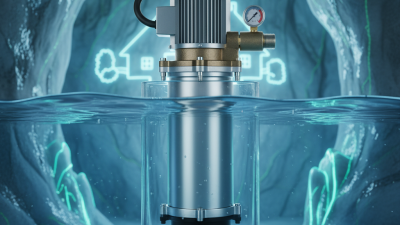
When choosing a bore pump, assessing installation requirements is crucial. Consider the depth of the borehole and the water table level. These factors greatly influence the pump's type and capacity. A deeper bore may require a submersible pump, while a shallow one might work with a surface pump. Additionally, the diameter of the borehole can limit pump options. It's important to measure accurately and consult with professionals if needed.
Maintenance needs should not be overlooked. Regular checks can prevent costly breakdowns. Look for signs of wear, such as unusual noises or reduced water flow. Be aware that certain environmental factors can affect pump performance. In sandy or mineral-rich areas, pumps may clog more easily. Developing a routine, even if it feels tedious, can save time and money in the long run.
While understanding these requirements, keep in mind that no installation is perfect. There will always be unforeseen issues or challenges. Maybe your pump works well for some time and then falters. Reflect on your choices, and don't hesitate to seek expert guidance. Making informed decisions enhances your setup's reliability and efficiency.
How to Choose the Right Bore Pump for Your Needs? - Assessing Installation Requirements and Maintenance Needs for Bore Pumps
| Pump Type |
Recommended Depth (m) |
Flow Rate (L/min) |
Power Requirement (kW) |
Maintenance Frequency |
| Submersible Pump |
15-50 |
50-200 |
1.5-7.5 |
Annually |
| Jet Pump |
10-40 |
30-100 |
1-5 |
Biannually |
| Hand Pump |
Up to 15 |
5-30 |
N/A |
As needed |
| Solar Pump |
10-40 |
20-150 |
0.75-3 |
Annually |