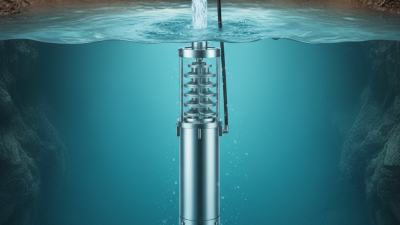
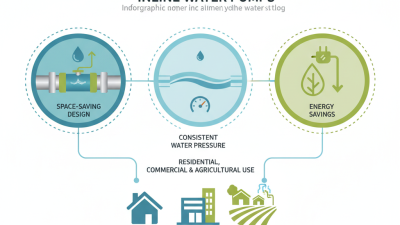
Top 10 Tips for Choosing the Best Small Submersible Pump for Your Needs
When it comes to managing water in various applications, selecting the right equipment is crucial for efficiency and effectiveness. A small submersible pump is an excellent choice for draining water from basements, emptying swimming pools, or managing irrigation systems. However, with the plethora of options available on the market, choosing the best small submersible pump for your specific needs can be daunting. The key is to understand the factors that influence functionality and performance, which will greatly aid in making an informed decision.
In this guide, we will explore the top 10 essential tips for selecting the ideal small submersible pump. From assessing pump capacity and power requirements to evaluating features like portability and durability, our comprehensive approach will ensure that you consider all necessary aspects. Whether you are a homeowner dealing with seasonal flooding or a professional in need of reliable water management solutions, understanding these critical elements will help you find a small submersible pump that meets your needs without compromise. Let's dive into the key considerations that will guide you in your selection process.
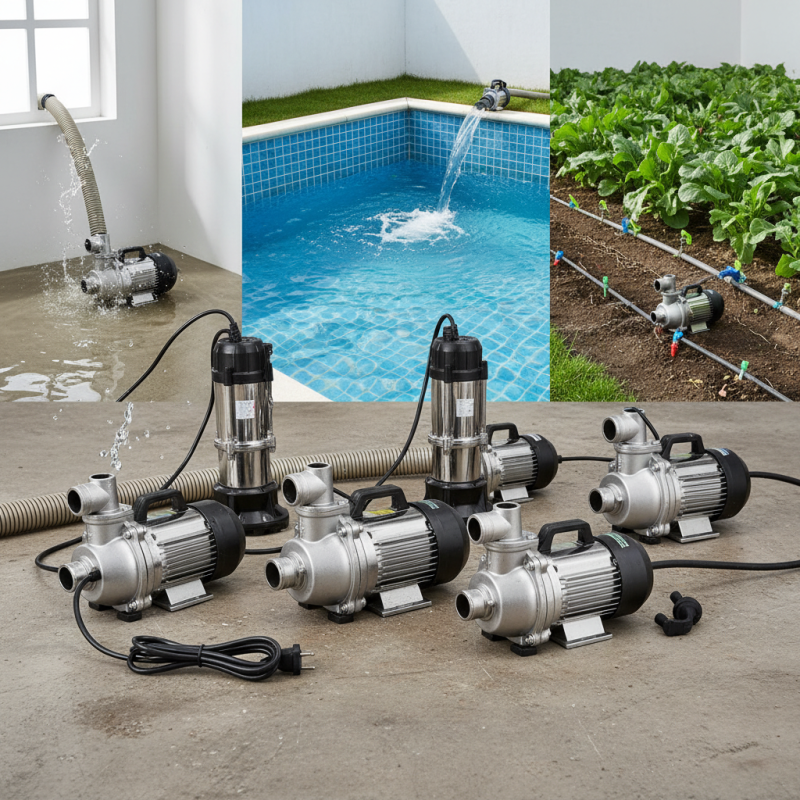
Factors to Consider When Selecting a Small Submersible Pump
When selecting a small submersible pump, there are several crucial factors that should guide your decision. First and foremost, it is essential to consider the pump's flow rate, which indicates how much water the pump can move within a specific timeframe. According to the American Society of Agricultural and Biological Engineers (ASABE), the ideal flow rate varies depending on the application, but the average household needs a pump with a flow rate of at least 2000-2500 gallons per hour for effective operation.
Another key factor is the pump's horsepower (HP), which directly influences its ability to handle the required load. Most small submersible pumps operate between 0.5 to 2 HP, with the choice depending on the depth of the water source and the distance the water needs to be lifted. Additionally, consider the pump’s materials, such as corrosion-resistant stainless steel or thermoplastic, especially if it will be used in harsh environments. According to industry reports, pumps made with high-quality materials can significantly extend the lifespan of the equipment, thus offering better long-term value for the investment.
Lastly, the design and size of the pump's impeller can affect both its efficiency and durability. A well-designed impeller can reduce the energy consumption by up to 30% compared to a standard design, thus aligning with the growing demand for energy-efficient solutions in residential and commercial settings. By thoroughly assessing these factors, users can ensure that their selected small submersible pump meets their specific needs while optimizing performance and sustainability.
Understanding Different Types of Small Submersible Pumps Available
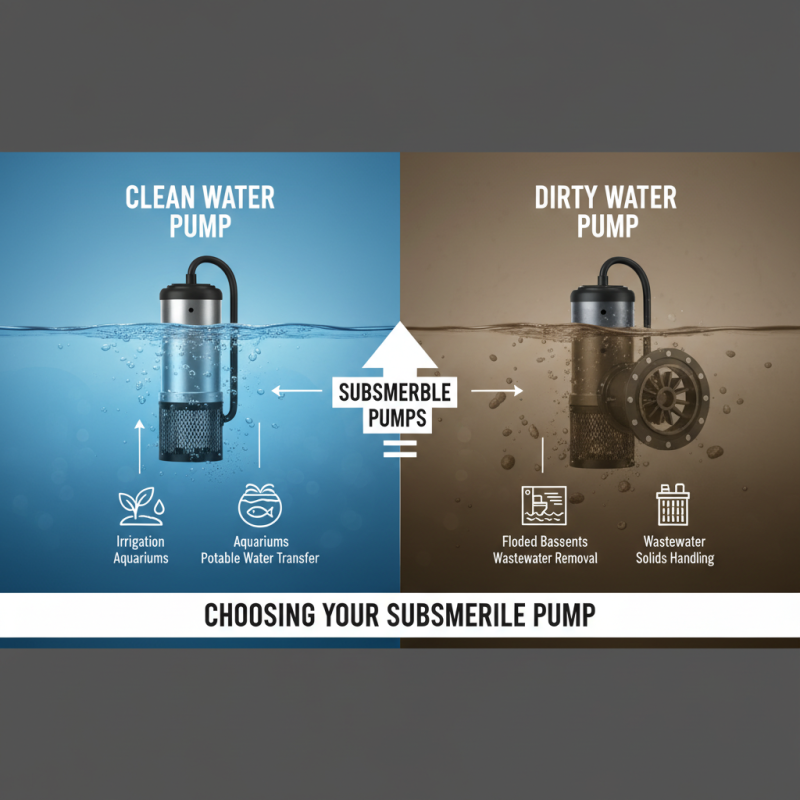
When selecting a small submersible pump, it’s essential to understand the variety of types available on the market. Submersible pumps can broadly be classified into two categories: dirty water pumps and clean water pumps. Dirty water pumps are specifically designed to handle fluids containing solids, making them ideal for draining flooded basements or removing wastewater. In contrast, clean water pumps are used for transferring potable water and other non-contaminated liquids, often utilized for irrigation, aquariums, and fountains.
Another important distinction is between the construction materials of the pumps, which can impact their durability and performance. Plastic pumps tend to be lightweight and corrosion-resistant, whereas metal pumps, often made from stainless steel or cast iron, provide added strength and are suitable for more demanding applications. Additionally, consider the power source; submersible pumps can be electric, battery-operated, or even solar-powered, catering to different needs and environments. Understanding these variations can greatly influence your decision, ensuring that you choose a pump that aligns with your specific requirements and conditions.
Assessing the Required Pump Capacity and Performance Ratings
When selecting a small submersible pump, a key factor to consider is the required pump capacity and performance ratings to ensure the unit meets your specific needs. Typically measured in gallons per hour (GPH) or liters per minute (LPM), pump capacity should be assessed based on the volume of water to be moved and the application environment. For instance, if you're dealing with a flooded basement, a pump rated at 3,000 GPH can effectively handle substantial water removal challenges, while smaller jobs, such as aquarium water changes, may only require a pump with a capacity of around 500 GPH.
Moreover, performance ratings should encompass not only the flow rate but also the head height, which indicates how high the pump can lift water vertically. According to the Hydraulic Institute, the head performance is typically outlined in pumps under various flow rates, showing that efficiency can drop significantly if a pump operates outside its optimal range. Thus, ensuring the chosen submersible pump's head height aligns with your installation requirements is crucial; a pump with too low a head might fail to deliver adequate water pressure, whereas one with too high a head might consume unnecessary energy. By carefully evaluating these parameters, users can make informed decisions that lead to effective and efficient water management solutions.
Top 10 Tips for Choosing the Best Small Submersible Pump
This chart illustrates important specifications you should consider when choosing a small submersible pump, including flow rate, head height, power consumption, weight, and price. Make sure the pump meets your specific needs based on these factors.
Evaluating Durability and Material Quality for Longevity
When selecting a small submersible pump, evaluating
durability
and
material quality
is crucial for ensuring longevity. The materials used in the construction of the pump directly impact its resistance to corrosion and wear, especially when operating in harsh environments. Common materials include
stainless steel, which offers excellent corrosion resistance, and
thermoplastics, which can provide durability at a lower cost. Always check the specifications for material information to ensure that it aligns with your intended use, whether it be for
garden ponds,
aquariums, or
wastewater removal.
In addition to material quality, consider the pump's design features that contribute to its overall durability. Look for pumps with
reinforced housing and
robust impellers, as these elements can significantly enhance the lifespan of the unit. Furthermore, be mindful of the pump's
thermal protection features, which prevent overheating during operation. A pump designed with high-quality seals and bearings will also resist wear better, ensuring a longer service life.
To make an informed choice, always read product reviews and gather user experiences. Feedback can provide valuable insights into the pump's performance in real-world scenarios, particularly regarding its
durability over time. Lastly, compare warranties offered by different manufacturers, as a longer warranty period often indicates a company's confidence in their product's durability and material quality.
Budgeting for Your Small Submersible Pump Purchase and Maintenance
When budgeting for your small submersible pump purchase, it is essential to start by determining the specific features and capabilities you need. Consider factors such as the pump's maximum flow rate, head height, and the type of liquids it will handle. These specifications can greatly influence the cost. Additionally, be sure to factor in any extra accessories you might require, such as hoses or connectors, which can add to the initial expenditure. It's wise to compare prices from different sellers to ensure you're getting the best value without compromising on quality.
Maintenance costs should also be taken into account when budgeting for your pump. Routine checks and preventive maintenance can prolong the life of the pump, but they do require time and resources. Consider potential costs for replacement parts or professional servicing if needed. Planning for these expenses from the outset can help avoid sudden financial strain down the line. Ultimately, a thoughtful budget that encompasses both purchase and maintenance will help you make a more informed decision and ensure that your investment serves your needs effectively over time.