Which Is the Best China Zero Leakage Butterfly Valve?
Choosing the best China Zero Leakage Butterfly Valve requires more than comparing prices or polished product photos. Performance depends on design, materials, manufacturing control, and testing discipline. A dependable Zero Leakage Butterfly Valve should close smoothly, maintain stable sealing pressure, and resist wear during repeated operation.
In practical projects, small details matter. The disc edge must align accurately with the seat. The stem should turn without unusual torque. A PTFE, EPDM, or other elastomer seat must match the medium, temperature, and pressure range. During inspection, pressure testing should reveal no visible leakage around the disc, shaft, or body joints. Clear test records matter.
China has many capable valve manufacturers, but quality is not uniform. Some suppliers offer strong engineering teams, traceable materials, and documented production controls. Others rely heavily on standard claims without explaining actual test conditions. That difference can affect shutdown reliability, maintenance costs, and equipment safety. The word “zero” also needs careful interpretation. No valve should be trusted without defined pressure, temperature, installation, and testing conditions.
This guide examines how to compare Chinese manufacturers, valve structures, sealing materials, certifications, and after-sales support. It considers factory experience, inspection methods, and evidence from real applications. Product brochures are useful. They are not enough. A careful buyer should request drawings, test reports, material certificates, and reference projects before selecting a supplier. Even experienced engineers can overlook compatibility issues. That is why practical verification remains essential.
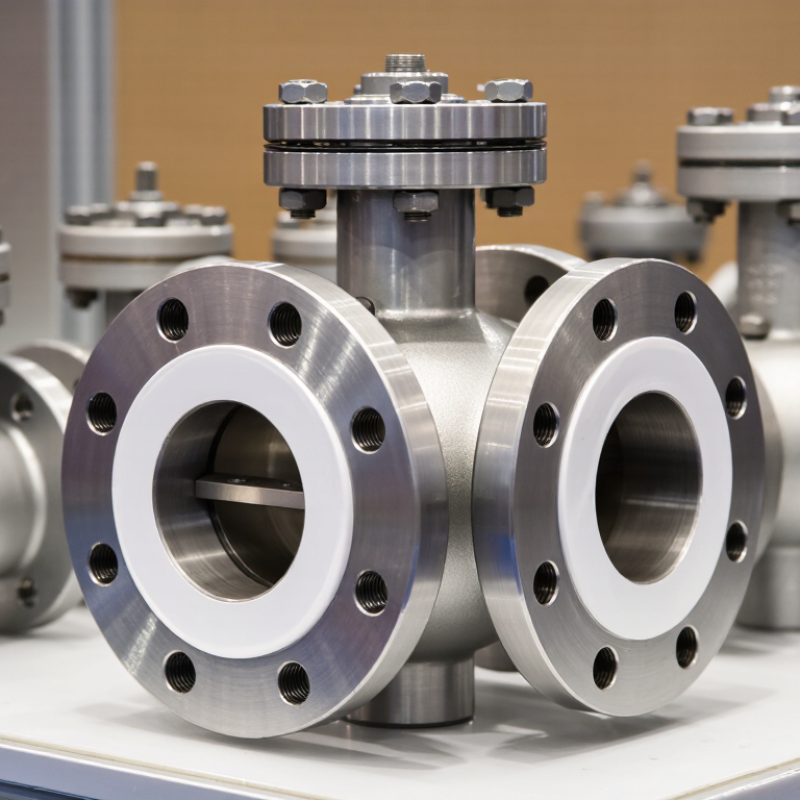
What Defines a Zero-Leakage Butterfly Valve?
What defines a zero-leakage butterfly valve is not a marketing phrase. It is a verified sealing performance under specified test conditions. ISO 5208:2015 uses leakage-rate classifications, with Rate A requiring no visually detectable leakage during the test. API 598 also establishes pressure-testing practices for industrial valves. These standards matter because a valve can pass a factory test yet leak after installation. Pipe misalignment, damaged seats, incorrect torque, and temperature changes can alter performance.
A reliable design usually combines a resilient or metallic seat, accurate disc alignment, controlled shaft tolerances, and repeatable actuator torque. The sealing edge should contact the seat evenly, like a clean rubber gasket pressed around a circular door. Small particles can interrupt that contact. The U.S. Department of Energy’s Improving Compressed Air System Performance sourcebook estimates that leakage may waste 20–30% of compressor output, showing why small failures deserve attention. That figure concerns compressed-air systems, not butterfly valves alone, but the operating lesson remains useful. Field conditions differ. I would not call any valve permanently leak-proof without checking media, pressure, temperature, cycling frequency, and installation quality. A better specification states the test standard, allowable leakage class, test pressure, and inspection method. The strongest evidence is traceable test data, not a broad “zero leakage” claim.
How China Zero-Leakage Butterfly Valves Are Designed
China zero-leakage butterfly valves are designed around one demanding point: controlled contact between the disc and seat. “Zero leakage” usually describes a tested performance class, not an endless promise. Engineers select the sealing method according to pressure, temperature, fluid, and cycling frequency. A resilient seat can provide tight closure with modest torque. A metal seat tolerates heat, abrasion, and harsher service. The choice changes the whole valve.
Many modern designs use an offset stem, allowing the disc to move away from the seat during opening. This reduces rubbing and protects sealing edges. The disc often receives precise machining and surface treatment. The stem must resist twisting under high closing torque. Bearings support alignment through repeated cycles. Small errors matter. A slight shaft offset, uneven seat compression, or rough finish can create a visible leak during testing. Body thickness and flange accuracy also affect long-term stability. No design is flawless.
Reliable production depends on more than geometry. Each valve should undergo dimensional checks, pressure testing, and seat leakage testing under documented conditions. Inspectors should verify material certificates, torque records, calibration status, and test medium. A useful question is whether factory results match installation conditions. Often, they do not. That gap deserves attention. Designers should consider maintenance access, actuator sizing, pipe stress, and temperature changes. A valve that seals perfectly in a workshop may behave differently after poor alignment or repeated thermal cycling. This is where engineering judgment matters more than a sales phrase.
Which Materials and Sealing Systems Affect Valve Performance?
Choosing the best China zero leakage butterfly valve starts with materials, not price. The valve body must suit pressure, temperature, and surrounding conditions. Ductile iron works well in many water systems. Carbon steel handles tougher industrial service. Stainless steel offers stronger corrosion resistance, especially with aggressive fluids.
The disc and stem also influence reliability. Stainless steel stems resist wear around the packing area. Disc coatings can reduce corrosion and friction. However, a shiny surface does not guarantee long service. I have seen poorly matched coatings fail after repeated cycling. Small scratches can damage the seat and create leakage paths.
The sealing system deserves closer attention. EPDM seats suit water and mild fluids, while NBR performs better with selected oils. FKM tolerates higher temperatures, but compatibility must be verified. PTFE handles many chemicals, although it may deform under heavy loads. For demanding pressure cycles, an offset design can reduce seat contact during opening. Metal-seated systems tolerate heat and abrasive media, but they rarely provide the same tight shutoff as resilient seats. Testing should follow recognized standards, such as ISO 5208 or API 598. Ask for test records, material certificates, and cycle data. “Zero leakage” needs evidence. —It's not a slogan. Installation matters too; uneven flange alignment can damage even a well-designed seal.
How to Evaluate Quality, Standards, and Leakage Testing
Choosing the best China-made zero leakage butterfly valve requires more than comparing prices. Evaluate its design, records, and tested performance under actual service conditions. During inspection, examine the body casting, shaft alignment, disc edge, and seat surface. A smooth seat matters. Uneven contact can create a visible leakage path. Request material certificates, dimensional drawings, pressure ratings, and traceable inspection records. Clear documentation often separates controlled production from attractive claims.
For quality evaluation, check which standard governs each test. ISO 5208 and API 598 are common references, while EN 12266 may apply to European projects. Do not accept a certificate without the test pressure, duration, medium, and acceptance class. Shell testing checks pressure containment. Seat testing checks sealing around the disc. Ask whether testing covers both flow directions. Some designs seal differently when pressure reverses. That detail is easy to miss.
A reliable manufacturer should record serial numbers, calibrated gauges, operator identity, and test dates. During a witnessed test, watch the pressure gauge, shaft movement, and outlet drain. Clean water is common, but service compatibility still matters. Particles, heat, and repeated cycling can change results. Zero visible leakage during one test is not permanent perfection. It is evidence, not a guarantee. A low-cost valve may pass factory testing yet fail after poor storage or installation. That risk deserves honest attention.
Which China Zero-Leakage Butterfly Valve Fits Your Application?
Choosing a China zero-leakage butterfly valve starts with the application, not the catalog label. “Zero leakage” should refer to a test standard, pressure direction, and defined acceptance limit. For clean water at moderate temperatures, a resilient seat can provide tight shutoff and lower cost. Hot oil, steam, or abrasive slurry requires different materials, clearances, and seat designs. The right valve is application-specific.
Check the actual service data: DN, pressure class, temperature range, medium chemistry, flow velocity, cycling frequency, and installation orientation. A valve handling chilled water may fail early with saturated steam. EPDM, PTFE, and NBR behave differently. Shaft sealing also matters where dust, moisture, or emissions are concerns. Request torque curves, pressure-test reports, material certificates, and cycle-test results from the manufacturer.
During factory evaluation, inspect casting surfaces, seat finish, concentricity, and actuator calibration. Witnessing hydrostatic and seat tests can reveal more than a polished brochure. Specify bidirectional shutoff when reverse pressure is possible. Include spare seats and clear acceptance criteria. I have seen projects focus too heavily on purchase price, then face costly maintenance. That judgment was incomplete. Lifecycle cost deserves equal attention. Even a well-built valve can leak after poor alignment or excessive pipe stress. Allow time for installation checks and commissioning records.
Which China Zero-Leakage Butterfly Valve Fits Your Application?
Pressure class is one of the first selection criteria for a zero-leakage butterfly valve. The chart compares common PN-rated classes used in water, HVAC, and general industrial piping. Actual suitability also depends on the seat material, fluid compatibility, temperature, and test standard.
PN ratings are nominal pressure designations defined by metric piping standards: PN6, PN10, and PN16 correspond to 6, 10, and 16 bar respectively. For zero-leakage performance, verify the valve’s shut-off test documentation against ISO 5208 or API 598, together with the required operating temperature and medium compatibility.