
Our Blog
Check out our innovative pump solutions and industry insights to see what's new in the pumping industry. Stay up to date with the latest trends and news in the world of pumping technology by following our pumping technology blog.
- Home
- Blog
How to Choose the Best Borehole Pumps for Your Needs?
When selecting borehole pumps, it's essential to understand your specific needs. According to John Smith, a leading expert in water management, “Choosing the right borehole pump can determine the efficiency of your water supply.” His insights reflect the complexity of this decision.
Borehole pumps serve various applications, each requiring distinct features. Factors such as depth, water quality, and required flow rates are crucial in making the right selection. A pump that works well in one environment might not perform in another. It’s vital to evaluate these aspects carefully.
Reliability is paramount in borehole pumps. Decisions should not be based solely on price. An unreliable pump can lead to costly repairs and water shortages. Reflecting on user experiences can provide valuable insights, guiding you toward the most suitable choice. Always consider the long-term impact of your decision.
Understanding Borehole Pumps and Their Applications
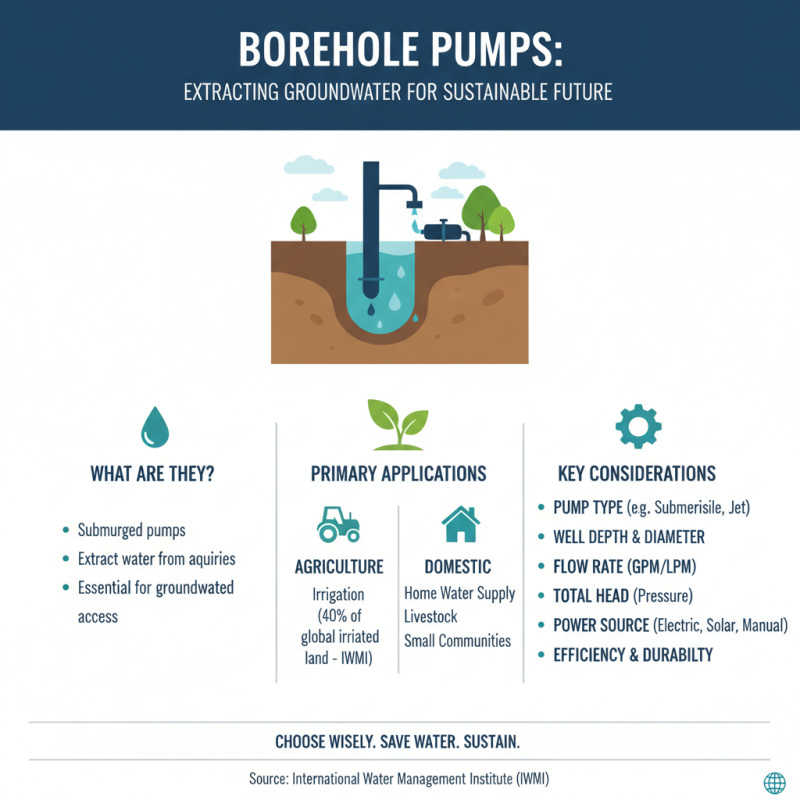
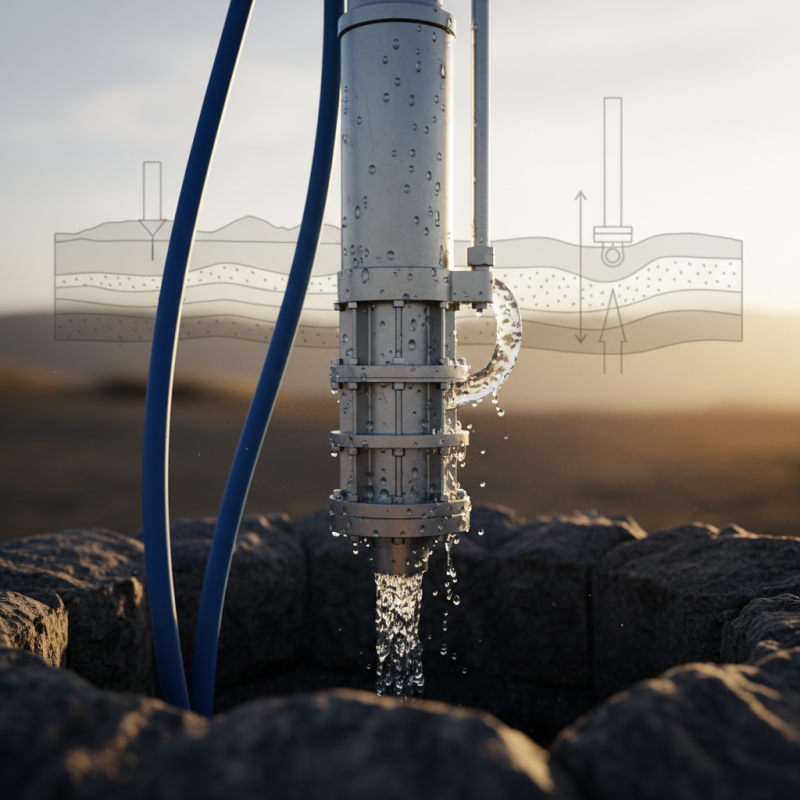
Borehole pumps are essential tools for extracting water from underground aquifers. Their applications range from agricultural irrigation to domestic water supply. Understanding the types and specifications of these pumps is vital to making an informed decision. According to the International Water Management Institute (IWMI), over 40% of the world's irrigated land relies on groundwater. Thus, choosing the right borehole pump is crucial for efficiency and sustainability.
When selecting a borehole pump, consider flow rate and depth requirements. A submersible pump is ideal for deep wells, while a jet pump may suffice for shallower applications. Keep in mind that efficiency ratings can vary significantly. Some reports indicate that up to 30% of energy in borehole pumping can be lost due to poor pump selection.
**Tip:** Always consult with professionals or conduct thorough research on pump specifications. Incorrect installation can lead to increased operational costs. Assessing power supply options is equally important. Mismatched power sources can result in damage to the pump or inefficiency.
Remember, each borehole is unique. Factors like water quality and sediment content also influence pump performance. Investing time in understanding these elements can save both time and resources in the long run. Make sure to review energy usage as well. Optimize your choice based on long-term operational costs rather than initial purchase price.
Identifying Your Water Needs and Pump Requirements
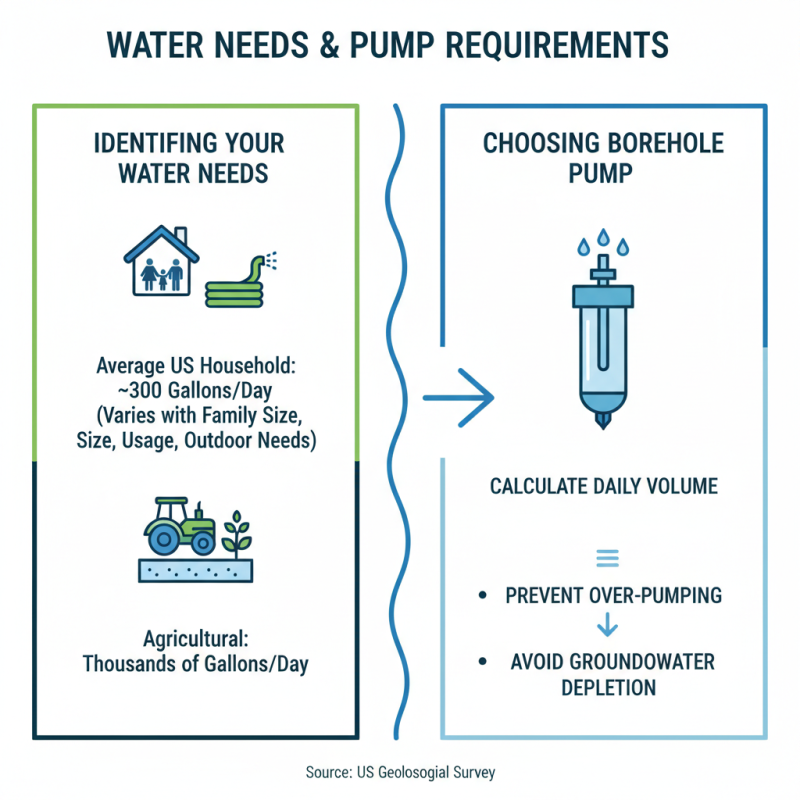
Identifying your water needs is crucial when choosing borehole pumps. Begin by assessing the volume of water required daily. According to the U.S. Geological Survey, an average household consumes about 300 gallons of water per day. This figure could vary based on family size, usage patterns, and outdoor needs. For agricultural purposes, the requirements can skyrocket, exceeding thousands of gallons each day. Proper calculations prevent over-pumping, which can lead to groundwater depletion.
Next, consider the pump's performance specifications. The required flow rate is measured in gallons per minute (GPM). Estimates suggest that for basic domestic needs, a flow rate of 5-10 GPM is sufficient. However, agricultural operations might demand 15 GPM or more. Be mindful of the head pressure, which is the vertical distance the water needs to be lifted. It's also essential to reflect on the total dynamic head (TDH), which accounts for friction losses in the system. If you're unsure, consulting with a hydrogeologist can provide insights into your specific circumstances.
Additionally, consider your energy options. Some borehole pumps rely on electrical systems, while others may use solar power. In 2021, around 47% of new installations utilized renewable energy, highlighting the shift towards sustainability. Understanding local grid availability and energy costs can significantly inform your choice. Take your time to analyze your specific needs. This step is vital for purchasing a pump that meets both your current and future water demands.
Evaluating Different Types of Borehole Pumps
When evaluating different types of borehole pumps, consider factors like depth, flow rate, and water type. Submersible pumps are common for deep wells, capable of operating at depths exceeding 300 meters. Data from the International Water Association indicates that these pumps can deliver over 300 liters per minute, making them ideal for agricultural and industrial use.
Another option is the jet pump. Jet pumps are effective in shallow wells, typically reaching depths of 7 to 30 meters. They balance efficiency and cost-effectiveness, making them a popular choice. According to a report by the World Health Organization, jet pumps can provide sufficient water for small communities.
Solar-powered borehole pumps are gaining popularity for remote areas. They harness solar energy, reducing reliance on electric grids. This type of pump can lower operational costs significantly. However, potential users should assess local sunlight availability and energy needs. While solar pumps may seem attractive, poor sunlight can lead to performance issues. This highlights the importance of thorough evaluation before making a purchase.
Assessing Pump Efficiency and Performance Ratings
When selecting the right borehole pump, evaluating efficiency and performance is crucial. Performance ratings give insights into how well a pump operates under various conditions. It's essential to consider the flow rate and total head capacity, as these factors determine a pump’s effectiveness. Higher efficiency usually means reduced energy consumption, which can lead to long-term savings.
Tips: Always review the manufacturer's specifications. Look for data on maximum flow rate and head height. Compare models to identify those that meet your unique needs.
Another vital aspect is understanding pump performance curves. These graphs illustrate how a pump performs at different flow rates. By analyzing these curves, you can pinpoint the optimal operating range. If the pump operates outside this range, it may result in decreased efficiency or damage over time.
Tips: Consult experts or online resources to fully grasp performance curves. Choosing a pump suited to your specific well conditions is essential. Remember, efficiency is not just about the pump; it’s about the entire system.
Being aware of these factors can lead to a more informed decision. Don't overlook the importance of maintenance and regular checks. A well-maintained pump performs significantly better than one that is neglected.
Considering Installation and Maintenance Factors
When selecting borehole pumps, installation and maintenance are crucial. Understanding site conditions is essential. For instance, soil type affects installation ease. According to a recent industry report, over 30% of installations face delays due to unforeseen site issues. Conducting a thorough site assessment helps mitigate these risks.
Maintenance can significantly impact pump performance and longevity. Studies show that regular inspections can prevent 70% of pump failures. It’s advisable to create a maintenance schedule based on usage patterns. Many users overlook the importance of keeping track of operating hours. Efficient monitoring can lead to timely interventions and better pump reliability.
Additionally, consider the need for spare parts availability. Some pumps may require specific components that can take weeks to procure. This delay can lead to significant downtime. Having a reliable source for maintenance parts is as important as the pump itself. Investing time in understanding these factors will pay off in the long run.
How to Choose the Best Borehole Pumps for Your Needs? - Considering Installation and Maintenance Factors
| Pump Type | Flow Rate (L/min) | Power Requirement (HP) | Max Depth (m) | Materials | Typical Installation Cost ($) | Maintenance Frequency (Months) |
|---|---|---|---|---|---|---|
| Submersible Pump | 30 - 100 | 1 - 5 | 50 | Stainless Steel, Plastic | 1,500 - 4,000 | 6 |
| Jet Pump | 20 - 80 | 0.5 - 3 | 30 | Cast Iron, Plastic | 800 - 2,500 | 12 |
| Hand Pump | 5 - 20 | N/A | 20 | Steel, Plastic | 500 - 1,200 | 24 |
| Solar Pump | 15 - 60 | 0.5 - 2 | 40 | Aluminum, Plastic | 2,000 - 5,000 | 12 |
Related Posts
-
Top 5 Benefits of Upgrading Your Well Pumps for Improved Water Quality and Efficiency
-
2025 Top 5 Well Pumps for Efficient Water Supply Solutions
-
How to Choose the Best Well Pumps for Your Needs?
-

2025 How to Choose the Best Motor Pump for Your Needs
-
Exploring the Efficiency of Submersible Water Pumps: A Comprehensive Guide for Homeowners
-
Unlocking Efficiency: The Ultimate Guide to Choosing the Right Motor Pump for Your Needs