How to Choose the Best Water Pump for Home Use?
Choosing the best water pump for home use begins with understanding your actual water needs. A small apartment may require steady pressure for a shower, kitchen tap, and washing machine. A larger house may need stronger flow for several fixtures running together. Well depth, tank location, pipe length, elevation, and power supply also affect performance.
Pump engineer Dr. Lev Nelik has emphasized, “A pump is not selected by pressure alone; it is selected by the complete system.” This principle is easy to overlook. A pump with impressive horsepower may still waste energy, create excessive noise, or deliver disappointing flow through narrow pipes. The right water pump for home use should match both flow rate and total head, including friction losses and height differences.
Measure carefully.
Check the manufacturer’s performance curve, not only the product description. Look for flow at your required pressure, motor efficiency, dry-run protection, noise level, and replacement-part availability. For example, a pump installed beside a bedroom should not sound like a workshop machine at midnight. Stainless steel or corrosion-resistant materials may help where water quality is poor, but material claims still need verification.
No selection method is perfect. Household demand changes, and real plumbing conditions may differ from estimates. A qualified installer can confirm electrical requirements, connection sizes, and safe installation practices. This guide explains those decisions clearly, while recognizing one uncomfortable truth: choosing the cheapest pump can become the most expensive mistake.
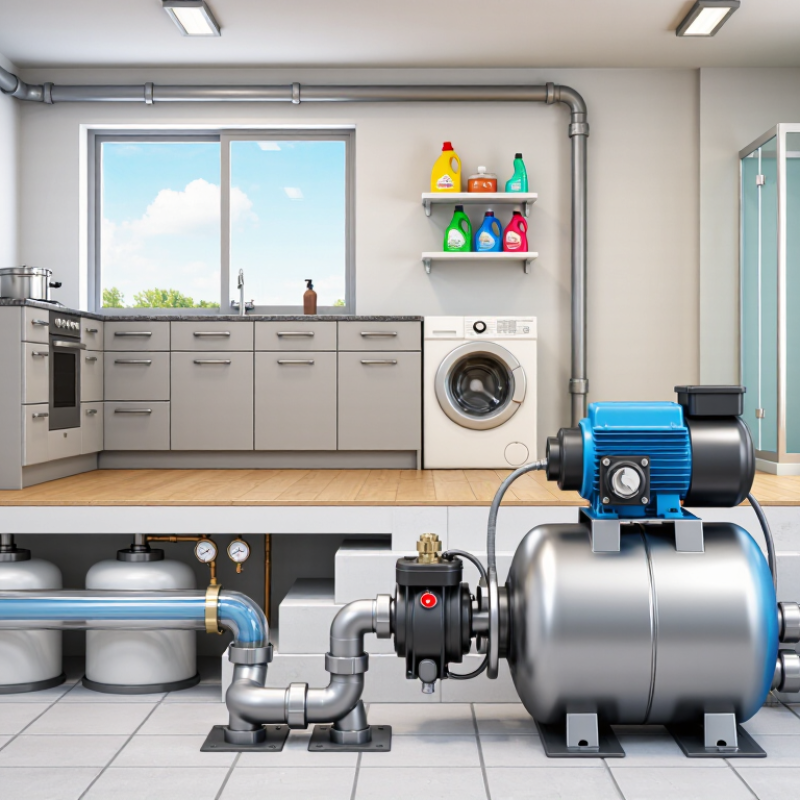
Understanding Home Water Pump Types and Their Main Uses
How to Choose the Best Water Pump for Home Use?
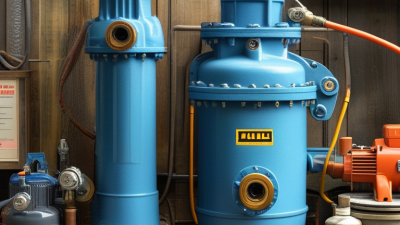
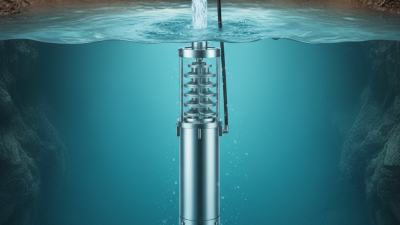
Choosing a home water pump starts with its purpose, not its advertised power. A booster pump increases pressure for showers, faucets, or upper-floor bathrooms. A transfer pump moves water between storage tanks, wells, and garden containers. A submersible pump works underwater and is useful for draining flooded basements or deep wells. Jet pumps usually serve shallow or moderate-depth wells. Each type solves a different problem.
In practical household checks, pipe size, water source, lift height, and daily demand matter greatly. A pump with excessive pressure may cause noise, leaks, or unnecessary energy use. A weak pump may leave the shower disappointing. Measure the vertical distance from the water surface to the highest outlet. Then check the flow rate required by several fixtures running together. I used to focus too much on motor power. That was a mistake. Efficiency, control settings, and dry-run protection can matter more. A licensed technician should inspect electrical connections and grounding.
Tips: Read the pump curve, not only the product label. Confirm the water temperature and fluid cleanliness. Leave room for maintenance around the unit. Install a filter when sand or grit enters the system. Listen for unusual vibration after startup. It can reveal poor alignment, trapped air, or a failing bearing. Also, record pressure readings before changing settings; otherwise, troubleshooting becomes guesswork.
Assessing Household Water Demand and Required Pump Capacity
Choosing a home water pump starts with measured demand, not the largest available motor. The U.S. Environmental Protection Agency reports that an average American family can use more than 300 gallons daily. However, daily volume does not determine pump size. Peak flow matters more. A morning may combine two showers, a flushing toilet, and a washing machine.
List every outlet and record its likely flow rate. WaterSense criteria limit showerheads to 2.0 gallons per minute and bathroom faucets to 1.5 gallons per minute. Add only fixtures that may operate together. For example, two showers at 2.0 gallons per minute, one faucet at 1.5, and a toilet refill can create demand near 6 gallons per minute. The Water Research Foundation’s Residential End Uses of Water, Version 2, shows that toilets, showers, faucets, and clothes washers dominate household indoor use. Their timing still varies widely.
Head pressure needs equal attention. Measure the vertical lift from the water source to the highest outlet, then include pipe friction and required outlet pressure. A pump delivering 6 gallons per minute at low pressure may perform poorly upstairs. My first estimate is often too optimistic. Long pipes and narrow fittings quietly reduce performance. Leave a modest reserve, but avoid excessive capacity. Oversizing can increase cycling, energy use, and water hammer. A simple pressure gauge, a timed bucket test, and a fixture checklist provide better evidence than guesswork. On-site testing remains essential.
How to Choose the Best Water Pump for Home Use?
Assessing household water demand and required pump capacity
The chart compares estimated peak household water demand with a practical pump flow target that includes approximately 25% reserve capacity. These estimates assume typical residential fixtures, such as showers using about 9.5 L/min and faucets using about 5.7 L/min. When selecting a pump, also verify the required pressure and total head for the building.
Checking Pressure, Flow Rate, Power Source, and Installation Needs
Choosing the best home water pump starts with pressure and flow, not motor size. Check the inlet pressure, pipe length, elevation, and simultaneous fixtures. A shower, washing machine, and garden tap may demand more water together than expected. Many domestic systems work near 40–60 psi, but local plumbing codes and appliance requirements should control the final setting. Higher pressure is not always better. It can increase noise, leaks, and pipe stress.
Flow rate should match real household demand. A pump rated at its maximum flow may perform poorly at the pressure your home needs. Read the performance curve, then compare it with your required litres per minute. The U.S. Department of Energy’s pumping-system guidance recommends matching pump duty to actual demand instead of selecting excessive capacity. That principle saves energy and reduces cycling. EPA WaterSense reports that household leaks can waste nearly 10,000 gallons of water annually. Poor installation can quietly create similar losses.
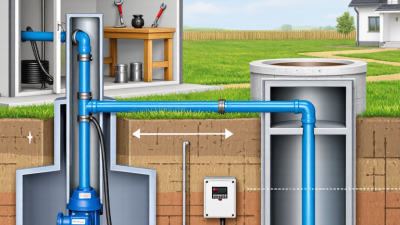
Power source matters when outages occur. A standard electric pump suits stable service, while a backup system may need a battery, generator, or manual alternative. Check voltage, cable protection, and outdoor weather ratings. Installation also requires a non-return valve, accessible isolation valves, correct pipe sizing, and protection against dry running. Leave space for maintenance.
I once underestimated vibration transfer through a rigid pipe; the pump worked, but the room became unpleasantly loud. Manufacturer data is useful, yet site measurements remain more reliable.
Selecting the Right Pump Based on Budget, Safety, and Reliability
Choosing the best water pump for home use starts with your actual water needs, not the highest advertised power. Measure the distance from the source to the outlet, including vertical lift. Check the required flow rate for showers, taps, or garden irrigation. A pump that is too small may struggle, while an oversized model can waste electricity and increase pipe stress.
Budget matters, but the cheapest purchase can become expensive after repeated repairs. I once focused too heavily on the initial price and underestimated maintenance access. That was a poor decision. Look for durable materials, clear installation instructions, replaceable components, and a realistic warranty. Reliability also depends on correct sizing. Ask a qualified installer to verify pressure, voltage, and pipe compatibility before connecting the unit.
Safety should remain non-negotiable. Choose protection against dry running, overheating, and sudden pressure changes. Keep electrical connections away from standing water, and use a properly grounded circuit. A quiet pump is useful near bedrooms, although noise ratings may not reflect every installation. Measure twice. Quiet matters.
Tips:
Compare total ownership costs, including electricity, filters, servicing, and possible plumbing changes. Test the water source during busy periods, when pressure may fall. Leave enough space around the pump for inspection and cleaning. Read the manual carefully, even if the installation looks simple. A small mistake in sizing can affect comfort for years.