Why Choose a Gate Valve for Your Piping System?
Gate Valves are essential components in various piping systems. They provide excellent flow control for liquids and gases. According to a recent industry report, the global gate valve market is projected to grow significantly. The rise in industrial applications drives this demand.
Gate valves are favored for their durability and reliability. They can hold high pressure and temperature, making them suitable for many industries. However, users need to consider the potential drawbacks. For instance, they require a considerable amount of space to operate fully. Maintenance can also be challenging if not performed regularly.
In specific applications, gate valves may not always be the best choice. For instance, in situations requiring frequent adjustments, other valve types might perform better. Users must weigh their options carefully. While gate valves excel in certain areas, understanding their limitations is key to optimizing their use in your piping system.
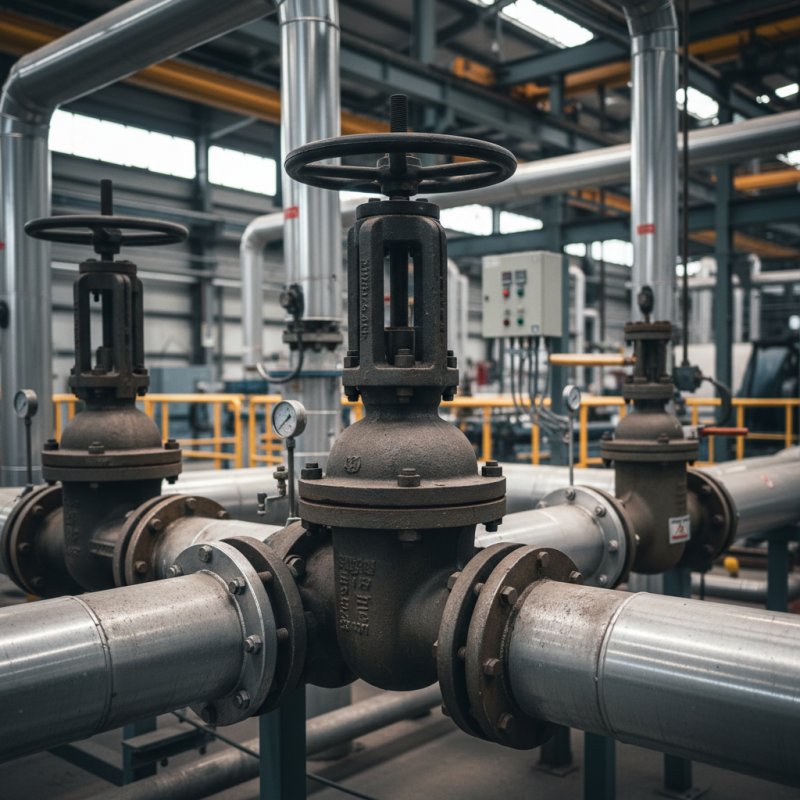
Understanding Gate Valves: Definition and Functionality
Gate valves serve a crucial role in piping systems. They are designed primarily for on-off control. When fully opened, they allow a smooth flow. When closed, they provide a tight seal, preventing any fluid leakage. According to industry reports, gate valves can perform efficiently in high-pressure environments, making them popular in various sectors, including oil and gas.
When considering gate valves, understanding their functionality is key. The wedge-shaped disc helps regulate flow effectively. The valve operates with minimal pressure drop. This feature is crucial in applications where maintaining pressure is vital. Research indicates that these valves can achieve up to 95% sealing efficiency. However, they are not ideal for throttling since doing so may cause wear and reduce their lifespan.
**Tips:**
Select gate valves based on your system’s pressure requirements.
Regularly inspect valves to ensure they function properly.
Remember, installing a valve in a tight space can be challenging.
Benefits of Gate Valves in Piping Systems
This bar chart illustrates the various benefits of using gate valves in piping systems, highlighting their cost-effectiveness, flow efficiency, and other significant advantages.
Key Advantages of Using Gate Valves in Piping Systems
Gate valves are a popular choice in piping systems for several key reasons. They provide excellent flow control. When fully opened, they allow for minimal resistance. This feature is crucial in large industrial applications where efficiency is vital. Their design helps to limit pressure drops in the system.
One major advantage of gate valves is their durability. Made from robust materials, they withstand high pressures and temperatures. This durability extends the lifespan of the valve. However, they are not ideal for throttling. Gate valves can become damaged if partially opened for extended periods. It's a factor worth considering. Another aspect to note is the maintenance required. Gate valves may need regular checks to ensure proper function.
In situations where space is limited, gate valves fit well due to their compact design. They require less installation space compared to other valve types. However, this can also lead to installation challenges in tight environments. Effective sealing is another strength, but it depends on the quality of the materials used. Achieving the right balance in your piping system involves careful consideration of these factors.
Comparing Gate Valves to Other Valve Types: A Practical Overview
Gate valves are commonly used in piping systems for various reasons. They provide reliable flow control and are ideal for on-off applications. When fully opened, they allow for minimal pressure drop. This makes them suitable for high-flow scenarios. However, they are not designed for throttling. Using them to control flow can lead to wear and tear.
Comparing gate valves to other types like ball or globe valves reveals some differences. Ball valves are great for quick shutoffs. They close tightly and are easier to operate. However, they might not handle high-pressure scenarios as well as gate valves. Globe valves, on the other hand, are excellent for throttling but can be more cumbersome. Their design increases the pressure drop when compared to gate valves.
It’s important to consider these nuances. Selecting the right valve depends on your specific needs. Sometimes, a gate valve may not always be the best choice. For instance, in applications needing frequent adjustments, a globe valve would serve better. However, in systems where flow is constant, gate valves shine. Balancing these factors requires careful thought and understanding of your system’s requirements.
Why Choose a Gate Valve for Your Piping System?
| Valve Type | Flow Control Efficiency | Pressure Rating | Cost | Maintenance Requirements |
| Gate Valve | Excellent | High (up to 600 psi) | Moderate | Low |
| Ball Valve | Good | Very High (up to 1500 psi) | Higher | Moderate |
| Globe Valve | Fair | Moderate (up to 300 psi) | Moderate | High |
| Check Valve | Good | High (up to 400 psi) | Lower | Low |
| Butterfly Valve | Good | Moderate (up to 250 psi) | Lower | Moderate |
Installation Considerations for Gate Valves in Your System
When installing gate valves in a piping system, several key considerations must be taken into account. Gate valves are ideal for on/off services. However, their application in throttling or flow regulation is limited. According to industry reports, improperly installed valves can lead to performance issues. This results in increased maintenance costs and system inefficiencies.
Proper alignment during installation is crucial. It helps prevent stress on the valve body. Misalignment can lead to leaks and failures. In fact, a study published by the American Society of Mechanical Engineers highlighted that a significant percentage of valve failures stem from installation errors. Ensure the valve is positioned correctly with the flow direction marked properly.
Tips: Always check the flange faces for cleanliness before installation. Debris can cause sealing problems. Utilize appropriate gasket materials and tighten bolts evenly to avoid uneven pressure distribution. Remember, routine maintenance is vital. Inspect regularly for leaks, as a small drip can signal bigger issues down the line.
Maintenance and Troubleshooting Tips for Gate Valves
Gate valves are crucial in many piping systems, especially in high-pressure environments. Regular maintenance can prevent major failures. The American Society of Civil Engineers states that improper valve maintenance leads to a 30% increase in operational costs. Routine checks are essential for long-term functionality.
During maintenance, inspect the valve for leaks and rust. A simple visual check can uncover significant issues. In fact, a study from the Institute of Pipeline Engineering reported that 45% of failures occur due to lack of proper upkeep. Timing the lubrication schedule is vital. Using the right grease prevents jamming. Ultimately, operators should be proactive.
Troubleshooting is another key aspect. If a valve does not close properly, examine the seat and packing. These parts can wear out over time. A quick replacement may be all that's needed. Moreover, it’s important to be aware of the system's pressure changes. Sudden shifts can cause unexpected leaks.