
Our Blog
Check out our innovative pump solutions and industry insights to see what's new in the pumping industry. Stay up to date with the latest trends and news in the world of pumping technology by following our pumping technology blog.
- Home
- Blog
How to Choose the Best Well Pumps for Your Needs?
Choosing the right well pumps is essential for homeowners. These pumps play a vital role in accessing groundwater effectively. Many factors influence the selection process, making it crucial to understand your needs.
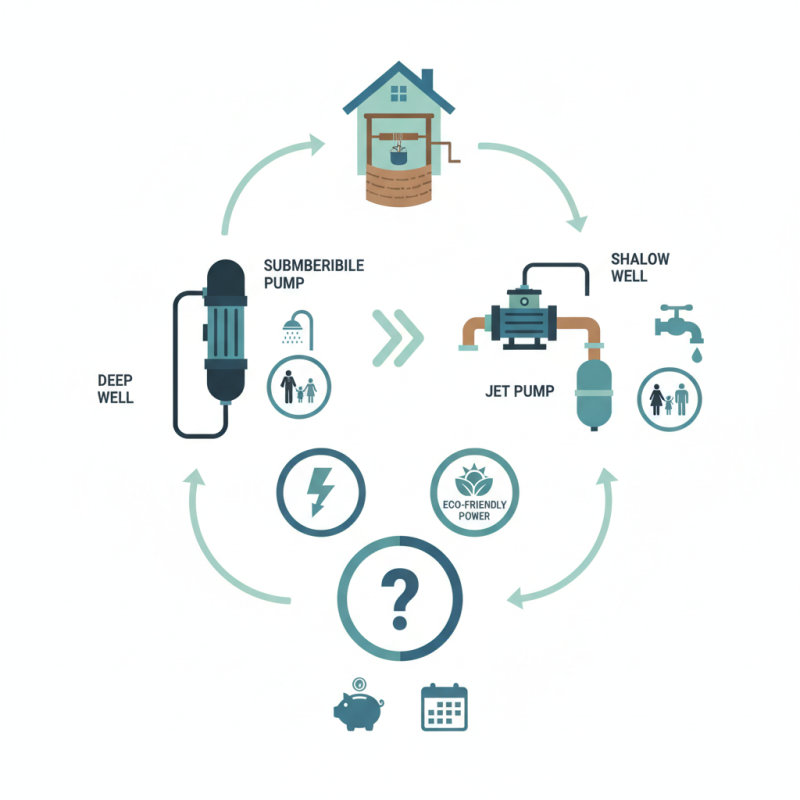
Well pumps come in various types, such as submersible and jet pumps. Each type has its own unique characteristics, advantages, and disadvantages. For instance, submersible pumps are excellent for deep wells, while jet pumps work better for shallow sources. This diversity can cause confusion.
Consider the depth of your well and your water needs. Is your household small or large? Moreover, the source of power might be a concern. Some prefer electric pumps, while others opt for more eco-friendly options. Reflect on your long-term requirements and budget, too. Remember, making an informed choice now can save you from future issues.
Understanding Different Types of Well Pumps Available in the Market
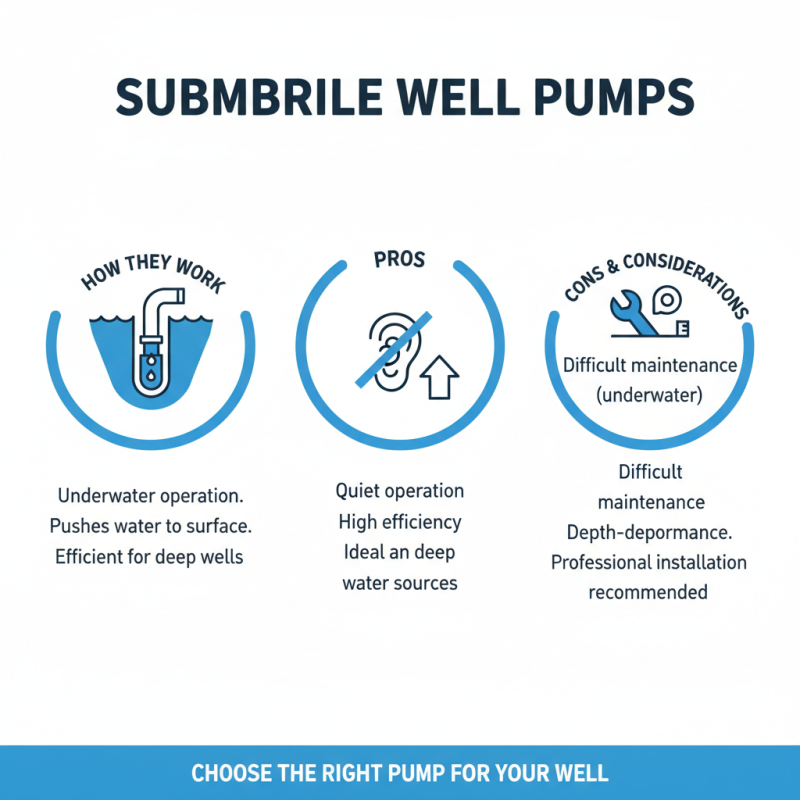
When choosing well pumps, it's essential to understand the different types available. Submersible well pumps work underwater, making them efficient for deeper wells. They push water to the surface and are often quieter than other types. However, they can be challenging to maintain due to their underwater location. Choosing the right depth is crucial for performance.
Jet pumps are another option. These pumps work by creating a vacuum that pulls water to the surface. They are suitable for shallow wells and can be installed above ground. While they are easier to access for maintenance, they may not be as efficient in deep wells. Think about your well's depth and the system's power needs when deciding.
Consideration of installation and maintenance costs is necessary. Sometimes, the cheapest option can lead to more expenses later. It’s wise to consult an expert, especially if you're new to well systems. There are nuances in each type that may not be obvious at first glance. Reflecting on your specific water needs will guide your decision better.
Key Factors to Consider When Selecting a Well Pump for Your Needs
Choosing the right well pump is crucial. It greatly influences water availability and quality. Consider the depth of your well. Surveys show that over 50% of wells exceed 100 feet. Pumps suitable for deep wells are different from those for shallow ones.
Next, think about flow rate. Residential systems often require a flow rate of 5 to 10 gallons per minute. If you have a larger home, you might need more. Remember that achieving the right pressure is important too. A pump that can't maintain pressure can lead to water waste.
Energy efficiency also matters. Look for pumps with a low energy consumption rate. Reports show that efficient pumps can cut energy costs by 20%. Don’t forget about the materials used. Corrosion-resistant materials can extend the pump’s lifespan significantly. Regular maintenance is essential to ensure optimal performance. Not everyone remembers this; maintenance can be a hassle that requires attention.
Well Pump Types Comparison
This chart compares the efficiency ratings of different well pump types based on their performance. Efficiency is an important factor to consider when selecting a well pump for your needs, ensuring you choose a pump that best meets your requirements.
Evaluating the Size and Depth of Your Well for Optimal Pump Performance
When selecting the best well pump, size and depth are critical factors. Knowing the depth of your well helps determine the pump type you need. A well that is too deep may require a submersible pump. These pumps can handle greater distances but are often more complex to install. It's important to measure your well accurately. Use a weighted cord to find the depth and note any changes in water levels.
Considering the well's diameter is also vital. Narrow wells may only accommodate certain types of pumps. The size of the pump must match the well's dimensions to ensure efficiency. Poorly matched pumps may lead to inadequate water supply or damaged systems. Reflect on how your well's conditions change with seasons. Are there times when the water level drops significantly? This could affect your pump's performance. Adjusting your choice based on these variables can be challenging but is necessary for optimal functioning.
Exploring Energy Efficiency and Performance Ratings in Well Pumps
When selecting a well pump, energy efficiency is paramount. It directly impacts your utility bills and environmental footprint. Pumps with high-performance ratings typically use less energy. This can lead to significant savings in the long run. Look for the Energy Star label or similar efficiency indicators. They often highlight models designed for optimal resource use.
Performance ratings are equally important. They indicate how well a pump can meet your specific water needs. Consider flow rate and pressure ratings. These numbers reflect how much water you can draw from your well. An efficient pump may still underperform if it cannot deliver sufficient water. Analyze your household's requirements before making a decision.
Reflecting on the pump’s installation and maintenance also matters. An energy-efficient model might require regular upkeep to maintain performance. Neglecting this can lead to increased energy consumption. It’s essential to strike a balance between energy efficiency and practical performance. Choose thoughtfully, and always consider your particular situation and needs.
Maintenance Tips to Extend the Life of Your Chosen Well Pump
Maintaining your well pump is crucial for its longevity. Regular checks can prevent costly repairs. Start by examining the pressure tank. Look for leaks or corrosion. Keep the area around the pump clean. Remove debris that could block airflow.
Next, consider the water quality. Contaminated water can cause pump damage. Test your water regularly. If impurities are found, treat them promptly. Ensure that filters are replaced on schedule. This simple step can extend the pump's lifespan significantly.
Don't forget about the power supply. Unstable electricity can damage your pump. Use a surge protector to avoid this issue. Also, listen for unusual noises. Sometimes, strange sounds indicate deeper problems. Address them before they escalate. Taking these steps can lead to a more reliable well pump.
How to Choose the Best Well Pumps for Your Needs? - Maintenance Tips to Extend the Life of Your Chosen Well Pump
| Pump Type | Best Uses | Flow Rate (GPM) | Power Source | Maintenance Tips |
|---|---|---|---|---|
| Submersible Pump | Deep wells, irrigation | 10-30 | Electric | Regularly inspect wiring, clean intake screens |
| Jet Pump | Shallow wells, household use | 5-15 | Electric or gas | Check for leaks, clean filter screens |
| Centrifugal Pump | Water supply, industrial use | 50-100 | Electric | Lubricate bearings, inspect seals |
| Windmill Pump | Remote locations, livestock | Variable | Wind | Inspect blades, check for rust |
Related Posts
-
Top 5 Benefits of Upgrading Your Well Pumps for Improved Water Quality and Efficiency
-
Unlocking Efficiency: The Ultimate Guide to Choosing the Right Motor Pump for Your Needs
-
Essential Guide to Choosing the Perfect Well Water Pump for Your Home Needs
-
Exploring the Efficiency of Submersible Water Pumps: A Comprehensive Guide for Homeowners
-
2025 Top 5 Well Pumps for Efficient Water Supply Solutions
-
How to Choose the Right 1hp Water Pump for Your Needs and Applications