2026 How to Choose the Best Submersible Well Pump for Your Needs?
Choosing the right submersible well pump can be challenging. With many options available, it is easy to feel overwhelmed. Understanding your specific needs is crucial for making the best decision.
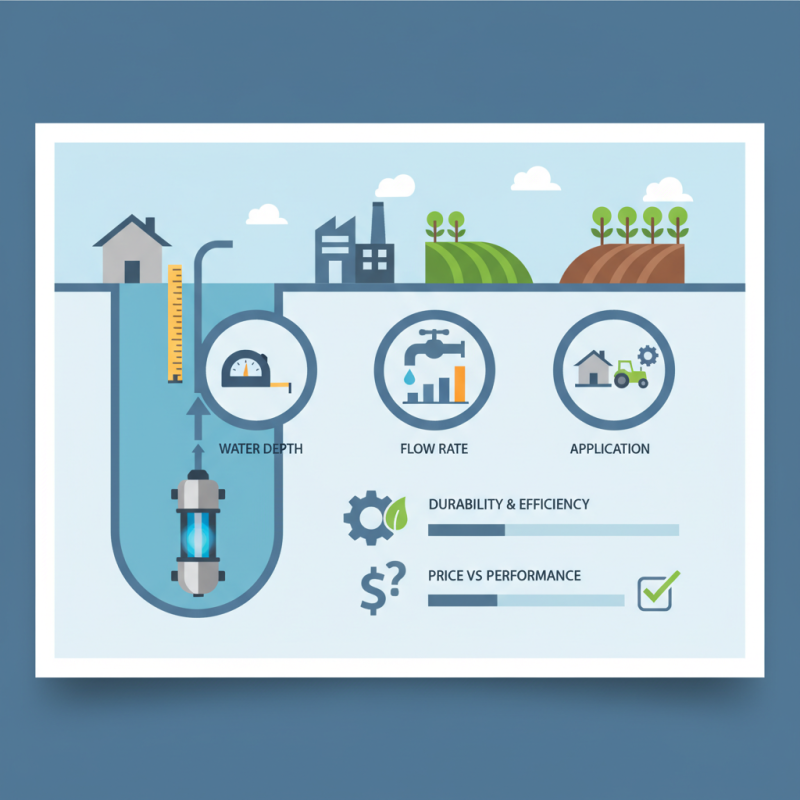
A submersible well pump can vary significantly in size and power. Factors like water depth, flow rate, and application are essential to consider. Some pumps excel in residential use, while others are designed for agricultural or industrial needs.
Pay attention to durability and efficiency. High-quality pumps typically have better longevity. However, keep in mind that higher-priced models don't always guarantee superior performance. It's worth reflecting on your unique requirements to ensure you select the most suitable submersible well pump for your situation.
Understanding Submersible Well Pumps: Types and Applications
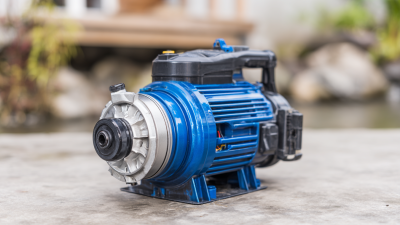
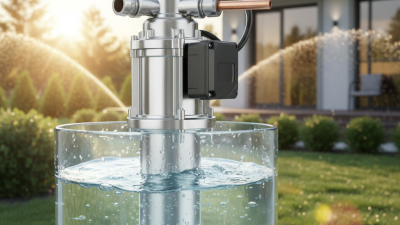
Submersible well pumps are vital for accessing groundwater. They come in various types, each suited for specific applications. The two most common types are vertical and horizontal pumps. Vertical pumps are compact and can handle deep wells. Horizontal pumps, on the other hand, are more efficient for shallower wells.
Choosing the right type depends on your unique needs. Evaluate the depth of your well and the required flow rate. A deeper well may require a more robust pump. Understanding the water quality is also crucial. Contaminated water might damage standard pumps faster.
**Tip:** Always check the pump's specifications before purchasing. Look for materials that resist corrosion.
When installing a submersible pump, consider the power source. Ensure your electrical setup meets the pump's energy requirements. If possible, consult with a professional. They can guide you on the best installation practices. Remember, improper installation can lead to performance issues.
**Tip:** Maintain your pump regularly. Routine checks can prevent major failures. Listen for unusual sounds and watch for vibrations, as they might indicate issues.
Key Factors to Consider When Choosing a Submersible Well Pump
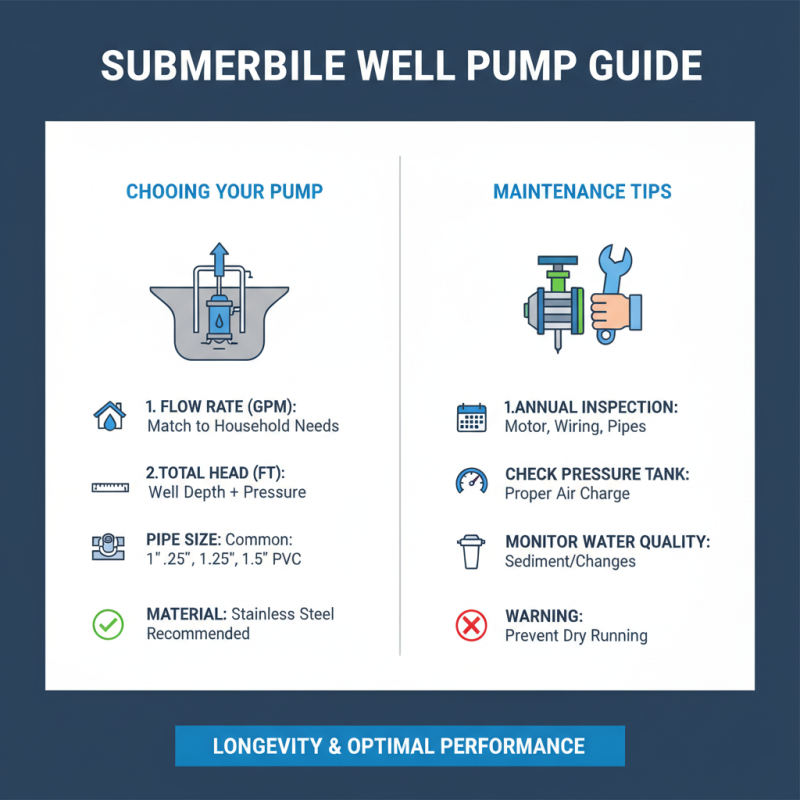
Choosing the right submersible well pump is crucial for your water needs. Start by evaluating your water depth. Know the total dynamic head (TDH) required to pump water from your well. This measurement includes static water level and additional pressure needed for your system. It helps avoid selecting a pump that is too weak or too strong.
Consider the flow rate. This number tells you how much water the pump can deliver. If your household needs vary, an adjustable pump might be wise. Look for energy efficiency as well. Some pumps may cost less upfront but can lead to higher energy bills over time.
Tip: Check the pump’s material. Corrosive environments demand durable materials to extend the pump's lifespan.
Keep an eye out for pump size as well. An oversized pump can cause short cycling, reducing its effectiveness. An undersized pump might not meet your needs.
Tip: Consult with a well-drilling expert. They can provide insights tailored to your specific situation, ensuring a better decision-making process.
Assessing Pump Specifications: Flow Rate, Depth, and Power Needs
When selecting a submersible well pump, assessing the specifications is crucial.
Flow rate is a key factor. Different applications require different rates.
A typical residential system might need around 5 to 15 gallons per minute (GPM). In contrast,
agricultural setups could demand over 30 GPM. It's essential to balance your water needs
with the pump's output capacity.
Depth is another important consideration. Many wells reach depths of
over 100 feet. If your water source is deeper, look for pumps that can handle higher head pressures.
The National Ground Water Association reports that pump efficiency drops significantly when installed
beyond its optimal depth. This inefficiency could lead to increased energy costs and potential
system failures.
Power requirements should not be overlooked. Most submersible pumps operate on either 230 or 460 volts.
Make sure to match the pump's power supply to your existing system. An improperly matched power source can
reduce the pump's lifespan. A study shows that 30% of pump failures stem
from electrical mismatches. Choosing the right specifications can significantly impact performance and longevity.
Material Durability and Corrosion Resistance in Well Pumps
When choosing a submersible well pump, material durability and corrosion resistance are crucial. Well pumps often operate in harsh environments. Water quality can vary, which impacts your pump's lifespan.
Many materials can be used in well pumps. Stainless steel is popular for its strength. However, different grades of stainless steel have different corrosion resistance. Some pumps use thermoplastics. They can be lighter but may not withstand extreme conditions.
Tips: Consider the pH level of your water. High acidity can corrode pumps. Also, check for any minerals present in the water. They could lead to scaling. Regular maintenance is essential. Replace any corroded parts promptly to avoid failures. Remember, not all pumps are created equal. Take the time to research.