
loading

Our Blog

Check out our innovative pump solutions and industry insights to see what's new in the pumping industry. Stay up to date with the latest trends and news in the world of pumping technology by following our pumping technology blog.

China Top 10 Mini Water Pump Manufacturers in 2026?

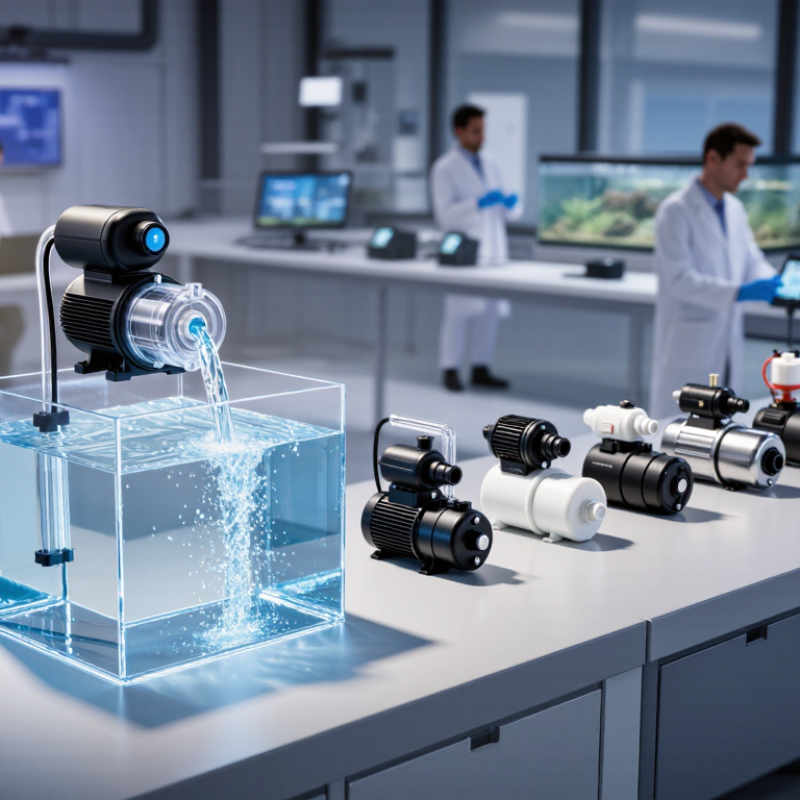
China’s mini water pump industry serves aquarium, household, medical, automotive, and industrial applications. The products may look similar on a sales page. Their performance can differ sharply under real operating conditions. A compact pump beside a clear test tank might deliver a steady stream, while another struggles with lift, noise, or heat. Small details matter.

This guide examines ten Chinese manufacturers for buyers comparing product range, customization, production experience, and technical support. It also considers measurable specifications, including flow rate, head, power consumption, materials, and operating voltage. These figures need context. A pump’s advertised maximum flow may not reflect performance at the required lift or tubing length. Ask for test conditions and application data.

A useful paraphrase of a principle reflected in pump engineer Igor J. Karassik’s work is: “Select for the duty point, not the product label.” This is a paraphrase, not a verbatim quotation. It captures a practical lesson for mini water pump sourcing: match the pump to the job before comparing price. No ranking can replace that check. Manufacturer capabilities and product specifications can change, so confirm current details directly before making a purchasing decision. The comparisons ahead aim to make that process clearer, while recognizing that public company information may be incomplete.
China Top 10 Mini Water Pump Manufacturers in 2026?

What Defines a Mini Water Pump and Where Is It Used?

A mini water pump is a compact device designed to move or circulate water where space, power, or flow requirements are limited. There is no universal size threshold, so “mini” usually describes its small footprint and intended low-volume use. Common designs include centrifugal pumps for steady circulation and diaphragm pumps for controlled transfer. Small does not mean weak.

These pumps appear in aquariums, tabletop fountains, beverage appliances, and small garden irrigation systems. In an aquarium, a pump may circulate water through a filter; in a fountain, it lifts water through narrow tubing to a spout. Some appliances use miniature pumps to move water between internal chambers. The right choice depends on the task, not just the pump’s dimensions.

Check the rated flow and maximum head, since flow usually falls as water is lifted higher. Also consider power supply, water temperature, noise, and whether the pump can handle particles. A common oversight is selecting by maximum flow alone. That figure may not reflect real performance with tubing, bends, or a filter attached. Check the data sheet. Confirm that materials suit the water and operating conditions, especially for continuous use.

What Defines a Mini Water Pump and Where Is It Used?

Common nominal supply voltages in compact water-pump applications. These are examples, not universal requirements; always check the pump’s specifications.

Mini water pumps are compact pumps used to move or circulate water in applications such as desktop fountains, portable transfer systems, hydroponics, and small utility tasks. Compact models may use low-voltage DC supplies, while some small utility pumps run on household AC power. Voltage alone does not indicate flow rate or pumping capacity.

How to Evaluate Mini Water Pump Manufacturers in China

China Top 10 Mini Water Pump Manufacturers in 2026?

When evaluating mini water pump manufacturers in China, look beyond price and catalog claims. Define your actual requirements: flow rate, lift height, liquid temperature, operating hours, and power supply. Ask for test results under conditions close to yours, not just a maximum-flow figure. That matters. A pump may move less water once connected to a hose or required to lift it.

Request samples and check them in your own setup. Note start-up behavior, vibration, noise, leakage, and temperature after extended operation. Ask which materials contact the liquid and how key dimensions are inspected. A clear answer is useful; a vague promise is not. Also review batch records, inspection procedures, and the process for handling defects. Documents help, but they do not replace a sample test.

Compare production capacity with your expected order size, and ask how the manufacturer manages changes to components or specifications. Confirm lead times in writing, including sample approval and packaging details. If possible, arrange a factory visit or independent inspection. No checklist catches everything. Even a polished report can miss a problem that appears only after weeks of use, so leave room for follow-up testing.

China’s Top 10 Mini Water Pump Manufacturers in 2026

China’s Top 10 Mini Water Pump Manufacturers in 2026 is best approached as a sourcing guide, not a fixed league table. Chinese suppliers serve applications ranging from aquarium circulation and drink dispensers to compact cooling systems. Their products may look similar online, yet flow rate, lift height, noise, and duty cycle can differ sharply. Check the rated voltage and current, then compare performance at the required head. Small details matter. A pump rated at 300 liters per hour with no lift may deliver much less flow in a narrow installation.

A dependable manufacturer should provide clear test data, material specifications, and realistic production lead times. Ask whether the pump uses a brushed or brushless motor, and request temperature and endurance results for your application. Confirm wetted materials, connector dimensions, and dry-run protection where needed. Samples help, but one sample cannot prove batch consistency.

That is easy to overlook. Request inspection records from several production runs and clarify how defects are handled before placing a larger order.

A strong shortlist balances engineering support, consistent quality, and communication—not only a low quoted price. Verify that certifications apply to the exact model and destination market.

How the Leading Manufacturers Compare in Products and Capabilities

A useful 2026 comparison of mini water pump manufacturers looks beyond catalog size. Grand View Research valued the global water pump market at approximately USD 63.2 billion in 2023, with projected growth of 4.2% annually through 2030. That broader market includes pumps far larger than miniature models, so the figure signals industry context, not mini-pump demand.

Small is not simple.

Compare product ranges by pump type, flow rate, maximum head, operating voltage, and intended duty cycle. A unit delivering 3 liters per minute at low lift may suit a compact appliance, yet fail in a taller installation. Check whether manufacturers publish performance curves, noise levels, and limits for continuous operation.

The details matter.

Manufacturing capability also shows in wetted materials, dimensional consistency, and repeatable end-of-line testing. The International Energy Agency has reported that electric motor systems use about 45% of global electricity; this figure covers many applications, not mini pumps alone. Efficiency claims deserve scrutiny. Request test conditions, because flow and power figures can shift with pressure, tubing, and fluid temperature. A polished specification sheet helps, but it cannot replace sample testing under the buyer’s actual operating conditions.

Some comparisons remain imperfect when suppliers use different test setups.

How to Select the Right Manufacturer for Your Needs

Choosing a mini water pump manufacturer starts with the job the pump must do. Write down the required flow rate, lift height, liquid temperature, and daily operating hours. A pump that performs well in a short bench test may struggle during continuous use. Details matter.

Ask manufacturers for test data at your intended operating point, not just a maximum flow figure. Check whether wetted parts suit your liquid, and confirm voltage, connector type, noise level, and mounting dimensions. Request a sample when possible. Measure its flow and power draw with your own setup. Keep the results.

Production consistency deserves equal attention. Ask how incoming parts and finished pumps are inspected, and whether test records can be shared. Clarify minimum order quantities, sample lead times, spare-part availability, and how faults are handled. A clear answer is reassuring. Vague promises are not. The awkward part is that lower prices can hide compromises in materials or inspection, but a higher price alone proves nothing. Compare written specifications, test evidence, and communication quality before making a decision.

China Top 10 Mini Water Pump Manufacturers in 2026? - How to Select the Right Manufacturer for Your Needs

Use this comparison framework to assess up to 10 suppliers. It lists selection criteria rather than naming or ranking companies; verify all specifications against the supplier’s current product documentation and test results.

No. Manufacturer Evaluation Dimension What to Request or Check Why It Matters
1 Application fit Confirm the intended liquid, temperature, duty cycle, installation position, and operating environment are within the proposed pump’s documented limits. A pump suitable for clean water may not be suitable for chemicals, abrasive fluids, or continuous operation.
2 Flow and head performance Request the pump curve and check the flow rate at the required total head, not just the advertised maximum flow or maximum head. Flow generally changes as system head changes; maximum flow and maximum head are not usually achieved at the same operating point.
3 Pump type and priming Identify whether the design is submersible or surface-mounted, and confirm priming requirements, suction lift limits, and dry-running restrictions. Installation and startup requirements differ by pump design and can affect reliability.
4 Wetted materials and sealing Obtain a bill of materials for wetted parts, seals, and housing; check compatibility with the liquid and operating temperature. Material compatibility helps reduce corrosion, swelling, leakage, and premature wear.
5 Electrical requirements Verify rated voltage, frequency where applicable, current or power draw, wiring, connector, and any required power supply or protection. Electrical specifications must match the installation and applicable local requirements.
6 Ingress and environmental protection Request the exact IP rating and the conditions under which it applies; confirm suitability for the planned exposure to water, dust, and outdoor conditions. An IP rating describes specified enclosure protection and should not be treated as a general guarantee for every installation condition.
7 Quality control and traceability Ask for the inspection plan, production test records, lot identification method, and documented procedures for handling nonconforming products. Documented controls make product consistency and issue investigation easier to assess.
8 Compliance documentation Request current certificates, test reports, and declarations relevant to the product and destination market; verify the model and issuing body. Requirements vary by destination and product category; a certificate for one model may not cover another.
9 Customization and order terms Confirm available options, tooling or sample charges, minimum order quantity, lead time, packaging, and change-control arrangements in writing. Clear terms help align product configuration, cost, and delivery expectations before production.
10 Warranty and after-sales support Review warranty duration and exclusions, spare-parts availability, response process, and the information required for a service claim. Support terms affect maintenance planning and the time needed to resolve product issues.