

loading

Our Blog

Check out our innovative pump solutions and industry insights to see what's new in the pumping industry. Stay up to date with the latest trends and news in the world of pumping technology by following our pumping technology blog.

China Best Non Woven Wet Wipes Supplier?

Choosing China’s best Non Woven Wet Wipes supplier takes more than comparing prices. Buyers need to assess material quality, production controls, customization, and delivery reliability. The market is substantial: Grand View Research estimated the global wet wipes market at USD 24.9 billion in 2022 and projected a 5.0% compound annual growth rate from 2023 to 2030. Such growth brings opportunity, but also more suppliers and more variation in product claims.

The details matter. Ask whether the wipe uses spunlace or another nonwoven fabric, and request its basis weight, fiber composition, and test specifications. Review sample consistency, packaging seals, batch records, and documented quality procedures. A soft wipe in a sample pack is useful; repeatable softness across production runs matters more. Shortlist manufacturers that explain their capabilities clearly and provide evidence for relevant certifications rather than relying on vague promises. This guide considers those practical checks, alongside product range, communication, and export experience, to help buyers evaluate potential partners in China. Still, supplier selection is not perfectly tidy. A polished audit report cannot show every production-floor detail, so thoughtful questions and independent verification remain important.
China Best Non Woven Wet Wipes Supplier?

What Are Non-Woven Wet Wipes and How Are They Made?

What Are Non-Woven Wet Wipes and How Are They Made?

Non-woven wet wipes are sheets made from fibers bonded into a fabric-like web, rather than woven on a loom. Common fibers include viscose, polyester, and polypropylene. The blend affects softness, strength, absorbency, and how the sheet behaves when wet. A wipe should feel gentle, but it must also hold together during use. That balance is not automatic.

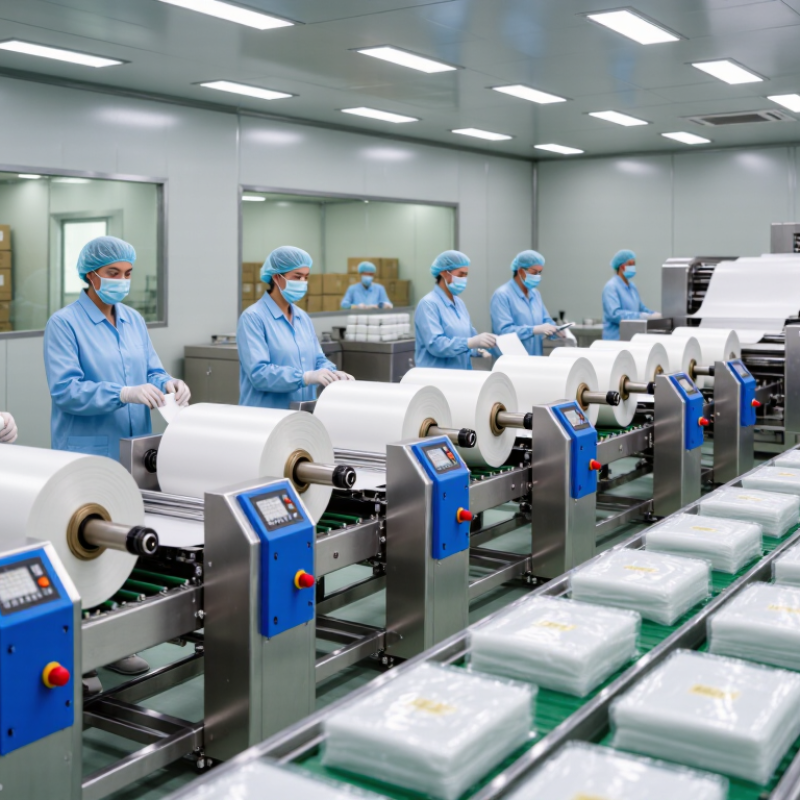
Manufacturing begins by forming a fiber web, often through spunlace processing, where fine, high-pressure water jets entangle the fibers. The web is then dried and cut into sheets. A measured lotion is added, and the wipes are folded and packed. Small changes matter: too much lotion can make a pack messy; too little can leave the sheet dry.

Smithers’ report, The Future of Global Nonwovens to 2028, projects the global nonwovens market will reach $68.8 billion by 2028, reflecting demand across many applications, including wipes. This is a broad market forecast, not a wipes-only figure.

Production details also vary by product, so one manufacturing method does not describe every wipe. Some assumptions about “stronger” fabrics deserve a second look; strength alone does not tell us how a wipe will perform.

Which Materials and Wipe Types Do Chinese Suppliers Offer?

Chinese non-woven wet-wipe suppliers commonly offer spunlace fabrics made from viscose, polyester, or blended fibers. Viscose feels soft and absorbs liquid well. Polyester adds strength, especially when a wipe must withstand scrubbing. Some suppliers also offer airlaid material, which can hold more lotion, or spunbond fabric for tougher, less absorbent applications. Ask for the fiber percentages, fabric weight, and sample rolls; “soft” can mean very different things across factories.

Wipe formats often include baby, facial, personal-care, household, and industrial cleaning wipes. Suppliers may produce folded or rolled wipes in different sizes, with options such as embossed textures, lotion loading, and sealed packaging. Smithers’ report, The Future of Global Nonwovens to 2027, valued the global nonwovens market at about US$68.5 billion in 2022. That figure covers many applications, not wipes alone, but it shows the scale of the material sector behind them. A detail buyers sometimes miss: a pleasant hand-feel does not prove the wipe will stay intact when wet.

Tips: Test samples with your actual lotion and use conditions. Check wet tensile strength, lint, absorbency, and material composition. If you need a plastic-free construction, request documented fiber details and verify them independently. A supplier’s description is useful, but it is not the test result.

China Best Non Woven Wet Wipes Supplier? Which Materials and Wipe Types Do Chinese Suppliers Offer?

Material or Construction Typical Composition Common Wipe Types Key Characteristics Typical Applications Buyer Checks
Spunlace nonwoven Entangled fibers bonded with high-pressure water jets; commonly made from viscose, polyester, or blends. Personal-care wipes, baby wipes, facial wipes, cleansing wipes, household wipes Soft hand feel, good absorbency, and a fabric-like texture. Performance depends on fiber blend, basis weight, and web structure. Skin cleansing and general-purpose wet wipes Confirm fiber percentages, basis weight in g/m², sheet dimensions, tensile strength, and whether the fabric is flushable-certified if relevant.
Viscose and polyester blend Regenerated cellulose viscose combined with synthetic polyester fibers in a nonwoven web. Baby wipes, makeup-removal wipes, personal-care wipes Viscose contributes absorbency and softness; polyester can add strength and durability. The balance changes the feel and performance. Everyday cleansing and cosmetic applications Request the exact blend ratio and test samples with the intended lotion, since liquid formulation can affect the wipe’s feel and strength.
100% viscose nonwoven Nonwoven made from regenerated cellulose fibers, often produced using spunlace bonding. Facial wipes, cosmetic pads and wipes, selected personal-care wipes Absorbent and soft; cellulose-based fibers can be suitable for products targeting reduced synthetic-fiber content. Facial cleansing and cosmetic use Ask for fiber-content documentation, wet and dry strength data, and any environmental or compostability claims with supporting evidence.
100% polyester nonwoven Nonwoven web made from polyester fibers, commonly bonded by spunlace or other processes. Cleaning wipes, surface wipes, durable utility wipes Generally durable and lint-resistant compared with many cellulose-rich constructions; absorbency depends on fabric design and finish. Household, commercial, and selected industrial cleaning Check abrasion and linting performance, liquid pickup, chemical compatibility, and suitability for the intended surface.
Airlaid nonwoven Cellulose fibers formed into a web using air; may include binders or other fibers, depending on the specification. Thicker household wipes, food-service wipes, utility wipes Can provide bulk and absorbency. Strength, softness, and linting vary with the web design and binder system. Spill cleanup and general-purpose wiping Verify composition, binder information, absorbency, linting, and wet-strength requirements for the intended use.
Needlepunch nonwoven Fibers mechanically entangled by barbed needles; commonly used for heavier, more durable fabrics. Heavy-duty cleaning or industrial wiping materials Often thicker and more robust than lightweight wipe substrates; may have a coarser texture and is not the standard choice for soft skin wipes. Industrial and heavy-duty surface cleaning Confirm whether the material is intended for wet-wipe converting and test softness, lint, absorbency, and sheet consistency.
Flushable-oriented substrate Often cellulose-based or otherwise designed to disperse under specified test conditions; construction varies by supplier. Toilet wipes and dispersible personal-care wipes Dispersibility depends on the complete wipe construction, including fibers, bonding, and any additives. “Flushable” should not be inferred from fiber content alone. Products intended for disposal via a toilet, where permitted Request applicable dispersibility test reports and clear disposal instructions; check requirements in each target market.
Biodegradable or compostable-positioned substrate May use cellulose-based fibers or other materials; biodegradability and compostability depend on the full product and test conditions. Selected personal-care and household wipes Environmental claims require evidence and are not guaranteed by a “natural” or cellulose-based fiber description alone. Products with verified end-of-life claims Ask which standard and test conditions support the claim, whether the claim covers the finished wipe, and whether certification applies to the target market.
Baby wipes Usually a soft nonwoven substrate, commonly spunlace, with a water-based lotion; formulation varies. Unscented, fragranced, and specialty baby-care wipes Designed for gentle cleansing; substrate softness, lotion, preservation, and packaging all influence product performance. Baby and toddler care Review ingredient lists, microbiological controls, preservative approach, packaging integrity, and applicable product regulations.
Disinfecting and surface wipes Nonwoven substrate paired with a formulated liquid; substrate choice depends on the active ingredients and intended surface. Household, institutional, and selected commercial surface wipes Compatibility and efficacy depend on the complete formulation and labeled contact time, not just the fabric. Hard-surface cleaning or disinfection, according to product labeling Check active-ingredient compatibility, efficacy data, required regulatory authorization, directions for use, and substrate stability.

How to Evaluate a Non-Woven Wet Wipes Supplier in China

China Best Non Woven Wet Wipes Supplier?

How to Evaluate a Non-Woven Wet Wipes Supplier in China

Choosing a non-woven wet wipes supplier takes more than comparing quoted prices. Ask for the fabric weight, fiber composition, sheet dimensions, and lotion details in writing. Then request samples from the production line, not only showroom samples. Feel the sheet when wet: does it stretch, shed fibers, or tear during a gentle pull? Small differences matter.

Check how the supplier controls production. Request an explanation of incoming-material checks, batch records, and finished-product inspection. If possible, review recent test reports and confirm that the tested product matches your sample specification. Ask how production changes are recorded. A clear answer is reassuring. A vague one is not.

Also look at communication and lead-time planning. Ask for a realistic production schedule, packaging proofs, and a process for handling defects. A factory visit or independent inspection can help you see storage conditions and packing practices firsthand. I would not judge a supplier by one polished sample alone. Samples can be unusually good. Compare several batches, and keep your own notes; even careful buyers sometimes miss a detail.

China Best Non-Woven Wet Wipes Supplier? How to Evaluate a Supplier

Compare suppliers against practical sourcing criteria before making a decision.

How to read this chart: The 1–5 ratings are illustrative example scores, not market research or ratings of specific suppliers. Assess each supplier using documented evidence, such as audit records, material traceability, test reports, and production data.

What Quality Standards and Certifications Should Buyers Check?

A reliable nonwoven wet wipes supplier should provide more than a certificate folder. Ask for a current ISO 9001 certificate and confirm that its scope covers the manufacturing site and relevant products. For wipes intended for medical use, ISO 13485 may also be relevant; it does not automatically prove that every finished wipe meets your requirements. Check whether the supplier follows documented hygiene controls and keeps production records.

Look for recent test reports tied to the exact wipe, lotion, and packaging you plan to buy. Useful checks include microbial quality, restricted chemical residues, material composition, absorbency, and package-seal integrity. Request batch traceability and ask how complaints or failed tests are handled. Details matter. A wipe that feels soft in a sample may shed fibers or dry out after storage. Ask for test methods, acceptance limits, and results—not just a pass statement. Requirements vary by destination and intended use, so verify applicable rules with a qualified compliance professional.

Certificates need context. Check the issuing body, validity dates, site address, and certification scope independently. Some documents may cover a factory but not the product being quoted. That distinction is easy to miss. Supplier answers should be specific and consistent, though occasional gaps deserve follow-up rather than instant rejection. A clear corrective-action record can reveal more about day-to-day quality than polished sales language.

How to Compare Pricing, Customization, and Delivery Options

When comparing nonwoven wet wipes suppliers, a low unit price is only one part of the quote. Ask what the price includes: wipe material, lotion, packaging, printing, and carton preparation. Compare quotes using the same sheet size, fabric weight, pack count, and order volume. Otherwise, a cheaper offer may simply describe a smaller or lighter product. Check sample specifications carefully.

Customization

Customization can affect both cost and production time. Confirm the available fabric options, wipe dimensions, fragrance choices, and packaging formats before requesting a final quote. Ask whether printed artwork requires a setup charge or a minimum order. A practical supplier should explain which details can be adjusted and provide a sample that matches the agreed specifications. Small differences matter.

Delivery & Planning

Delivery needs the same attention. Request a production schedule, estimated dispatch date, and clear information about shipping arrangements. For repeat orders, ask how the supplier manages material availability and whether lead times can change during busy periods. I have found that a written timeline prevents avoidable surprises, though estimates are not guarantees. Compare the full landed cost, not just the factory price. Keep room for questions; some details are easy to miss.