What is the Best Water Pump for Home Use and How to Choose One
When it comes to maintaining a comfortable and functional home, reliable water supply systems play a crucial role. Choosing the right water pump for home application ensures not only efficient water transfer but also enhances overall household management. From irrigating gardens to supplying water for domestic use, a quality water pump for home is essential for various tasks. However, with numerous options available on the market, selecting the best one can be daunting.
Understanding your specific needs and the functionalities of different types of water pumps is vital. Factors such as the water source, the required flow rate, and the pump's power source will influence your decision. Moreover, considerations like ease of installation, maintenance requirements, and the pump's durability come into play. By evaluating these aspects thoughtfully, homeowners can find a water pump that not only fits their immediate needs but also offers long-term reliability and efficiency. This guide aims to provide clarity on what makes a water pump ideal for home use and how to choose the best one tailored to your individual circumstances.

Types of Water Pumps Suitable for Home Use
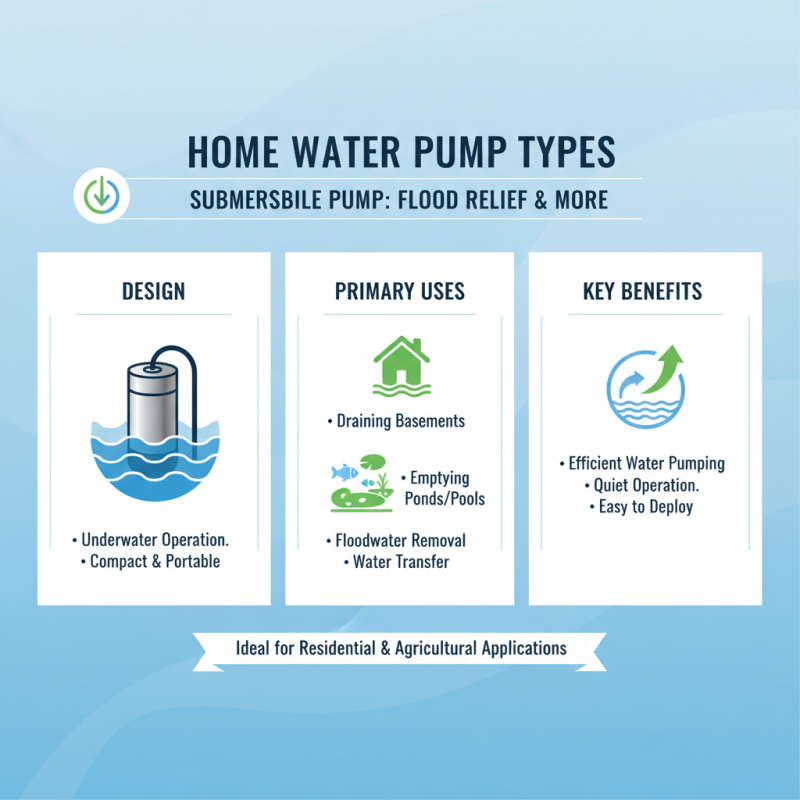
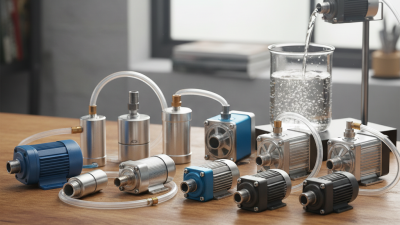
When selecting a water pump for home use, it's essential to understand the various types available to meet your specific needs. Submersible pumps, for instance, are designed to be submerged in water, making them ideal for applications like draining basements or ponds. They efficiently push water to the surface, making them helpful in both residential and agricultural settings. Their compact design and ability to operate underwater make them a popular choice for homeowners facing flooding issues.
Another common type is the centrifugal pump, which uses rotational energy to move water. These pumps are perfect for general water transfer, irrigation, or supplying water to household fixtures. They are easy to install and maintain, making them a practical option for everyday applications. For those requiring high-pressure water delivery, jet pumps are an excellent choice. These pumps draw water from deep wells and deliver it through pipes at a high pressure, ensuring consistent water supply even during peak usage times. Each type of pump serves unique purposes, so understanding these differences can help homeowners make informed decisions tailored to their water needs.
Key Factors to Consider When Choosing a Water Pump
When selecting the best water pump for home use, several key factors must be considered to ensure that you choose a model that meets your needs effectively. First, consider the type of pump required for your specific application. For instance, submersible pumps are ideal for deep wells or underground water sources, while surface pumps are more suitable for moving water from surface bodies. Understanding the source of water and the intended use—such as irrigation, household supply, or drainage—will help narrow down your options.
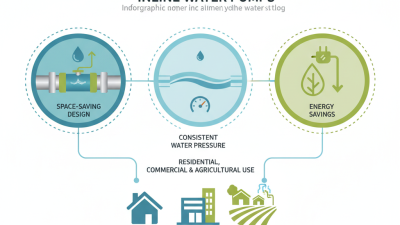
Another important factor is the pump's flow rate and pressure capabilities. This is crucial as it determines how quickly and efficiently water can be delivered. Ensure that the pump can meet your household's water demand, which can vary based on usage patterns and household size. Additionally, pay attention to the material and build quality of the pump, especially if it will be exposed to harsh conditions or if it will be submerged. A durable pump will not only have a longer lifespan but also require less maintenance over time. Compatibility with existing piping and easy installation should also influence your decision-making process.
What is the Best Water Pump for Home Use and How to Choose One
| Feature |
Submersible Pump |
Jet Pump |
Centrifugal Pump |
Solar Pump |
| Best For |
Deep wells |
Shallow wells |
General purpose |
Eco-friendly systems |
| Power Source |
Electric |
Electric |
Electric |
Solar energy |
| Depth of Water |
Up to 400 ft |
0 to 25 ft |
Variable |
Variable |
| Flow Rate |
Up to 33 GPM |
Up to 20 GPM |
Up to 200 GPM |
Up to 20 GPM |
| Price Range |
$150 - $500 |
$100 - $300 |
$200 - $600 |
$300 - $800 |
Comparing Performance: Flow Rate and Pressure Requirements
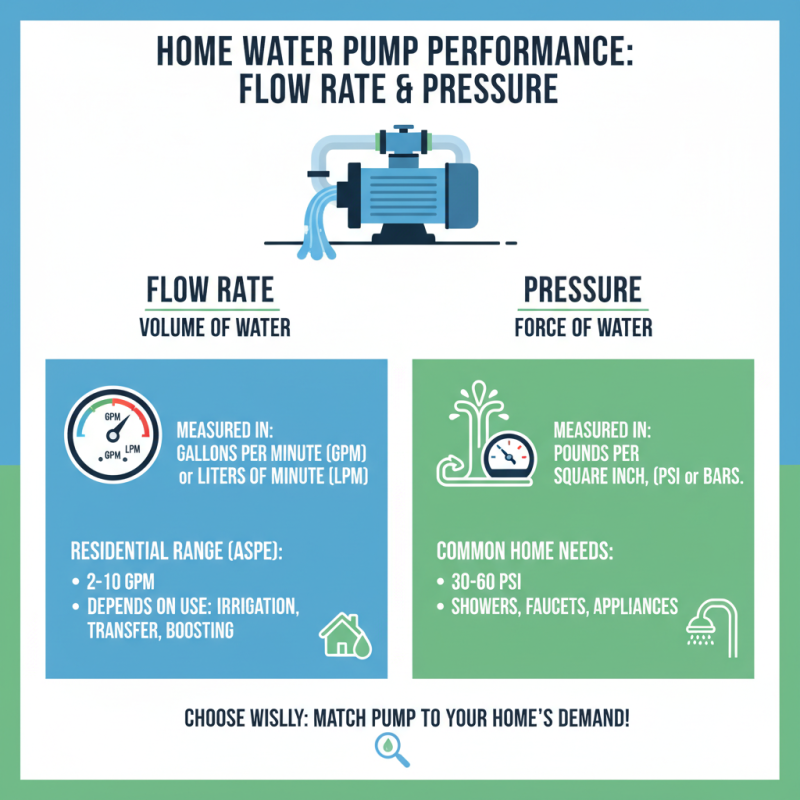
When choosing a water pump for home use, understanding performance metrics such as flow rate and pressure is crucial. Flow rate, typically measured in gallons per minute (GPM) or liters per minute (LPM), indicates the volume of water that can be moved within a given time frame. According to the American Society of Plumbing Engineers (ASPE), residential water pumps generally have flow rates ranging from 2 to 10 GPM, depending on their intended use, whether it's for irrigation, water transfer, or boosting domestic water supplies. It's essential to assess your household's water demand to select a pump that meets these needs efficiently.
Pressure requirements, measured in pounds per square inch (PSI), determine the pump's ability to move water against the resistance presented by plumbing systems or irrigation setups. A typical residential water pump might operate within the range of 30 to 60 PSI. For instance, the National Fire Protection Association (NFPA) recommends a minimum pressure of 40 PSI for adequate domestic water supply, particularly in multi-story homes. Understanding these specifications can help homeowners avoid issues related to insufficient water flow or pressure, ensuring that appliances like dishwashers and washing machines function optimally while maintaining adequate water pressure during peak usage times.
Energy Efficiency and Energy Source Options
When selecting the best water pump for home use, energy efficiency and the source of energy are crucial factors to consider. An energy-efficient pump can significantly reduce your utility bills while providing reliable performance. These pumps are designed to convert more input energy into usable work, minimizing waste. Look for models with high-efficiency ratings, which indicate their ability to operate effectively within the energy constraints, thereby offering long-term savings.
In addition to energy efficiency, the energy source for the pump is also essential. Homeowners typically have options between electric pumps, which are quiet and easy to install, and gas-powered pumps, which can be more suitable for larger applications or areas without consistent electricity access.
Solar-powered pumps have gained popularity as well, especially in remote locations where traditional electricity might not be available. Assessing your home's energy availability and considering the environmental impact of your energy source can guide you in making an informed decision that aligns with both your needs and sustainability goals.
Maintenance Tips for Longevity of Home Water Pumps
To ensure the longevity of your home water pump, regular maintenance is crucial. Start by checking the pump’s connections for any signs of leaks or corrosion. Proper installation is vital; make sure the pump is securely mounted and that there are no obstructions in the intake lines. Additionally, monitoring the water level in the reservoir can help prevent dry running, which can severely damage the pump. Regularly cleaning the filter and intake screens can also enhance performance and prevent debris from causing blockages.
Seasonal maintenance checks are essential as well. Before winter, ensure that your water pump is adequately insulated to prevent freezing, which can cause significant damage. Conversely, in warmer months, inspect the pump for buildup due to algae or sediment, which may require professional cleaning or servicing. Lastly, always refer to the manufacturer's guidelines for specific maintenance intervals and procedures to keep your water pump in optimal condition. Regular attention to these details will help extend the life of your water pump and ensure its efficiency.
Home Water Pumps Performance Comparison
This chart compares the flow rate (in gallons per minute) and energy efficiency (based on watts consumed) of different home water pumps. Choosing the right pump involves considering both performance and energy use to ensure long-term savings and effective water delivery.