Best Suction Hose Solutions for Global Buyers to Consider?
In today's industrial landscape, selecting the right Suction Hose is crucial for efficiency and safety. According to a recent market analysis by Grand View Research, the global suction hose market is projected to reach $1.3 billion by 2025, driven by rising demand in various sectors. Industry expert Dr. Jane Foster states, "The choice of suction hose can significantly impact operational productivity and safety."
Often overlooked, the material and design of a suction hose play key roles in its performance. For example, silicone hoses can withstand high temperatures, while PVC options are favored for their flexibility and cost-effectiveness. However, not all hoses are created equal. Buyers must consider factors like durability and resistance to chemicals and abrasions.
There is a pressing need for continuous evaluation in this sector. Many companies may choose cheaper options, risking long-term reliability. Poor choices in suction hoses lead to downtime and increased costs. A thoughtful selection ensures not only compliance with industry standards but also enhances overall operational integrity.
Best Suction Hose Materials: An Overview for Global Buyers
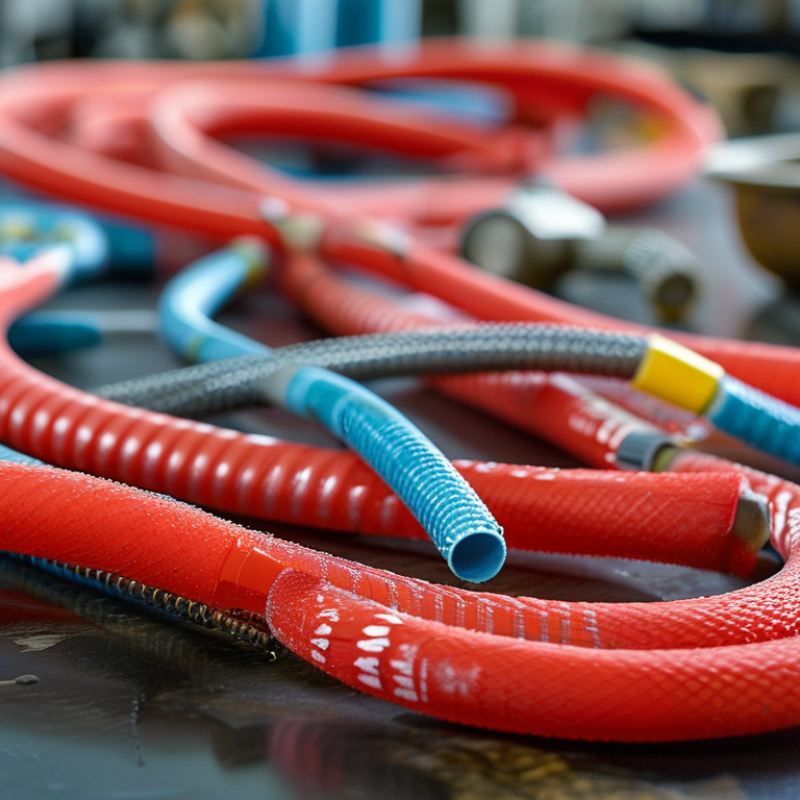
When choosing suction hoses, understanding materials is crucial for buyers. Various options exist, each with distinct advantages and drawbacks. Common materials include PVC, rubber, and polyurethane.
PVC hoses are lightweight and flexible, yet they may not perform well in extreme temperatures. Rubber hoses offer robustness and durability, making them ideal for industrial applications. However, they tend to be heavier and less flexible.
Polyurethane stands out for its resilience and versatility. It resists chemicals and abrasion well. It's an excellent choice for hydraulic applications. Not all materials are created equal, though. Some may lack transparency, making it difficult to monitor flow. Buyers need to consider their specific needs when selecting a material.
Different applications require tailored solutions. For example, food-grade hoses must meet strict health standards. Failing to comply can lead to regulatory issues. Additionally, users may experience issues with improper fitting. This can cause leaks and inefficiencies. Understanding these nuances helps buyers make informed choices and avoid costly mistakes.
Key Industry Standards for Suction Hoses: What You Need to Know
When considering suction hoses, understanding key industry standards is crucial. Suction hoses vary in material, diameter, and flexibility. According to industry reports, the global suction hose market is projected to grow at a CAGR of 4.1% through 2027. This growth is largely driven by rising demand in agriculture and industrial applications.
Quality standards are paramount. Look for hoses that meet SAE J2006 and ISO 1307 regulations. These standards ensure durability and performance under various conditions. It's important to examine factors like operating temperature and pressure ratings. A hose that can't handle the pressure may result in process failures.
Tip: Always verify the material compatibility with your application. For example, PVC hoses are often unsuitable for high-temperature tasks. Watching for potential weaknesses in hose design is crucial too. Many users overlook this aspect, only to face unexpected breakdowns later.
The choice between rigid and flexible hoses can also impact performance. Rigid hoses might provide better flow rates, but flexible ones offer superior maneuverability. Assess your specific needs to avoid making a choice that could hamper efficiency. Balancing flexibility with performance is an ongoing challenge in hose selection.
Best Suction Hose Solutions for Global Buyers
This chart illustrates the top five suction hose materials preferred by global buyers based on their performance in various key industry standards.
Top Global Suppliers for Quality Suction Hoses: A Comparative Analysis
When selecting suction hoses, buyers face a wide array of choices. Quality and durability are essential factors. Recent industry reports indicate that global demand for suction hoses is expected to grow by 6% annually through 2025. This rise reflects increased applications across sectors like agriculture, construction, and wastewater management. Understanding different suppliers is crucial in making informed decisions.
European suppliers dominate in terms of quality. They invest in advanced materials that enhance durability. For instance, thermoplastic elastomers are increasingly popular due to their flexibility and resistance. However, cost can be a barrier for some buyers. On the other hand, suppliers from emerging markets offer lower-priced options. These alternatives sometimes lack the rigor of testing and certifications.
Trust is vital when choosing a supplier. Many buyers express concerns regarding long-term performance and material integrity. A significant portion of the market shows hesitation in relying solely on pricing. It's essential for buyers to assess how suppliers handle quality control measures. Regular audits and transparent supply chains can build confidence in purchasing decisions.
Current Market Trends in Suction Hoses: Insights and Data
The suction hose market is evolving rapidly. Manufacturers are focusing on durability, flexibility, and efficiency. This shift reflects the increasing demand for high-performance hoses in various industries. Data shows a growing interest in materials that resist wear and tear. Buyers are keen on options that offer resilience against abrasives and chemicals.
Insights indicate a trend towards eco-friendly materials. Sustainability is becoming a priority for many buyers. Yet, some producers struggle to balance eco-friendliness with performance. This creates a gap in the market. Companies are exploring innovations that meet both needs, though it’s a challenging path. Data also highlights a shift to customized solutions, enabling businesses to meet specific application needs.
However, some buyers may overlook crucial specifications. Misunderstanding the requirements can lead to inefficiencies. It's essential that buyers assess their unique needs thoroughly. Market data suggests that understanding the right configuration can greatly enhance the effectiveness of suction hoses. Yet, many still choose options based on price alone, missing out on potential benefits.
Maintenance Best Practices for Suction Hoses: Ensuring Longevity and Performance
Maintaining suction hoses is essential for optimal performance. Regular inspections can identify issues before they escalate. Start by checking for signs of wear or damage. Cracks can lead to leaks, affecting the hose's efficiency. A visual examination is often enough to catch these problems.
Cleaning is another critical aspect. Debris can accumulate in hoses, restricting flow. Rinsing the hoses after each use prevents buildup. Additionally, using mild detergents helps in removing stubborn residues. After cleaning, ensure the hoses are fully dried to avoid mold development. Regular maintenance contributes to longevity.
Documentation is often overlooked. Keeping a log of maintenance activities can help track the performance over time. This allows buyers to spot patterns or recurring problems. Assessing past issues can provide insights into future needs. Each step taken in maintenance can make a significant difference in the lifespan of suction hoses. Remember, a little effort goes a long way in ensuring reliability.
Best Suction Hose Solutions for Global Buyers to Consider
| Material | Diameter (inches) | Length (feet) | Temperature Resistance (°F) | Special Features |
| PVC | 2 | 50 | -20 to 150 | Lightweight, flexible |
| Rubber | 3 | 100 | -40 to 200 | Durable, abrasion-resistant |
| Silicone | 1.5 | 30 | -60 to 450 | High flexibility, chemical resistance |
| Polyurethane | 2.5 | 75 | -30 to 180 | Oil resistant, lightweight |
| Composite | 4 | 60 | -10 to 200 | Reinforced for strength |