

What Is the Best Single Line Single Hose LNG Dispenser?
A Single-Line and Single-Hose LNG Dispenser is designed to deliver liquefied natural gas through one fueling line and one hose. Its compact layout can simplify station planning. Yet “best” depends on more than a tidy equipment footprint. The right choice must match vehicle requirements, site conditions, operating patterns, and the supplier’s documented performance data.
A useful evaluation starts at the nozzle. Check connection compatibility, hose handling, insulation, and the clarity of operating controls. Then examine flow performance, metering accuracy, emergency shutdown functions, and how the unit behaves during repeated fueling cycles. Ask for test records and service intervals, not just a polished specification sheet. Small details matter. A stiff hose on a cold morning can turn a quick fill into an awkward task.
I can’t verify a named expert’s quotation from the material provided, so I won’t invent one. That matters in a technical buying guide. A credible expert comment should be traceable to a real person and source. This article’s comparison should therefore focus on evidence: documented testing, installation references, maintenance support, and clear limits on performance claims. No dispenser is best for every site. Even a strong checklist can miss something; real operating feedback deserves a place beside the numbers.
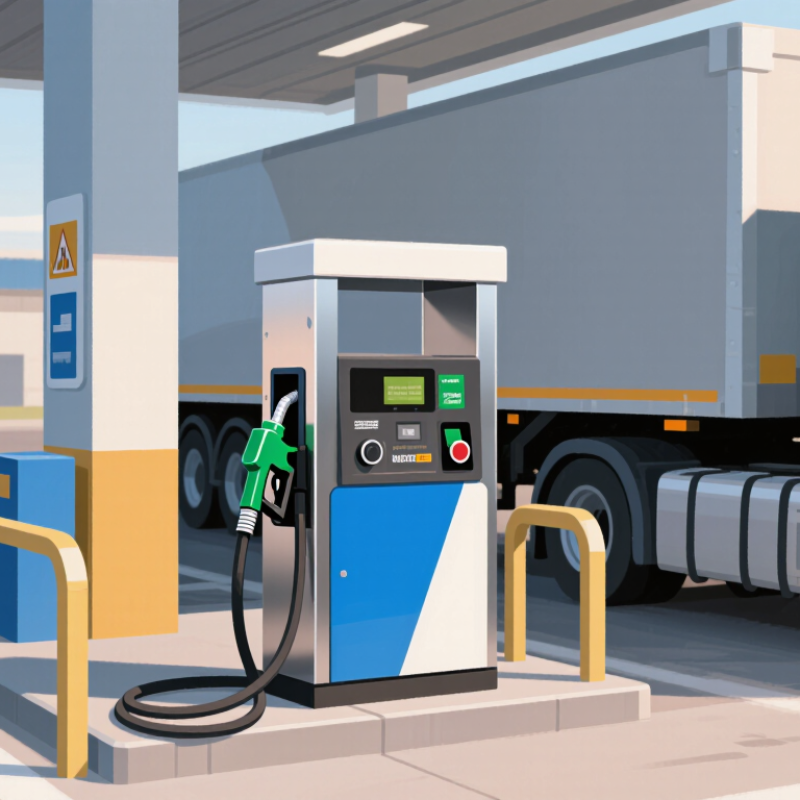
Defining a Single-Line, Single-Hose LNG Dispenser
A single-line, single-hose LNG dispenser uses one product supply route and one dispensing hose to transfer liquefied natural gas to a vehicle. The route typically runs from a storage tank through metering and control equipment to a cryogenic hose and nozzle. One connection. One fueling position. The equipment must keep LNG cold as it moves; a warm or damaged hose can disrupt operation and create serious hazards.
The wording sounds simple, but “single line” can mean different things in equipment descriptions. Check the actual flow diagram: some systems include additional lines for functions such as pressure management, even when only one hose delivers LNG. Look for clear details on hose insulation, nozzle compatibility, flow measurement, emergency shutoff, and how the dispenser handles pressure changes. A product description alone may not tell the whole story.
Tips: Ask the supplier for a piping diagram and operating instructions. Confirm that the hose and nozzle match the vehicle connection, and inspect seals and fittings before use. Keep the work area clear, follow site procedures, and have trained personnel perform fueling. Small details matter; they are easy to overlook.
| Evaluation Dimension | What “Single-Line, Single-Hose” Means | What to Look For | Why It Matters |
|---|---|---|---|
| Product flow path | One LNG product line delivers liquefied natural gas from the supply system to the vehicle through one dispensing hose. | Confirm that the flow schematic, operating sequence, and connection arrangement match the intended one-line, one-hose configuration. | Clear system boundaries help distinguish the LNG product path from any separate facility piping or auxiliary connections. |
| Fuel temperature and materials | LNG is cryogenic; its temperature is commonly near its atmospheric boiling point of about −162°C (−260°F), though actual conditions vary. | Verify that wetted components, seals, hose, fittings, and instrumentation are specified for the actual operating temperature and pressure range. | Materials and components must be suitable for cryogenic service to maintain safe, reliable containment. |
| Operating pressure | There is no single universal dispensing pressure for every LNG vehicle or station. | Check the dispenser’s rated pressure against the station design, vehicle requirements, and applicable codes; do not rely on a generic pressure figure. | Pressure compatibility affects safe connection, dispensing performance, and equipment selection. |
| Metering and transaction data | The dispenser measures the LNG delivered through its product line. | Review the metering method, stated measurement accuracy, calibration provisions, display units, and suitability for the intended commercial or fleet use. | Accurate, verifiable measurement supports dependable fuel accounting and transaction records. |
| Hose and vehicle connection | A single dispensing hose connects the dispenser to the vehicle’s LNG filling point. | Check connector compatibility, hose working limits, handling ergonomics, inspection requirements, and provisions for preventing unintended vehicle movement while connected. | A suitable connection and manageable hose reduce operating difficulty and help prevent connection-related hazards. |
| Emergency shutdown | The dispenser is integrated with the station’s emergency shutdown (ESD) arrangements. | Confirm how an emergency stop isolates or stops flow, where shutdown controls are located, and how the dispenser interfaces with the wider station system. | Shutdown functions need to work as part of the complete LNG installation, not just as an isolated dispenser feature. |
| Leak and release controls | The one-hose arrangement does not remove the need to manage potential LNG or vapor releases. | Assess connection integrity, appropriate isolation, inspection access, and the station’s procedures for detecting and responding to abnormal conditions. | Good release-control practices support safe operation and maintenance. |
| Standards and site compliance | Requirements depend on the installation location, application, and authority having jurisdiction. | Request the applicable design documentation, certifications, and evidence of conformity to relevant local regulations and recognized standards. | Compliance cannot be established from the dispenser configuration alone; the complete installation must be assessed. |
| Maintenance and support | A simpler flow arrangement still requires routine inspection and maintenance. | Compare service access, spare-parts availability, maintenance instructions, inspection intervals, and operator training requirements. | Maintainability affects operational availability and the ability to keep safety-critical components in serviceable condition. |
| Choosing the “best” option | “Best” depends on the vehicle interface, station design, throughput needs, operating environment, and local requirements. | Use a documented evaluation covering compatibility, safety functions, measurement needs, compliance, maintainability, and total operating requirements. | A feature-by-feature assessment is more reliable than choosing by configuration name alone. |
This table is a general selection guide, not a specification for a particular dispenser. Confirm operating limits and compliance requirements with qualified LNG system designers and the applicable local authority.