
loading

Our Blog

Check out our innovative pump solutions and industry insights to see what's new in the pumping industry. Stay up to date with the latest trends and news in the world of pumping technology by following our pumping technology blog.

What Is the Best Deep Well Submersible Pump from China?

Choosing the best deep well submersible pump from China requires more than comparing prices or reading product photos. A reliable choice must match the well’s depth, casing diameter, water yield, voltage, and required flow rate. A pump lifting water 120 meters needs different performance from one serving a 30-meter household well. Small details matter. Motor cooling, cable quality, impeller design, and corrosion resistance can determine service life underground.

This guide examines Chinese manufacturers through practical engineering criteria. We consider pump materials, rated head, flow stability, energy efficiency, insulation class, and protection against dry running. Factory testing also deserves close attention. Ask for performance curves, pressure-test records, motor data, and quality certificates. A supplier with clear documentation is easier to evaluate and trust. After-sales support matters too, especially when replacement seals or controllers are needed far from the factory.

There is no universal best pump. That conclusion may sound obvious, but buyers often overlook it. A powerful model can waste energy when the well produces limited water. A cheaper unit may also become expensive after repeated repairs. We will compare suitable options for farms, homes, irrigation systems, and commercial water supply. Field experience suggests that correct sizing usually matters more than impressive marketing claims. Still, specifications can be misunderstood, and supplier information is not always complete. Careful verification remains essential before placing an order.
What Is the Best Deep Well Submersible Pump from China?

What Defines the Best Deep Well Submersible Pump from China?

What Is the Best Deep Well Submersible Pump from China?

What defines the best deep well submersible pump from China is not its label or appearance. It is performance matched to the well. A pump must deliver the required flow at the actual lifting height. A household well may need 2,000 liters per hour, while irrigation demands much more. Choosing by horsepower alone often creates expensive mistakes.

Reliable construction matters underground. Look for corrosion-resistant stainless steel, sealed cable connections, and a motor with effective thermal protection. Insulation should suit continuous underwater operation. The pump should also tolerate sand without rapid wear.

In field inspections, technicians often check vibration, current draw, and discharge pressure after several hours. Small changes can reveal damaged bearings or poor hydraulic balance. Quiet running helps, but it is not enough.

Quality control separates capable Chinese manufacturers from careless suppliers. Ask for factory test records, material details, efficiency data, and traceable serial numbers. Independent testing adds confidence. Clear warranty terms and available replacement parts matter when the pump is hundreds of meters below ground. Installation guidance should explain cable sizing, check valves, cooling flow, and dry-run protection.

No pump is perfect. Well depth, water chemistry, voltage instability, and installation errors can still shorten service life. A careful buyer should question impressive claims and compare measured results instead. That step is sometimes overlooked.

Key Specifications for Evaluating Deep Well Submersible Pumps

What Is the Best Deep Well Submersible Pump from China?

Key Specifications for Evaluating Deep Well Submersible Pumps

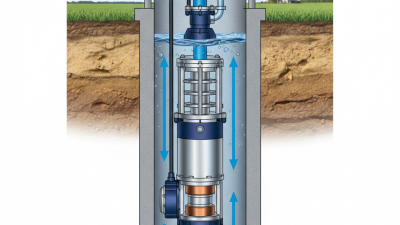
Choosing a deep well submersible pump starts with the well, not the catalog. Measure the static water level, total depth, and required daily flow. A pump rated for 60 meters may struggle when the pipe, elbows, and filters create extra resistance. Calculate total dynamic head carefully. This is where many selections go wrong.

Check flow rate, head, motor power, and hydraulic efficiency together. A higher horsepower rating does not always mean better performance. For household use, stable pressure may matter more than maximum output. Select a pump diameter that leaves clearance inside the casing. A narrow gap helps installation and cooling. Stainless steel or corrosion-resistant materials are valuable in mineral-rich water. The motor should include thermal protection, reliable insulation, and an appropriate IP rating, commonly IP68 for submerged operation.

Sand tolerance deserves close attention. Even small particles can wear impellers and seals over time. Ask for tested limits, not vague claims. Review cable length, voltage stability, starting current, and control-box protection. Independent test reports and traceable quality records improve confidence. Pumps should also meet relevant electrical and safety requirements in the destination market.

Practical judgment still matters. A technically excellent pump can fail if the well is poorly developed or the cable is undersized. I would compare performance curves at the actual operating point, not at the biggest advertised number. Some specifications may look incomplete. That is a reason to request clarification before purchase.

What Is the Best Deep Well Submersible Pump from China?

Key specifications for evaluating deep well submersible pumps are illustrated below using a reference flow rate of 10 m³/h and an assumed overall wire-to-water efficiency of 65%. Actual selection should also consider drawdown, pipe friction, voltage, water quality, and starting conditions.

How to read the chart: As the required total dynamic head increases, the calculated electrical power requirement rises. The suggested motor ratings include a practical capacity margin and should be verified against the pump's certified performance curve.

Leading Chinese Pump Types, Materials, and Manufacturing Standards

What Is the Best Deep Well Submersible Pump from China?

The best deep well submersible pump depends on well depth, water demand, bore diameter, and sand content. Chinese manufacturers commonly produce multistage centrifugal pumps for stable household and agricultural water supply. Slim borehole models fit narrow wells. High-flow units suit irrigation and industrial systems. A practical selection begins with measured data, not catalogue claims.

Material choice affects service life. Stainless steel 304 resists ordinary groundwater corrosion, while 316 performs better in chloride-rich conditions. Cast iron offers strength and lower cost, but it needs suitable coating and water chemistry. Ceramic seals, carbon components, and NBR or EPDM elastomers must match temperature and fluid conditions. Copper motor windings support efficient operation. Small details matter.

Reliable factories should control casting, machining, winding, assembly, and pressure testing. Look for documented quality systems such as ISO 9001, hydraulic testing aligned with ISO 9906, and motor practices following relevant IEC 60034 requirements. Chinese GB/T standards may also apply, but buyers should verify the current edition and destination-market rules. Ask for performance curves, insulation tests, material records, and test reports.

A polished housing proves little. I would still inspect sand tolerance, cable sealing, and overload protection carefully. Some specifications look impressive, yet field performance can change with voltage, installation errors, or rising sediment levels. That uncertainty deserves honest testing.

How to Match Pump Performance with Well and Water Requirements

What Is the Best Deep Well Submersible Pump from China?

How to Match Pump Performance with Well and Water Requirements

Choosing the best deep well submersible pump from China starts with the well, not the catalogue. Measure the static and dynamic water levels before selecting a model. Dynamic level matters more. It shows how far the pump must lift water during operation. Add pipe friction, bends, filters, and the required outlet pressure to calculate total head.

Match the pump’s flow rate with the well’s safe yield. A pump rated at 10 cubic meters per hour may drain a weak well or cause sand movement. Check the well diameter, casing length, water temperature, and available voltage. The pump must fit comfortably inside the casing. Tight clearance can reduce motor cooling and complicate maintenance. Small details matter.

Water quality also changes the decision. Test for sand, acidity, hardness, and corrosive elements. Select suitable materials and a motor designed for continuous underwater cooling. Ask the supplier for performance curves, insulation data, factory test records, and protection requirements. These documents reveal more than a sales photograph.

I have seen installations fail because installers trusted maximum flow figures. Those figures rarely match real pipe conditions. My early estimates made the same mistake. Recheck the working point at the expected water level. Use a control panel with dry-run, overload, and phase-loss protection where applicable. Keep cable sizing, grounding, and voltage drop within local electrical requirements. The cheapest pump can become expensive when it runs hot, delivers weak pressure, or needs frequent removal.

Quality Checks, Supplier Selection, Pricing, and After-Sales Support

What Is the Best Deep Well Submersible Pump from China?

Choosing the best deep well submersible pump requires more than comparing online prices. Start with water depth, well diameter, required flow, voltage, and daily running hours. A pump should match the well’s actual yield, not an optimistic sales estimate. I have seen oversized pumps create unstable water levels and unnecessary electricity costs.

Quality checks should include stainless-steel material, motor insulation, cable sealing, impeller balance, and overload protection. Ask for test records, flow-head curves, insulation reports, and a clear warranty. Supplier selection also matters. Reliable manufacturers explain tolerances, provide installation guidance, and answer technical questions without vague promises. Request a sample inspection or video test when practical. Small details expose weak control.

Tips: Compare landed cost, not only the quoted unit price. Include shipping, spare parts, installation tools, taxes, and possible repairs. Confirm whether after-sales support includes troubleshooting, replacement components, and response times. A supplier should identify the service contact before payment. Keep written specifications and serial records. Do not assume every “stainless steel” part has the same grade. That assumption can become expensive. Pricing that looks unusually low may reflect thinner cables, weaker seals, or limited testing. I would also ask about local water conditions, because sand, acidity, and frequent voltage changes can shorten pump life. Perfect certainty is unrealistic, but careful questions reduce avoidable mistakes.

What Is the Best Deep Well Submersible Pump from China? - Quality Checks, Supplier Selection, Pricing, and After-Sales Support
Evaluation Category Key Data Dimension Recommended Practical Benchmark What to Verify Before Purchase Commercial and Operational Impact
Application Matching Well diameter Pump outer diameter should normally be at least 5–10 mm smaller than the clear well diameter. Request the pump outline drawing and compare it with the measured internal well diameter, cable space, and pipe size. Correct sizing prevents installation problems, overheating, vibration, and difficult removal.
Hydraulic Performance Flow rate and total dynamic head Select a duty point within approximately 70%–110% of the pump’s best-efficiency-point flow whenever possible. Check the complete pump curve, including head, flow, efficiency, power consumption, and recommended operating range. Operating close to the efficient zone reduces energy use and improves service life.
Water Quality Liquid temperature and solids content Many standard well pumps are designed for clean or lightly contaminated water, commonly up to about 35°C; actual limits depend on the design. Confirm maximum temperature, permissible sand concentration, pH range, and whether the pump is suitable for potable water. Excessive sand, heat, or chemical exposure can accelerate wear and invalidate warranty coverage.
Motor Selection Rated power, voltage, frequency, and starting method The motor rating should cover the required duty point without regularly operating at overload; voltage and frequency must match the site supply. Review the nameplate, current range, insulation class, protection class, starting current, and compatibility with soft starters or variable-frequency drives. Correct electrical matching helps avoid nuisance trips, voltage-related damage, and excessive starting costs.
Construction Quality Wetted materials Common configurations use stainless steel or coated metal for major wetted components; material selection should reflect water chemistry. Ask for a material list covering the pump casing, impellers, shaft, fasteners, wear components, seals, and cable guard. Suitable materials improve corrosion resistance and reduce maintenance in aggressive water conditions.
Mechanical Protection Seals, bearings, and thrust capacity The design should include a suitable mechanical seal, water-lubricated or approved bearing system, and adequate axial-thrust capacity. Request sectional drawings, seal specifications, bearing details, and the permitted installation orientation. Weak sealing or insufficient thrust capacity can lead to leakage, shaft wear, and premature motor failure.
Quality Control Routine production tests Each finished pump should receive electrical safety, insulation-resistance, leak, rotation, current, and hydraulic performance checks. Request a sample factory test report linked to the exact model, serial number, test date, and measured values. Documented testing lowers the risk of receiving units that do not meet the stated performance.
Certification Applicable compliance documentation Documentation should match the destination market and the actual pump configuration, not only a general product certificate. Verify certificates, declarations, test reports, cable approvals, energy data, and product labels with the relevant certification body where required. Accurate compliance records support customs clearance, project approval, and safe installation.
Supplier Capability Manufacturing and customization capacity A reliable supplier should provide stable model documentation, traceable production records, spare parts, and controlled customization. Evaluate production equipment, quality procedures, inspection staff, sample consistency, export experience, and engineering response time. Strong manufacturing control improves repeatability for project orders and replacement units.
Pre-Shipment Inspection Inspection scope and acceptance criteria Use written acceptance criteria covering dimensions, nameplate data, accessories, packaging, appearance, electrical readings, and hydraulic results. Arrange internal inspection or an independent third-party inspection before shipment for larger or critical orders. Early detection is less expensive than returning heavy equipment after delivery.
Indicative Pricing Complete pump-set price Typical China-origin price ranges may be approximately US$180–US$900 for smaller standard units and US$900–US$3,500 or more for higher-power or customized units, excluding freight and taxes. Compare identical duty points, motor power, materials, cable length, control panel, testing, packaging, spare parts, and delivery terms. The lowest quotation may exclude essential accessories, testing, premium materials, or after-sales provisions.
Total Cost of Ownership Energy consumption and maintenance Compare efficiency at the actual duty point and calculate annual energy cost using local operating hours and electricity rates. Request efficiency data, expected wear-part intervals, replacement-part prices, and recommended maintenance procedures. A slightly higher purchase price can be justified by lower energy consumption and longer operating life.
Warranty Warranty period and coverage A common commercial warranty is 12–24 months from shipment or commissioning, subject to the written agreement. Confirm the start date, covered parts, exclusions, evidence requirements, labor responsibility, freight responsibility, and remedy process. Clear terms reduce disputes when failures involve installation, water quality, voltage, or operating conditions.
After-Sales Support Technical response and replacement parts The supplier should provide installation instructions, wiring diagrams, troubleshooting support, and commonly needed spare parts. Check response channels, normal response time, spare-part availability, repair guidance, remote commissioning, and escalation procedures. Accessible technical support reduces downtime and helps local technicians complete repairs safely.
Logistics Packaging and shipping protection The pump should be protected against impact, moisture, shaft movement, cable damage, and corrosion during transport and storage. Confirm export-grade packaging, lifting points, shock protection, moisture barriers, packing lists, and shipping marks. Proper packaging reduces arrival damage and simplifies receiving and inventory control.
Final Selection Overall supplier score Performance: 30% Quality: 25% Price: 20% Support: 15% Delivery: 10% Score at least three comparable quotations using the same technical specification and written acceptance criteria. A weighted evaluation provides a more balanced decision than comparing purchase price alone.
Note: Price ranges and technical benchmarks are indicative industry ranges only. Final selection should be based on the actual well conditions, duty point, water chemistry, electrical supply, destination-market requirements, and written supplier documentation.