What Are the Benefits of Dry Screw Vacuum Pumps for Industry?
In modern industrial processes, efficiency is paramount. The **Dry Screw Vacuum Pump** has emerged as a leader in vacuum technology. According to a recent report by MarketsandMarkets, the global vacuum pump market is projected to reach USD 7.9 billion by 2025. This growth shows a rising demand for effective and reliable pumping solutions, particularly in sectors like pharmaceuticals and food packaging.
The **Dry Screw Vacuum Pump** offers various advantages over traditional models. Notably, its dry operation eliminates the need for oil, improving sustainability. Additionally, it offers lower maintenance costs and increased energy efficiency. A study from the Vacuum Technology Association highlights that these pumps can achieve energy savings of up to 30%. However, they can be more expensive upfront, which may deter some industries.
Furthermore, understanding the specific needs of each application is crucial. Not every facility may benefit from switching to dry screw technology. Each situation requires careful evaluation to maximize potential benefits. As industries evolve, the adoption of innovative technologies like the **Dry Screw Vacuum Pump** remains a significant consideration for enhancing productivity and ensuring environmental compliance.
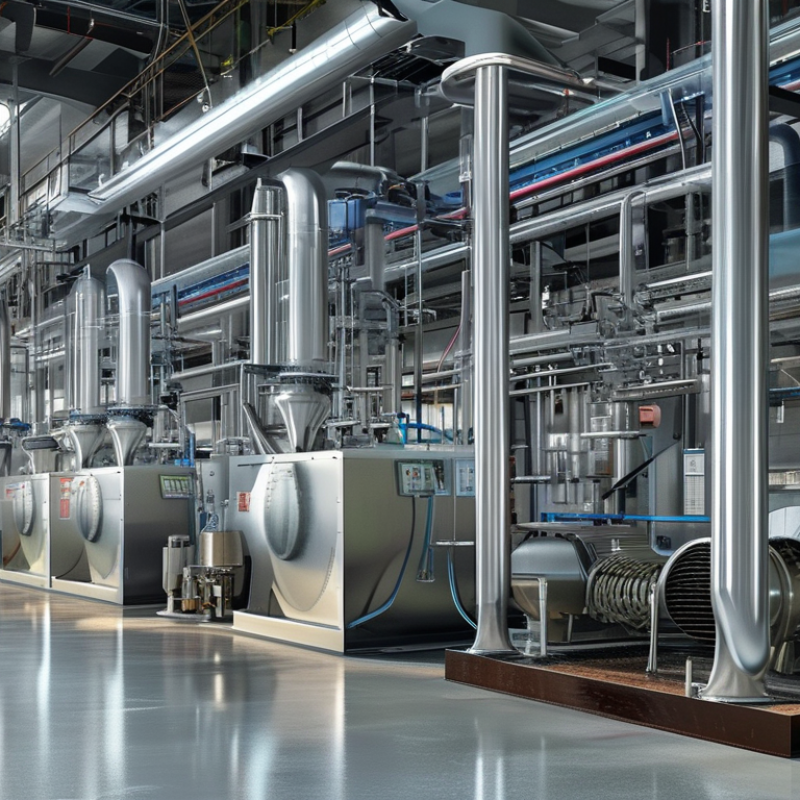
Overview of Dry Screw Vacuum Pumps and Their Functionality
Dry screw vacuum pumps are essential for many industrial applications. They operate without oil, significantly reducing contamination risks. This feature is crucial in industries like food processing and pharmaceuticals, where purity is paramount. The technology uses two intermeshing screws to create vacuum pressure. They effectively manage gas flow, providing a stable and efficient operation.
One notable advantage is the pumps' ability to handle vapor and gas mixtures. This flexibility allows industries to adapt to varying conditions, improving overall productivity. However, the initial investment can be higher than other vacuum solutions. Users must weigh long-term savings against upfront costs. Maintenance is another consideration; while these pumps require less frequent servicing, any repairs can be complex and costly.
Moreover, energy efficiency is an appealing aspect. Many modern dry screw pumps are designed to consume less power, lowering operational costs. However, users should be aware that performance can fluctuate based on environmental factors. These pumps thrive in clean and controlled settings but may struggle in harsh environments. Understanding these limitations is vital for making informed decisions.
What Are the Benefits of Dry Screw Vacuum Pumps for Industry?
| Benefit | Description | Applications |
| High Efficiency | Dry screw vacuum pumps offer high performance and energy efficiency compared to traditional pumps. | Food processing, Pharmaceuticals |
| Low Maintenance | These pumps have fewer moving parts, leading to reduced maintenance needs and longer operational life. | Semiconductor manufacturing, Vacuum drying |
| Environmental Benefits | They produce no oil mist and require less energy, thus contributing to lower carbon emissions. | Chemical processing, Woodworking |
| Operational Flexibility | Can handle a wide range of process conditions and capacities, making them adaptable for various applications. | Plastics, Packaging |
| Compact Design | Their sleek design enables easy installation in limited spaces. | Laboratories, R&D facilities |
Key Advantages of Using Dry Screw Vacuum Pumps in Industrial Settings
Dry screw vacuum pumps are becoming increasingly popular in industrial settings. These pumps are known for their efficiency and reliability. They work without oil, which reduces the risk of contamination in processes. This is especially important in industries such as food processing and pharmaceuticals. The absence of oil also leads to lower maintenance costs. Users often notice decreased downtime, allowing for more continuous operation.
Tips: Regular maintenance can enhance the lifespan of dry screw vacuum pumps. Schedule periodic inspections to catch issues early. Keeping the surrounding area clean is also vital for optimal performance.
Another advantage is their energy efficiency. Dry screw vacuum pumps typically consume less power compared to other types. This not only cuts costs but also reduces the carbon footprint of the operation. Many facilities prioritize using energy-efficient equipment as part of their sustainability goals. However, organizations must not overlook the importance of precise sizing and installation. Improper sizing can lead to inefficiencies.
Tips: Invest time in training staff on proper operating procedures. This ensures the pumps perform at their best. Encourage feedback from operators to identify areas for improvement.
Benefits of Dry Screw Vacuum Pumps in Industry
Environmental Benefits of Dry Screw Vacuum Pumps Compared to Other Types
Dry screw vacuum pumps offer significant environmental benefits in industrial applications. They operate without oil, which greatly reduces the risk of contamination. This cleanliness is crucial for industries that demand high standards, such as pharmaceuticals and food production. The absence of oil means less waste, leading to lower disposal costs and a smaller ecological footprint.
Additionally, these pumps are known for their efficiency. They consume less energy compared to traditional vacuum systems. This not only reduces operating costs but also lowers greenhouse gas emissions. By choosing dry screw technology, businesses can contribute to sustainability efforts. However, achieving optimal performance may require initial adjustments in processes.
While dry screw vacuum pumps have notable advantages, they might not suit every application. Some users express concerns about maintenance needs. Regular checks are essential to ensure longevity. Balancing efficiency with upkeep can be a challenge. Despite this, many industries recognize the long-term environmental gains as a worthwhile investment.
Applications of Dry Screw Vacuum Pumps Across Various Industries
Dry screw vacuum pumps play a crucial role across multiple industries. Their applications range from food packaging to pharmaceuticals. In the food industry, these pumps help maintain product freshness by removing air from packaging. This process extends shelf life, preventing spoilage. Research indicates that vacuum packaging can increase shelf life by up to 300%.
In the pharmaceutical sector, dry screw vacuum pumps ensure a contamination-free environment. They are used in processes like freeze-drying and filling vials. Contaminants can compromise drug quality, making vacuum integrity essential. A study revealed that maintaining low levels of residual oxygen can enhance drug stability significantly.
Moreover, these pumps contribute to energy efficiency in industrial processes. They consume less power compared to oil-sealed pumps, resulting in lower operational costs. However, the initial investment can be high. Companies must weigh long-term savings against upfront expenses. This aspect requires careful consideration.
Economic Considerations: Cost Efficiency and Maintenance of Dry Screw Pumps
Dry screw vacuum pumps are gaining traction in industrial applications due to their cost efficiency and low maintenance requirements. The economic benefits are significant. According to a recent industry report, maintenance costs can account for up to 30% of operational budgets in vacuum systems. Dry screw pumps reduce these costs significantly with a design that minimizes wear and tear. This translates to fewer service interruptions and lower overall expenditures.
Tips: Regular checks can enhance performance. Keeping components clean boosts system efficiency. Schedule maintenance periodically to catch potential issues early.
Furthermore, the longevity of dry screw pumps is another critical factor. Data shows that these pumps can operate for more than 30,000 hours with proper care. This durability offsets initial investment costs and can lead to substantial savings over time. However, it's essential to consider the upfront capital outlay carefully. A pump that seems expensive may offer superior reliability and lower operating costs in the long run.
Tips: Analyze your production needs before purchase. Assess long-term savings versus initial costs. Choosing the right pump is crucial for lasting efficiency.