What is a 1 hp Well Pump and How Does it Work?
A 1 hp well pump is an essential tool for many rural homes. It provides a reliable water supply from underground sources. These pumps play a critical role in ensuring a household’s water needs are met.
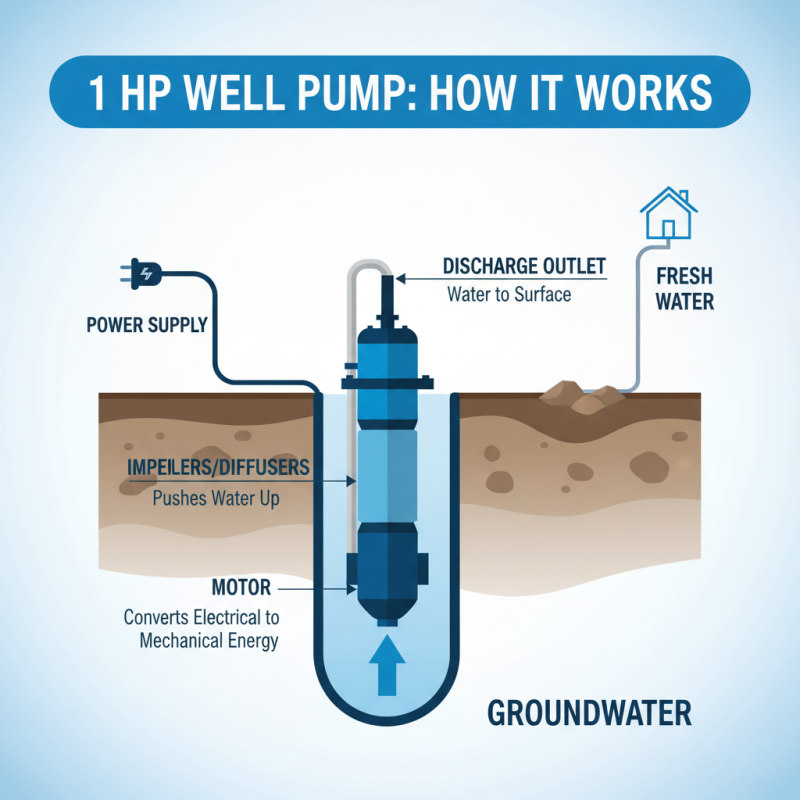
Understanding how a 1 hp well pump works is vital. The pump operates by drawing water from a well and pushing it to the surface. It uses a motor to create suction, which pulls water through pipes. This process is simple yet effective. However, it requires maintenance to function optimally. Small issues can lead to major problems.
Choosing the right pump can be challenging. Factors like well depth and water demand come into play. It is crucial to reflect on the specific needs of your household. Making the wrong choice can lead to inefficiencies. A 1 hp well pump might not meet your needs if overestimated. Understanding these nuances helps in making informed decisions.
Definition and Purpose of a 1 HP Well Pump
A 1 hp well pump is designed to extract water from underground sources. Its primary purpose is to supply water for residential or agricultural use. The "hp" stands for horsepower, indicating the power of the motor. A 1 hp pump can move a substantial amount of water, ideal for small homes or farms.
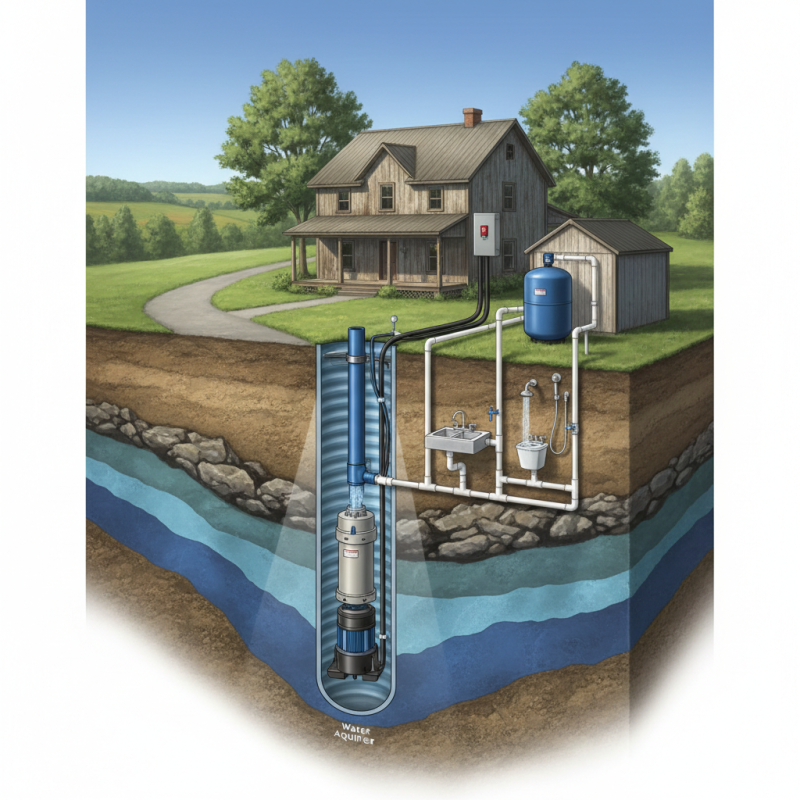
These pumps operate by creating a vacuum that draws water up from the ground. They often work in conjunction with a pressure tank, which helps maintain consistent water pressure. It's crucial to consider the well depth and water quality when selecting a pump. Not all wells can accommodate a 1 hp pump efficiently.
Maintenance is vital. Regular checks can prevent breakdowns. Users often overlook small signs of wear. Ignoring these can lead to costly repairs. It's important to stay attentive to any unusual sounds or drops in pressure. This proactive approach can save time and money in the long run.
How a 1 HP Well Pump Operates: The Pumping Process
A 1 hp well pump draws water from underground sources. It is commonly used for residential projects and agricultural needs. This pump works through a series of components that create a vacuum. Water is drawn up through the well and into the pump system.
The pumping process begins with the activation of the motor. This motor powers the impeller, which creates movement in the water. As the impeller spins, it increases the water pressure. According to industry reports, a 1 hp pump can deliver around 10 to 15 gallons per minute. This flow rate is suitable for general household use.
However, not all installations work perfectly. Issues with well depth or water quality can arise. Some users report inconsistent water flow. Others notice sediment buildup affecting efficiency. Each situation presents challenges that require evaluation. Understanding the pump's limitations is vital for optimal operation.
Factors Affecting the Efficiency of a 1 HP Well Pump
A 1 hp well pump serves as a key device for residential water supply. Its efficiency greatly relies on several factors, including water depth and quality of components. For instance, the depth of the water source significantly impacts the pump’s ability to draw water. A report from the Water Systems Council indicates that a pump operating at a depth of 25 feet operates more efficiently than one that draws from 100 feet.
Another significant factor is the type of motor used. Most 1 hp well pumps utilize either a submersible or a jet motor system. Submersible pumps generally perform better in deep wells compared to jet pumps, which can struggle in sandy or muddy conditions. The efficiency of a 1 hp pump can also decrease if it encounters low-quality wiring, resulting in energy losses. According to the U.S. Department of Energy, poor wiring can reduce the pump's efficiency by up to 10%.
Finally, maintenance plays a crucial role. Regular inspections can help identify wear and tear, which may affect performance. Failing to address these issues can lead to a decrease in water flow, causing frustration for users. It's essential to rotate the components and check for blockages frequently. Ensuring optimal performance requires consistent effort. Efficiency isn't a one-time task; it demands ongoing attention to detail.
Maintenance Tips for Ensuring Longevity of a 1 HP Well Pump
A 1 hp well pump is essential for many homes. Proper maintenance is crucial for ensuring its longevity. According to industry reports, a well-maintained well pump can operate for over 15 years, while neglect can shorten that to just 5 years. Regular inspection of electrical connections can prevent overheating. This simple step often goes ignored.
Keep an eye on the pump's pressure settings. Pressure fluctuations can indicate larger issues. For instance, if the pressure drops too low, the pump may run continuously, leading to burnout. According to the Water Systems Council, about 40% of all well systems show signs of inadequate pressure management. This points to a need for awareness among homeowners.
Additionally, clean the pump’s intake screen regularly. Debris can hinder performance and reduce efficiency. Even a small blockage can decrease water flow significantly. In fact, a study by the National Ground Water Association found that 25% of homeowners fail to perform this critical maintenance task. It's a troubling statistic that underscores the importance of diligence in caring for well pumps.
What is a 1 hp Well Pump and How Does it Work? - Maintenance Tips for Ensuring Longevity of a 1 HP Well Pump
| Dimension |
Data |
| Power Rating |
1 Horsepower (HP) |
| Voltage |
230V |
| Flow Rate |
10-20 gallons per minute (GPM) |
| Depth Capability |
Up to 100 feet |
| Typical Applications |
Residential water supply, irrigation |
| Maintenance Tip 1 |
Regularly check and clean the well screen |
| Maintenance Tip 2 |
Inspect the pump for leaks annually |
| Maintenance Tip 3 |
Ensure proper electrical connections |
| Maintenance Tip 4 |
Test water quality periodically |
| Maintenance Tip 5 |
Perform regular voltage checks |